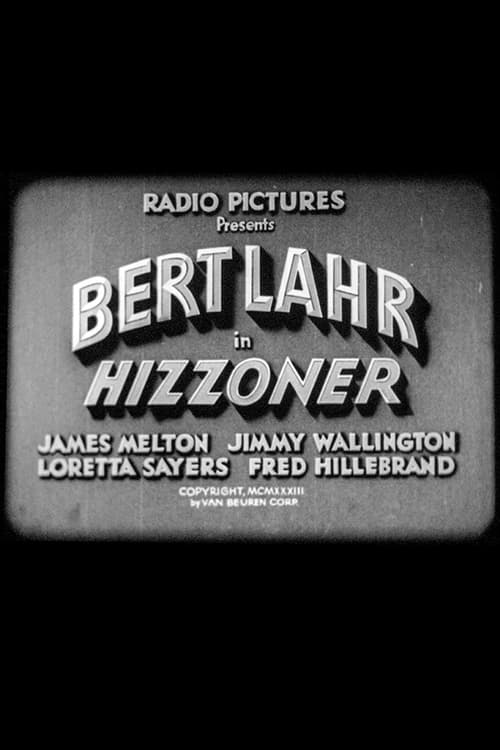
Hizzoner
1933
No user ratings available yet
Diversity score: 2.7 out of 10
1934
NRDirector
Ray McCarey
Runtime
19 minutes
Average Rating
No ratings yetSynopsis
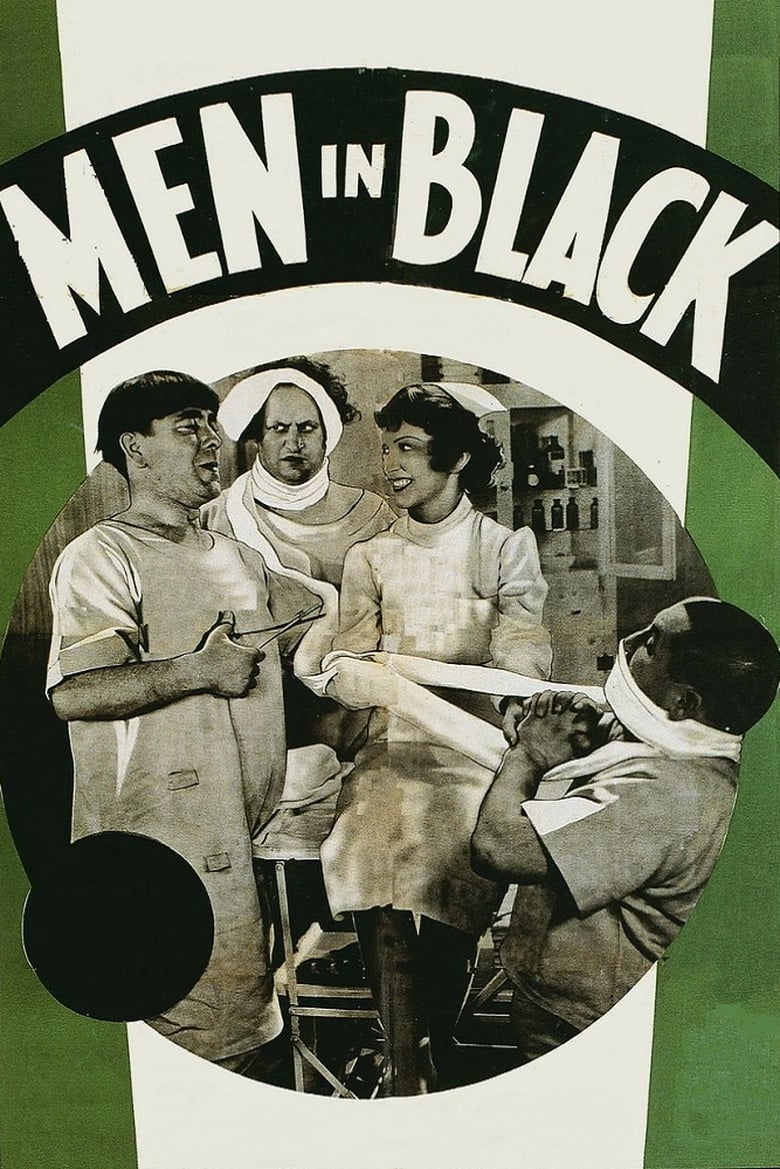
The stooges are three doctors who graduated medical school by being in it for too many years. They come across such problems as an overly chirpy nurse, a mental patient, and a combination to a safe swallowed by the hospital superintendent in the course of their attempt to get through the day.
Overall Score
Limited
Category Breakdown
LGBTQ+ Representation
The film lacks any evidence of LGBTQ+ characters or narratives. It operates within the standard heteronormative comedic tropes typical of the 1930s.
Gender Representation
The story centers on a male ensemble of doctors. Female presence is limited to a 'chirpy nurse,' suggesting a reliance on traditional, secondary gender archetypes.
Racial & Ethnic Diversity
The production reflects the homogeneous casting norms of 1934. There is no indication of diverse racial or ethnic representation within the cast.
Religious & Cultural Diversity
The comedy focuses on individual mishaps within a hospital setting. It lacks any significant cultural critique or exploration of diverse social identities.
Disability Representation
A mental patient is used as a comedic plot device. This suggests neurodivergence is treated as a tool for slapstick rather than a nuanced character study.
Strengths
Areas for Improvement
AI Analysis
This 1934 comedy is a product of its era, prioritizing physical slapstick and established archetypes over social depth. The narrative structure is heavily male-centric, focusing on the antics of three doctors within a hospital setting. The film relies on traditional tropes, such as using mental health for humor and relegating women to supportive, temperament-based roles. It lacks intersectional complexity or any disruption of the social hierarchies of the time. Ultimately, the work functions as a standard studio comedy that adheres to the homogeneous casting and narrative norms of early 20th-century Hollywood.
1933
1932

1939
1934
1943
1946
1945
1953
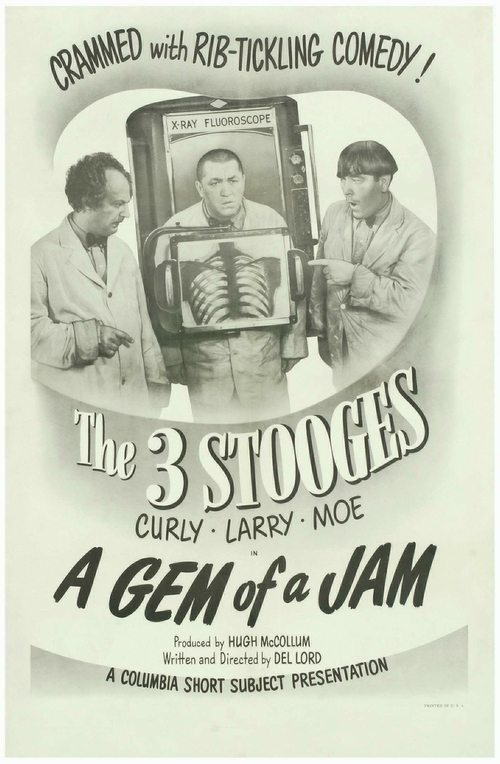
1943
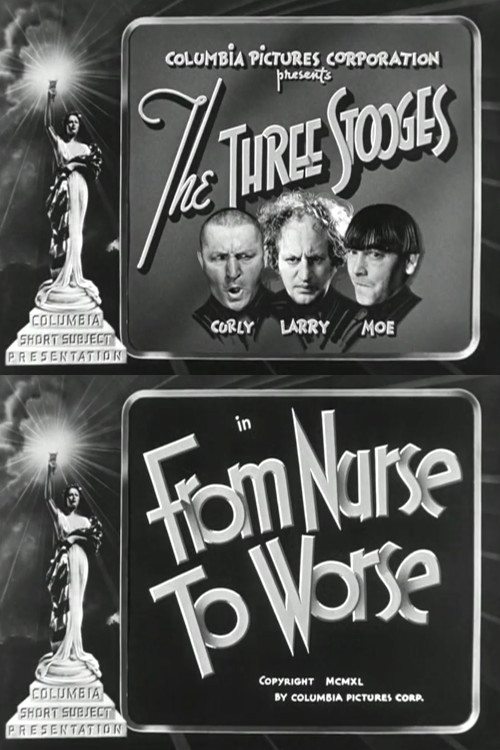
1940
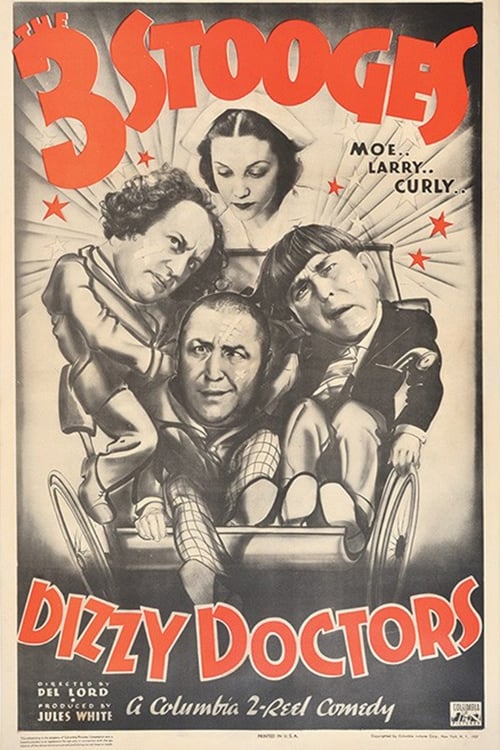
1937
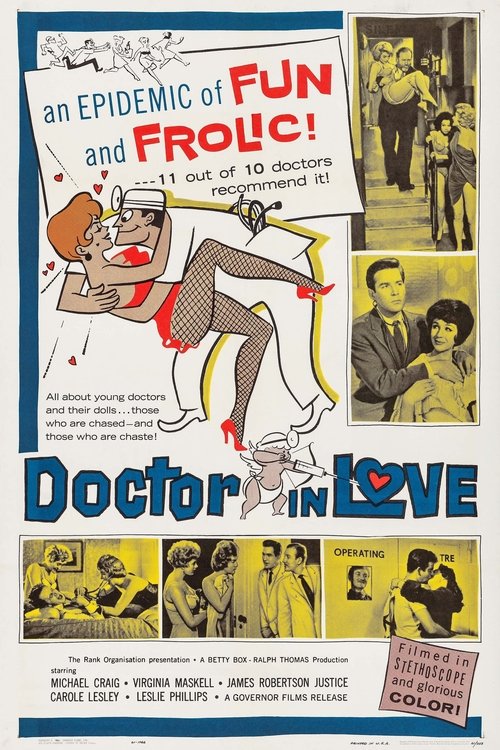
1960
No reviews yet. Be the first to share your thoughts on this movie!
Use the rating form above to leave a star rating and optional review.