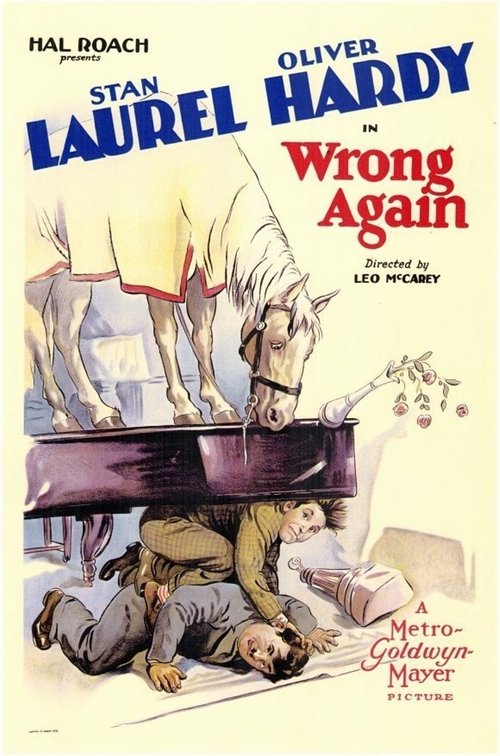
Wrong Again
1929
No user ratings available yet
Diversity score: 1.8 out of 10
1929
PassedDirector
Leo McCarey
Runtime
18 minutes
Average Rating
No ratings yetSynopsis
While changing clothes in a getaway car, escaped convicts Stan and Ollie mistakenly put on each other's pants. They spend the rest of the film trying to exchange pants in various unlikely settings.
Overall Score
Limited
Category Breakdown
LGBTQ+ Representation
The film lacks explicit depictions of LGBTQ+ identities. The comedic focus remains strictly on the mishap between the two male protagonists.
Gender Representation
This is a male-centric comedy centered on Stan and Ollie. It lacks female characters with agency to subvert traditional gendered power dynamics.
Racial & Ethnic Diversity
The cast appears homogeneous, reflecting the demographic norms of 1929 American slapstick. There is no evidence of diverse casting or racial blending.
Religious & Cultural Diversity
The narrative offers a moderate disruption of authority by framing the legal system as an obstacle. It uses chaos to challenge social decorum.
Disability Representation
No characters with visible or invisible disabilities are portrayed with agency. The humor relies on slapstick tropes and physical clumsiness.
Strengths
Areas for Improvement
AI Analysis
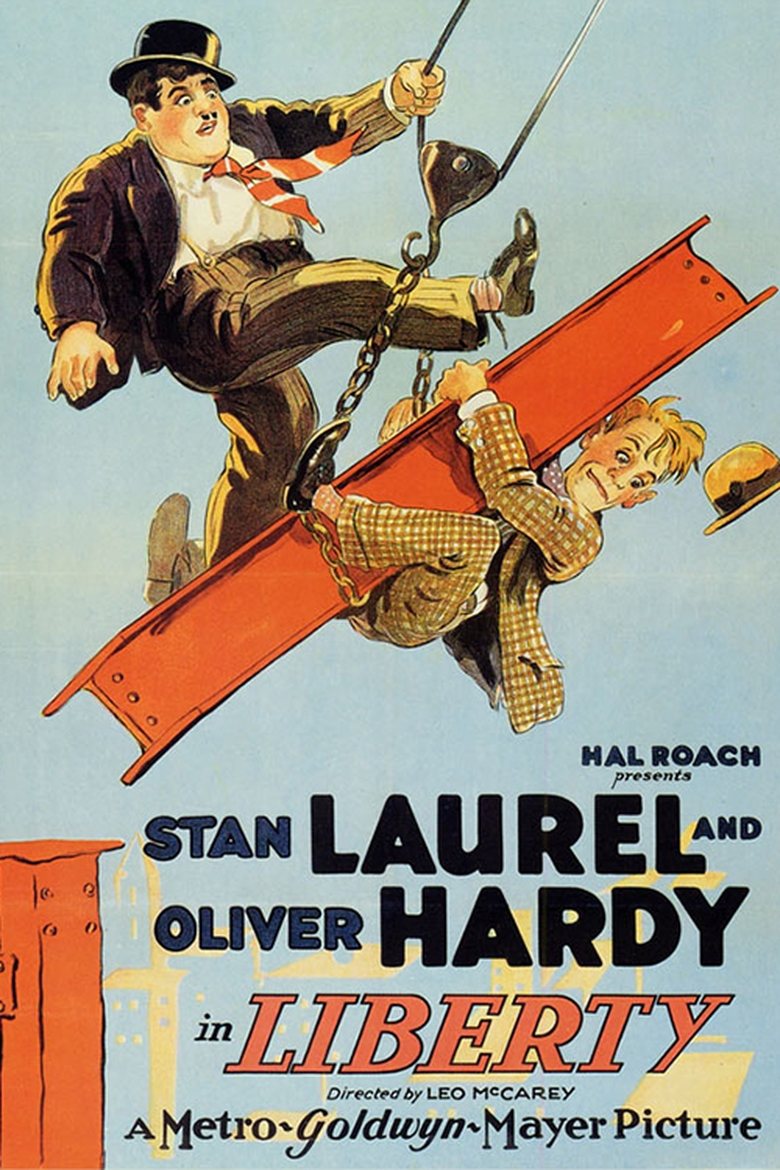
Liberty is a quintessential product of its era, focusing on the mechanics of physical comedy through a homogeneous lens. The narrative is driven entirely by the interaction between a two-man comedic duo, leaving little room for intersectional complexity. While the film provides a light disruption of social order by centering on escaped convicts, it does not engage in systemic critique. The humor is derived from situational absurdity rather than the subversion of identity hierarchies. Ultimately, the film adheres to the narrow demographic and social norms of early 20th-century cinema, lacking diverse representation across most categories.
1929
1926
1935
1927

1915
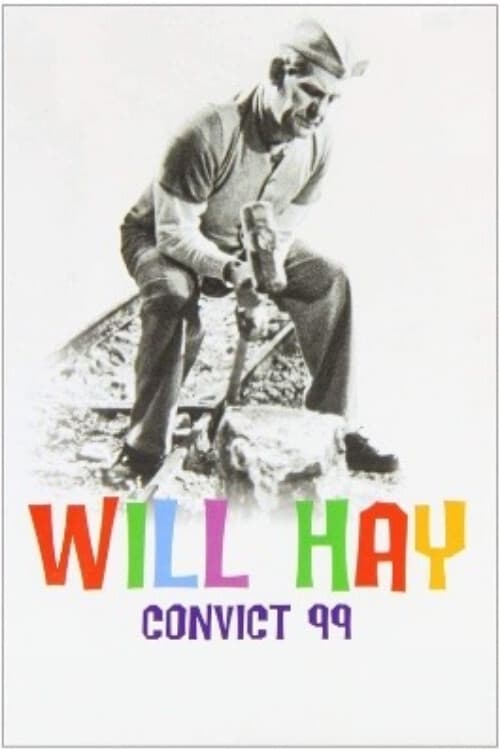
1938
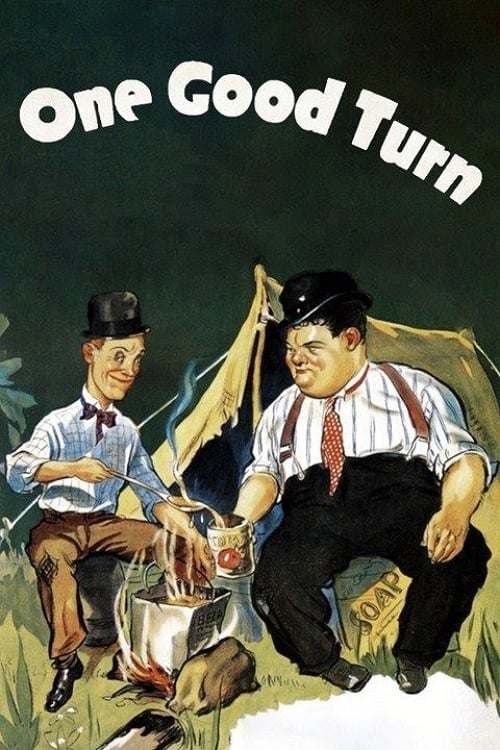
1931
1941
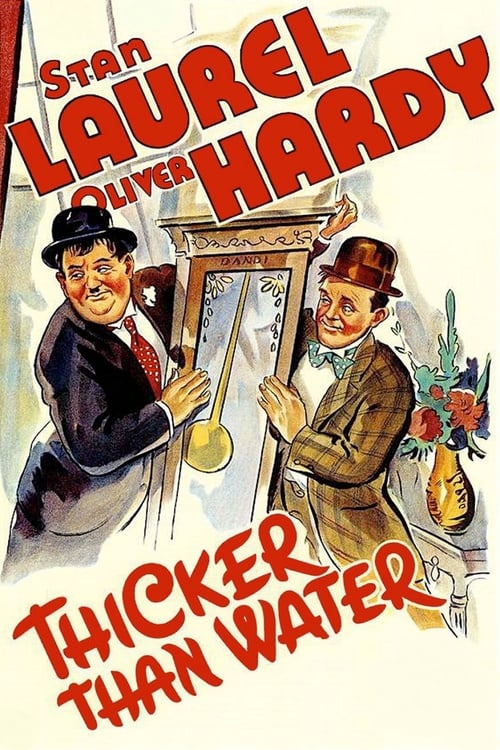
1935
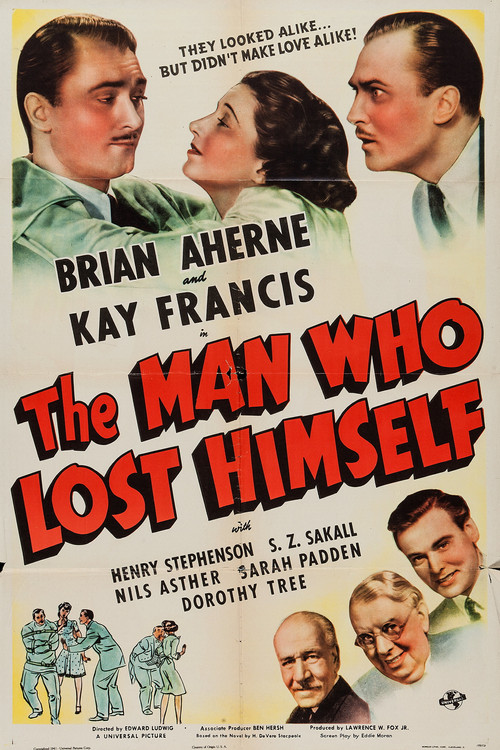
1941
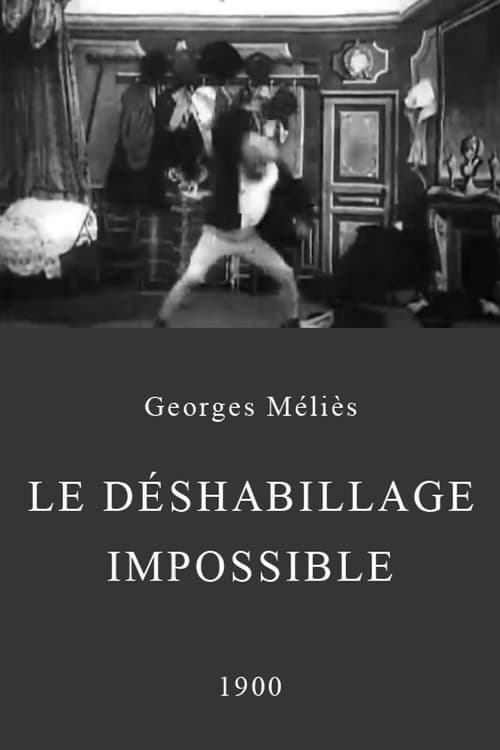
1900
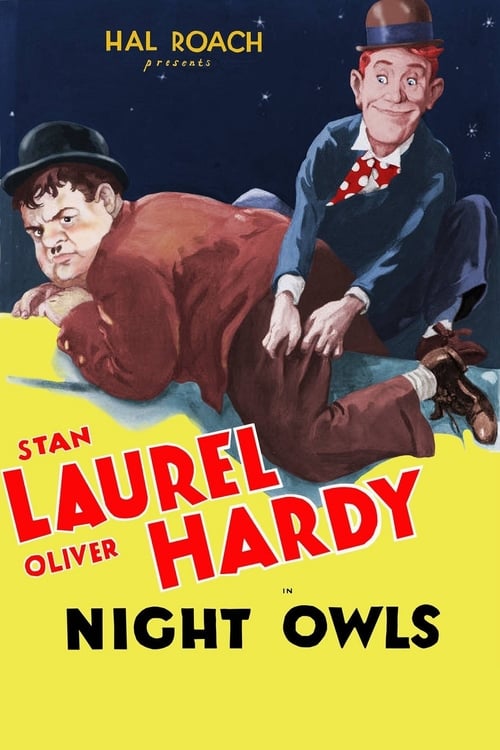
1930
No reviews yet. Be the first to share your thoughts on this movie!
Use the rating form above to leave a star rating and optional review.