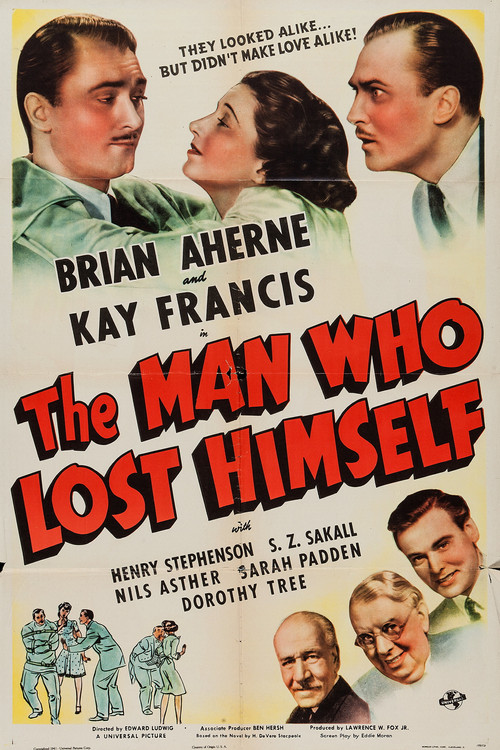
The Man Who Lost Himself
1941
No user ratings available yet
Representation score: 3.0 out of 10
Representation Score
Minimal
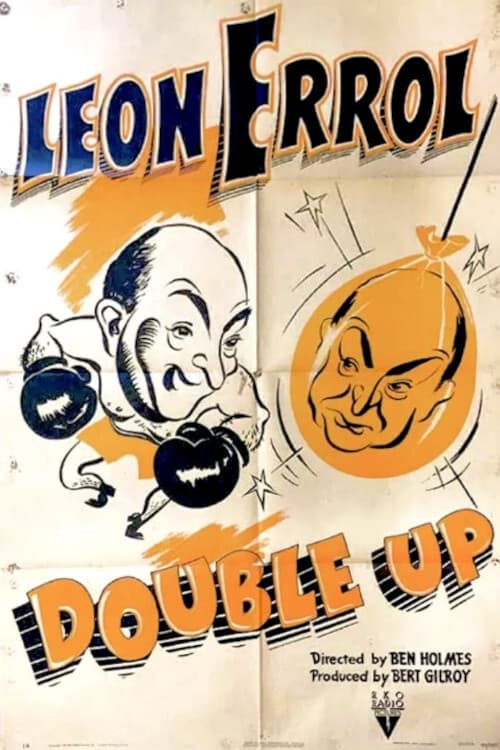
1943
ApprovedDirector
Ben Holmes
Runtime
18 minutes
Average Rating
No ratings yetNew Showbiz Analysis
Double Up is a character-driven comedy that emphasizes individualistic mischief over systemic critique. The premise of a man using a lookalike to lead a double life suggests a focus on escapism rather than identity-based exploration. Produced in 1943, the film adheres to the conventional social hierarchies and traditional narrative structures of the studio system. It functions as a period comedy that lacks the complexity needed to engage with multi-layered identities. Ultimately, the film serves as escapist entertainment. It does not attempt to disrupt established power dynamics or explore underrepresented experiences.
Category Breakdown
The film does not include any LGBTQ+ identities or same-sex relationships. The focus on social gatherings suggests a traditional narrative approach.
The plot revolves around Leon's male-driven deception. There is no indication of women playing significant roles or subverting traditional domestic hierarchies.
The film likely reflects the homogeneous casting standards of the early 1940s. It lacks details about a multi-ethnic or diverse cast.
The narrative supports standard social norms rather than challenging institutions. The themes focus on individual escapism rather than cultural deconstruction.
There is no mention of physical disabilities or neurodivergence within the character profiles. The story lacks representation in this area.
Present on Screen
Limited or Absent
Official Synopsis
Leon hires a lookalike to take his place at home every night while he goes out partying.
1941

1926
1942
1942
1942
1936
1926
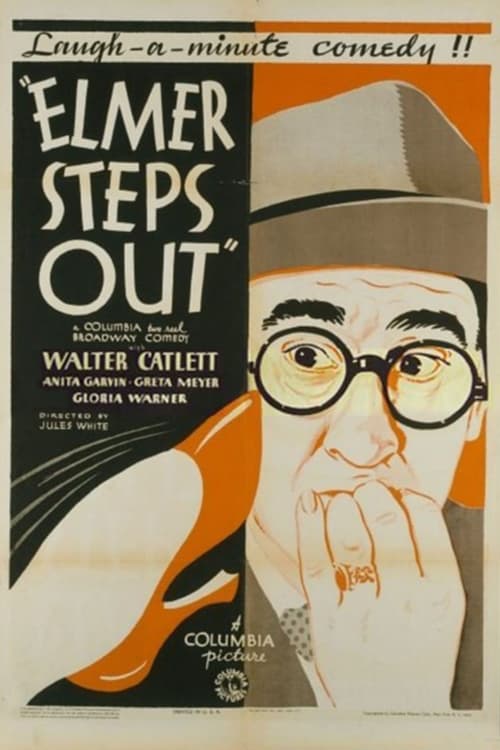
1934
No reviews yet. Be the first to share your thoughts on this movie!
Use the rating form above to leave a star rating and optional review.