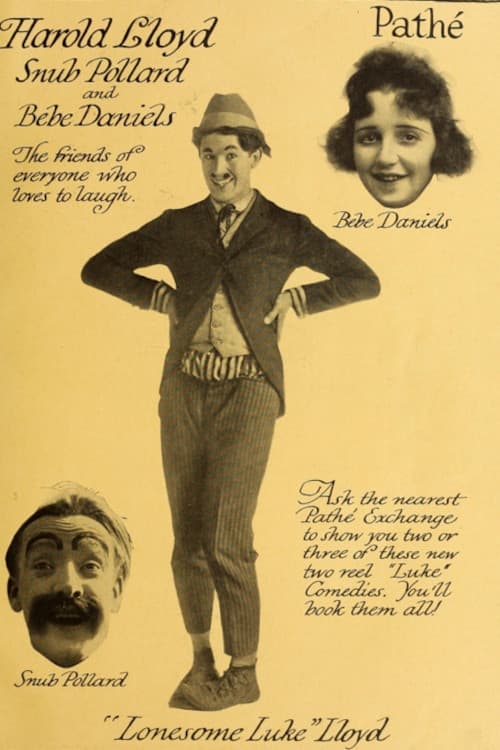
Luke's Movie Muddle
1916
No user ratings available yet
Diversity score: 2.1 out of 10
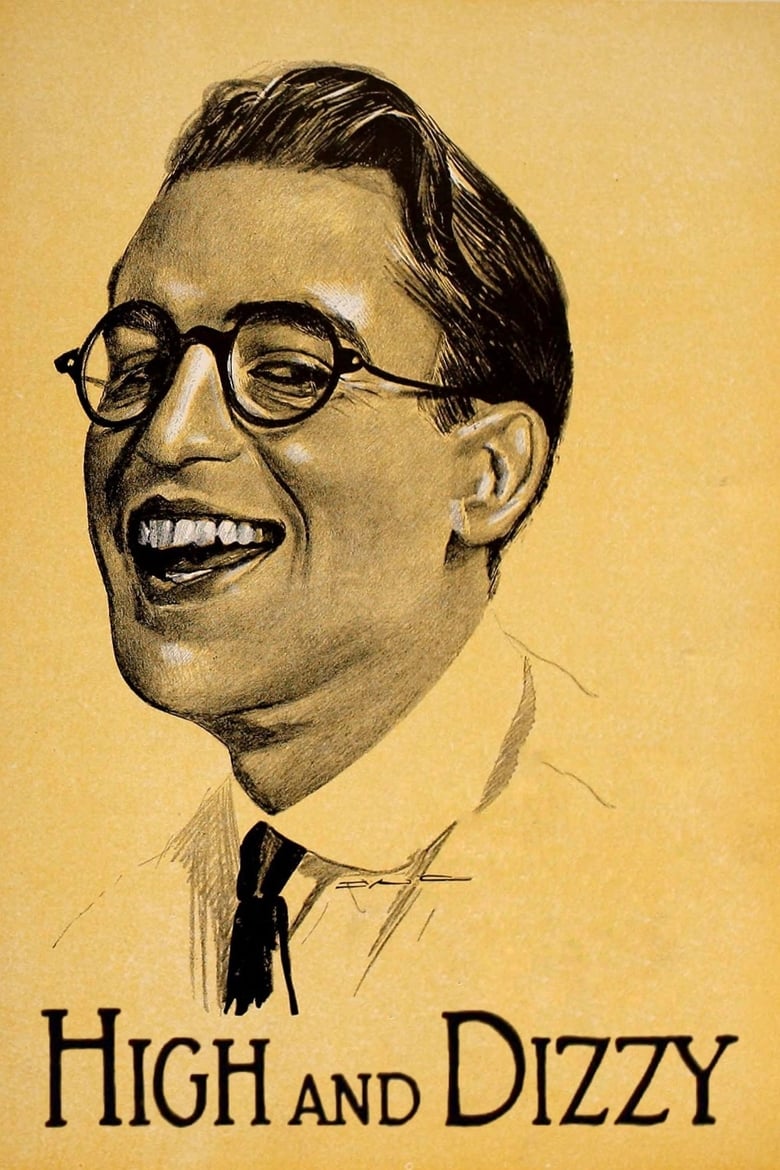
1920
NRDirector
Hal Roach
Runtime
26 minutes
Average Rating
No ratings yetSynopsis
A tipsy doctor encounters his patient sleepwalking on a building ledge, high above the street.
Overall Score
Limited
Category Breakdown
LGBTQ+ Representation
The film lacks any evidence of LGBTQ+ characters or narratives. It adheres to the standard comedic tropes of the 1920s, which offered no explicit queer visibility.
Gender Representation
The story centers on a tipsy doctor and a patient, prioritizing male-driven physical comedy. It does not appear to subvert traditional gender hierarchies or challenge systemic norms.
Racial & Ethnic Diversity
The film likely reflects the homogeneous casting standards of early 20th-century American cinema. There is no indication of a diverse ensemble or race-bent casting.
Religious & Cultural Diversity
The comedy focuses on professional absurdity rather than institutional critiques. It does not engage with anti-religious or anti-Western societal deconstructions.
Disability Representation
A sleepwalking patient drives the plot's tension. However, this physiological state serves as a comedic gag rather than a nuanced exploration of neurodivergence or agency.
Strengths
Areas for Improvement
AI Analysis
High and Dizzy is a product of its era, functioning as a traditional slapstick short. The narrative relies on physical mishaps and situational absurdity, such as an impaired doctor and a sleepwalking patient, rather than social commentary. The film lacks intentionality regarding intersectional representation. It operates within the established comedic frameworks of the silent era, focusing on gags rather than the subversion of systemic social hierarchies. Ultimately, the work adheres to the conventional demographic and narrative norms of 1920s cinema, offering little in the way of diverse perspectives or complex character agency.
1916

1921
1920
1919
1920
1919
1931
1935
1933
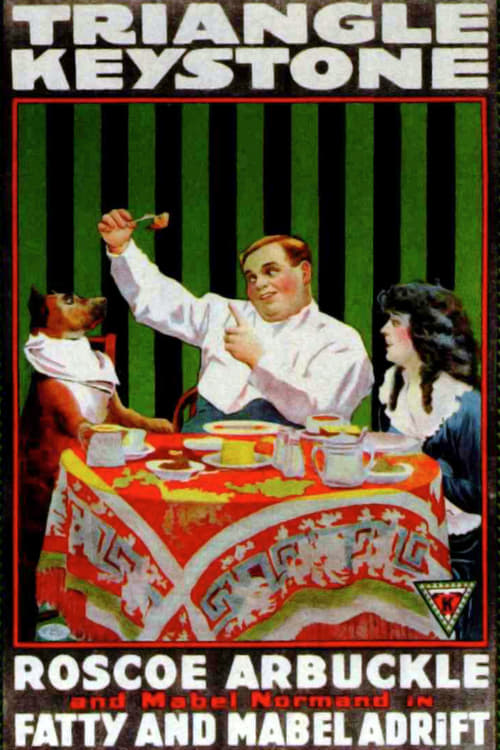
1916
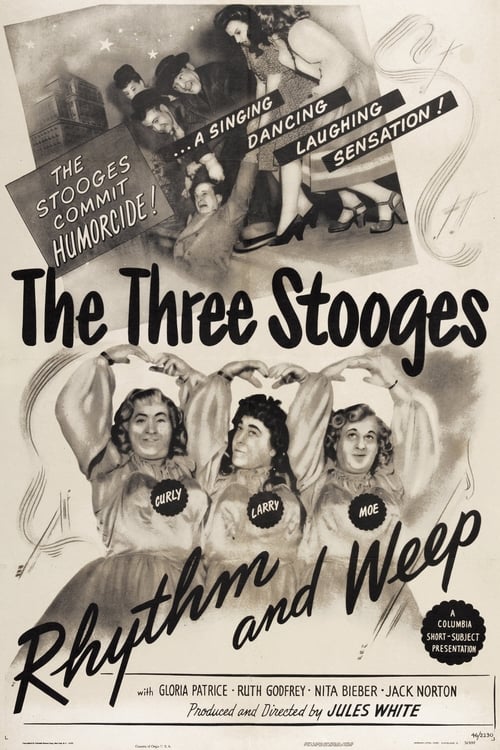
1946
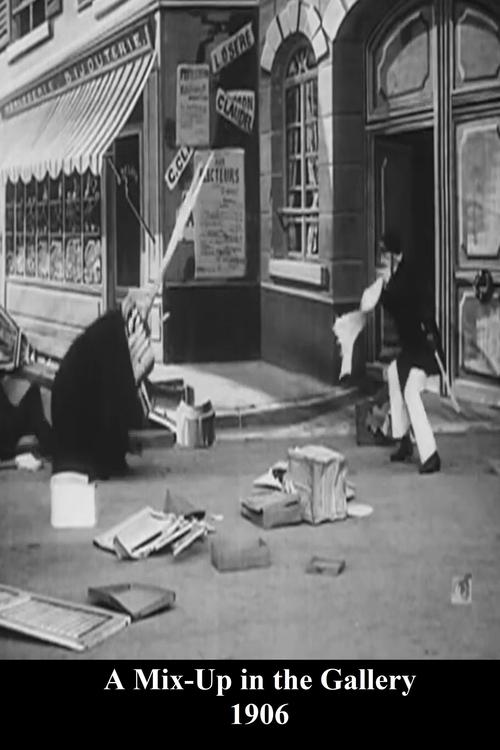
1906
No reviews yet. Be the first to share your thoughts on this movie!
Use the rating form above to leave a star rating and optional review.