Just Speeding
1936
No user ratings available yet
Representation score: 0.8 out of 10
Representation Score
Minimal
1932
PassedDirector
George Marshall
Runtime
19 minutes
Average Rating
No ratings yetNew Showbiz Analysis
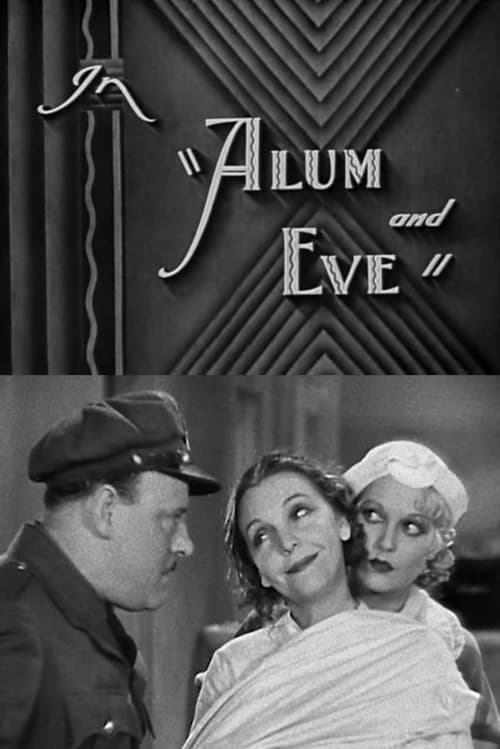
Alum and Eve operates as a conventional pre-Code comedy, relying on situational clichés rather than social disruption. While the female lead takes control through deception, the film remains grounded in the traditional hierarchies of its time. The narrative lacks meaningful representation for LGBTQ+ individuals or characters with disabilities. The presence of Zasu hints at potential diversity, but her role lacks the depth needed to confirm a non-Anglo-Saxon presence. Ultimately, the film adheres to the standard cinematic structures of the early 1930s, prioritizing comedic timing over the exploration of diverse identities or systemic critiques.
Category Breakdown
The film does not include any characters with LGBTQ+ identities. The narrative follows the social norms of the 1930s.
Thelma is a key character who uses her wit to navigate male-dominated legal structures. However, the film does not deeply challenge gender hierarchies.
Zasu is mentioned, but her specific racial identity is not confirmed. The film likely reflects the typical lack of diversity in early 1930s studio comedies.
The story uses a comedic cliché where characters evade legal authority. It does not provide a systemic critique of Western institutions or social values.
A hospital visit is used as a plot device to help a character escape. There is no indication of characters with disabilities having significant roles.
Present on Screen
Limited or Absent
Official Synopsis
When Thelma is stopped by a cop for speeding, she tries to get out of it by telling him that she and Zasu are on their way to the hospital.
1936
1933
1930
1945
1931
1922
1932
1936
No reviews yet. Be the first to share your thoughts on this movie!
Use the rating form above to leave a star rating and optional review.