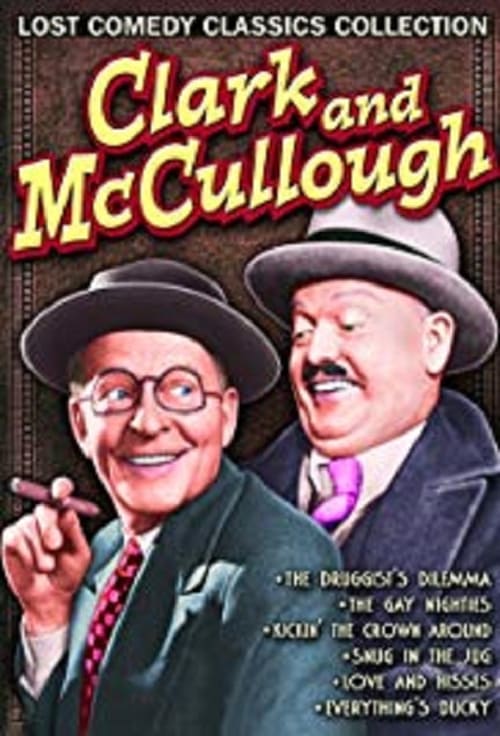
Everything's Ducky
1934
No user ratings available yet
Representation score: 1.1 out of 10
No Poster Available
Representation Score
Minimal
1935
ApprovedDirector
Ben Holmes
Runtime
19 minutes
Average Rating
No ratings yetNew Showbiz Analysis
Flying Down to Zero is a product of its time, adhering to the standard comedic featurette models of the mid-1930s. The narrative structure prioritizes slapstick humor and conventional social structures, reinforcing rather than challenging the established hierarchies of the era. The focus remains heavily on male-driven plots and Anglo-Saxon archetypes. This creates a narrow social lens that lacks intentional visibility for LGBTQ+ identities, diverse racial backgrounds, or systemic critiques of Western capitalism. Ultimately, the film functions as a standard comedic exploration of social deception. It relies on traditional character archetypes that reflect the demographic constraints of 1930s American cinema.
Category Breakdown
The film does not include any characters with non-traditional gender identities. It focuses on typical social interactions and comedic elements common during the era.
The story centers around male characters and their schemes, with no indication of strong or intellectually driven female characters.
The film likely features a predominantly white cast, typical of 1930s American comedy. There is no evidence of diverse casting or symbolic representations of diversity.
The story explores themes of capitalism and individual opportunism through an insurance scam. It operates within traditional moral frameworks of the 1930s, without critiquing Western institutions.
There is no mention of characters with visible or invisible disabilities. It remains unclear if neurodivergence or physical disability plays any role in the story.
Present on Screen
Limited or Absent
Official Synopsis
The boys try to snare an unsuspecting sucker in an insurance racket, in this riotous Clark and McCullough comedy featurette.
1934
1929
1934
1940
1934
1936
1931
1935
No reviews yet. Be the first to share your thoughts on this movie!
Use the rating form above to leave a star rating and optional review.