Be Big!
1931
No user ratings available yet
Diversity score: 2.2 out of 10
1935
NRDirector
James W. Horne
Runtime
21 minutes
Average Rating
No ratings yetSynopsis
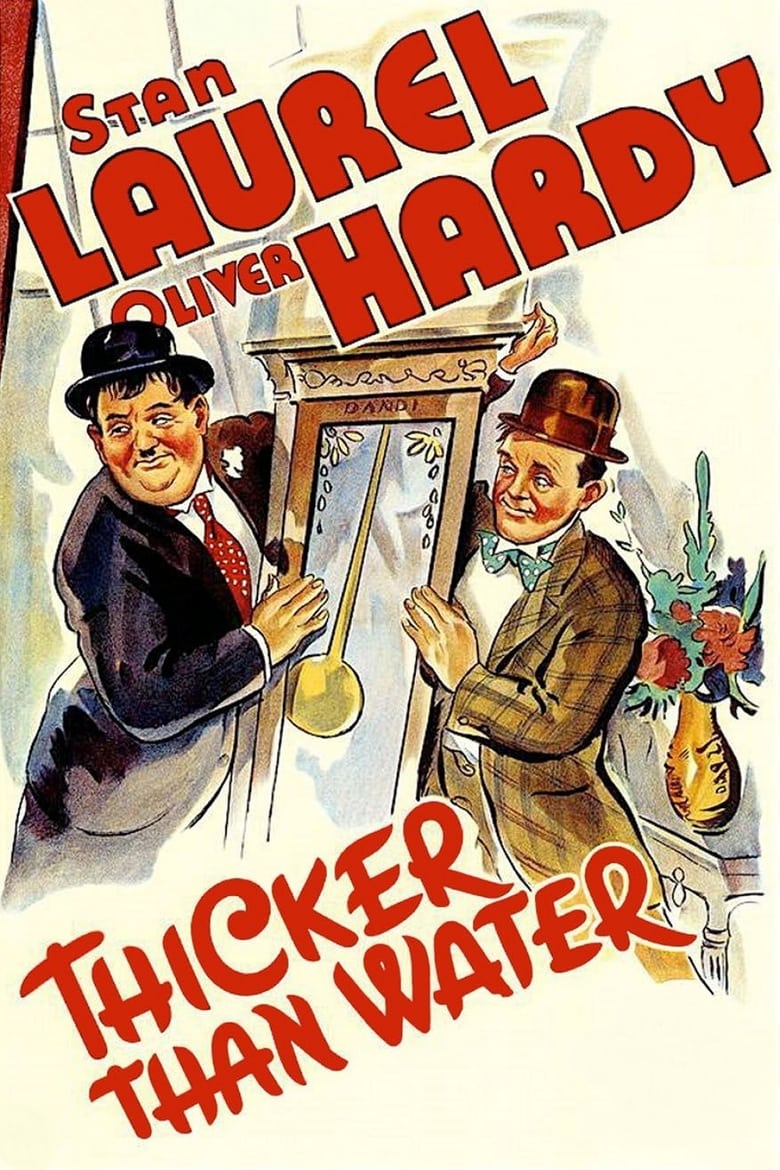
Oliver's in trouble with his wife after missing a payment on their furniture, having given the money to Stanley, who used it instead to pay Mrs. Hardy for his room and board. At Stan's suggestion Ollie then withdraws the couple's savings from the bank to pay for the furniture and inadvertently pays virtually the whole amount at an auction for a grandfather clock which is soon crushed under a passing truck. Mrs Hardy then unintentionally causes serious injuries to Ollie requiring him to be rushed to hospital for a blood transfusion. The doctor conscripts Stan to be the unwilling blood donor. Problems occur with the transfusion and when Stan and Ollie leave the hospital they appear to have morphed into each other.
Overall Score
Limited
Category Breakdown
LGBTQ+ Representation
The film lacks any depiction of LGBTQ+ identities or non-heteronormative gender expressions. Character dynamics focus exclusively on traditional domesticity and platonic male friendship.
Gender Representation
The plot relies on mid-century tropes of domestic friction. While female characters drive conflict through household management and marital reprimand, they remain within traditional gendered expectations.
Racial & Ethnic Diversity
The cast appears homogeneous, reflecting the demographic standards of 1935. There is no evidence of racial blending or the subversion of Anglo-Saxon casting norms.
Religious & Cultural Diversity
The narrative operates within traditional Western social structures, emphasizing financial responsibility and the domestic unit. It uses Western institutions as a backdrop for comedy without offering systemic critique.
Disability Representation
Physical injury and medical procedures serve as slapstick engines for the plot. These depictions function as farcical devices rather than meaningful explorations of disability or bodily autonomy.
Strengths
Areas for Improvement
AI Analysis
Thicker Than Water is a product of its 1935 historical context, prioritizing physical slapstick over social commentary. The narrative adheres to the demographic and social hierarchies of the era, offering little in the way of identity-based subversion. The film's reliance on traditional domestic roles and homogeneous casting results in a narrow perspective. While the comedy is driven by situational absurdity, it lacks intersectional depth or engagement with diverse lived experiences. Ultimately, the work functions as a standard genre piece of its time, reinforcing existing social norms rather than challenging them through its characterizations or themes.
1931
1931
1931
1931
1935
1971
1934
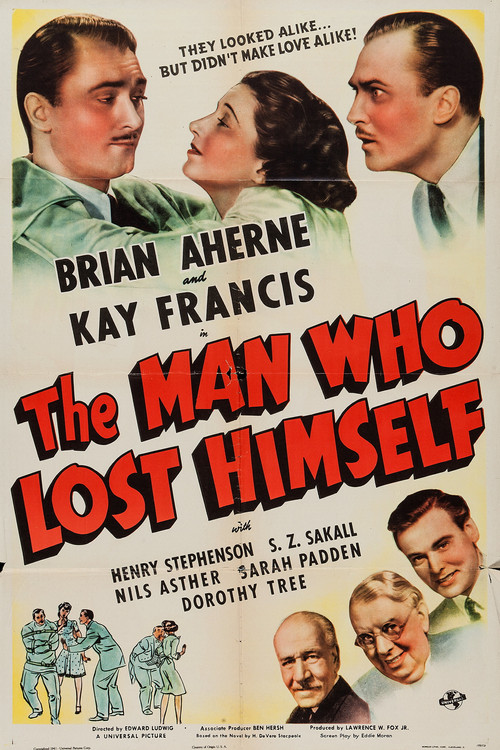
1941
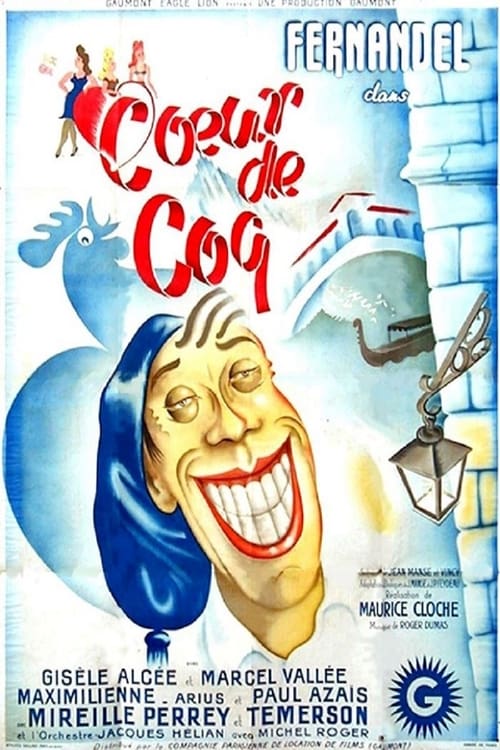
1946
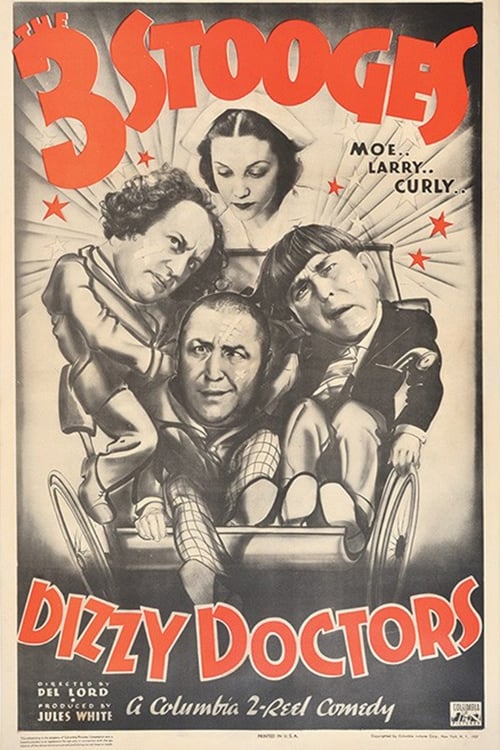
1937
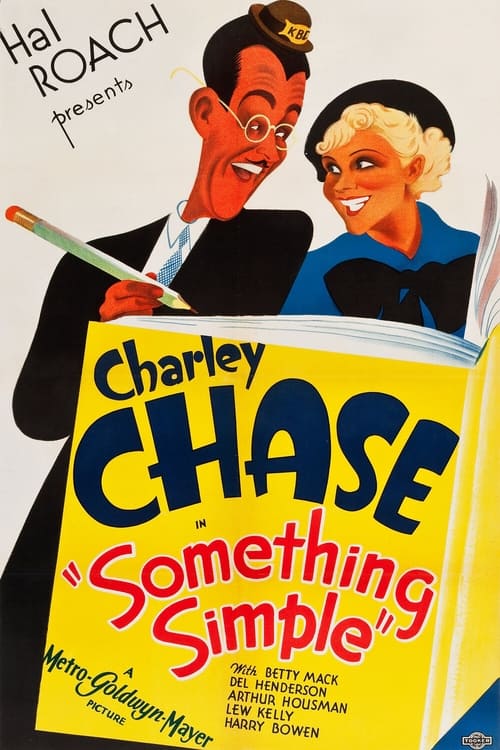
1934
1935
No reviews yet. Be the first to share your thoughts on this movie!
Use the rating form above to leave a star rating and optional review.