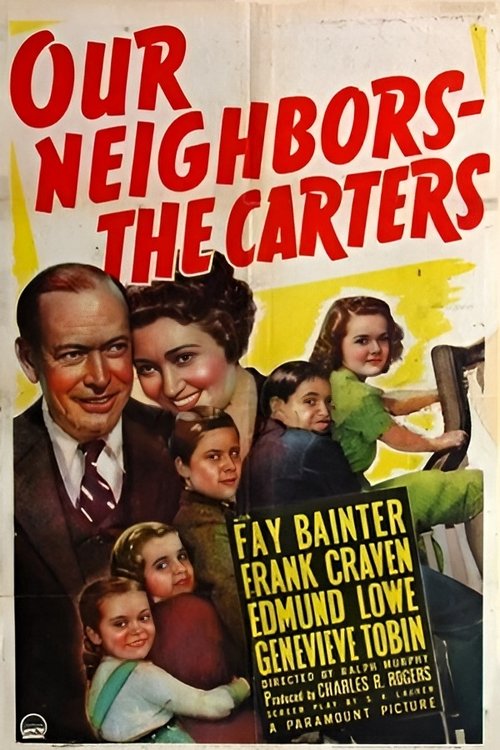
Our Neighbors - The Carters
1939
No user ratings available yet
Representation score: 1.4 out of 10
Representation Score
Minimal
1951
NRDirector
Arthur Pierson
Runtime
61 minutes
Average Rating
No ratings yetNew Showbiz Analysis
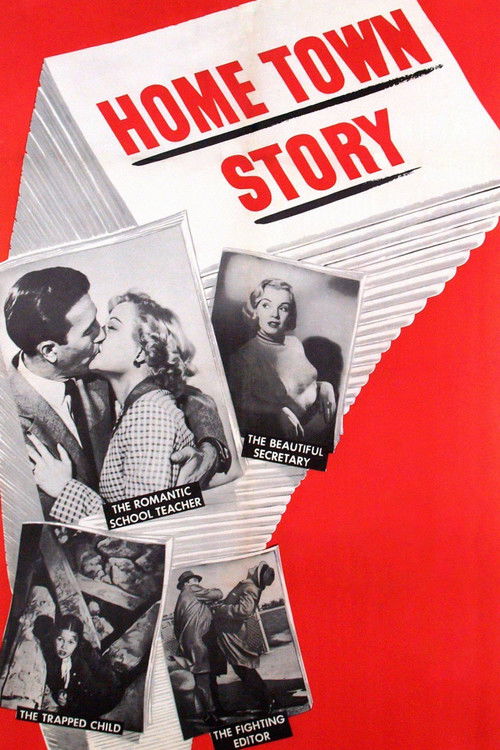
Home Town Story is a conventional mid-century drama that follows a standard narrative arc. The plot centers on a male protagonist's journey from political defeat to a journalistic crusade against big business. The film maintains the social hierarchies and demographic norms typical of 1951. It prioritizes a traditional moral trajectory, focusing on individual accountability and established social structures rather than subverting them. Overall, the production offers limited opportunities for multi-layered representation, functioning as a period-typical story with a narrow social scope.
Category Breakdown
The film focuses on a romantic relationship between the protagonist and Miss Martin. It adheres to the straight-centered social structures typical of 1951 cinema.
Blake Washburn drives the plot through his political and journalistic crusade. Miss Martin is a professional presence, but her role seems secondary to the central male conflict.
The setting reflects the homogeneous demographic norms of early 1950s American cinema. The narrative depicts a largely Anglo-Saxon social environment.
The story explores the tension between personal vendettas and civic responsibility. It moves toward traditional moral stability rather than critiquing Western institutions.
The narrative contains no mention of characters navigating physical or neurodivergent experiences.
Present on Screen
Limited or Absent
Official Synopsis
Blake Washburn blames manufacturer MacFarland for his defeat in the race for re-election to the state legislature. He takes over his uncle's newspaper to take on big business as an enemy of the people. Miss Martin works in the "Herald" newspaper office. When tragedy strikes, Blake must re-examine his views.
1939
1942
1934
1941
1936
1950
1915

1928
No reviews yet. Be the first to share your thoughts on this movie!
Use the rating form above to leave a star rating and optional review.