Hour of the Gun
1967
No user ratings available yet
Diversity score: 1.4 out of 10
1958
NRDirector
John Sturges
Runtime
86 minutes
Average Rating
No ratings yetSynopsis
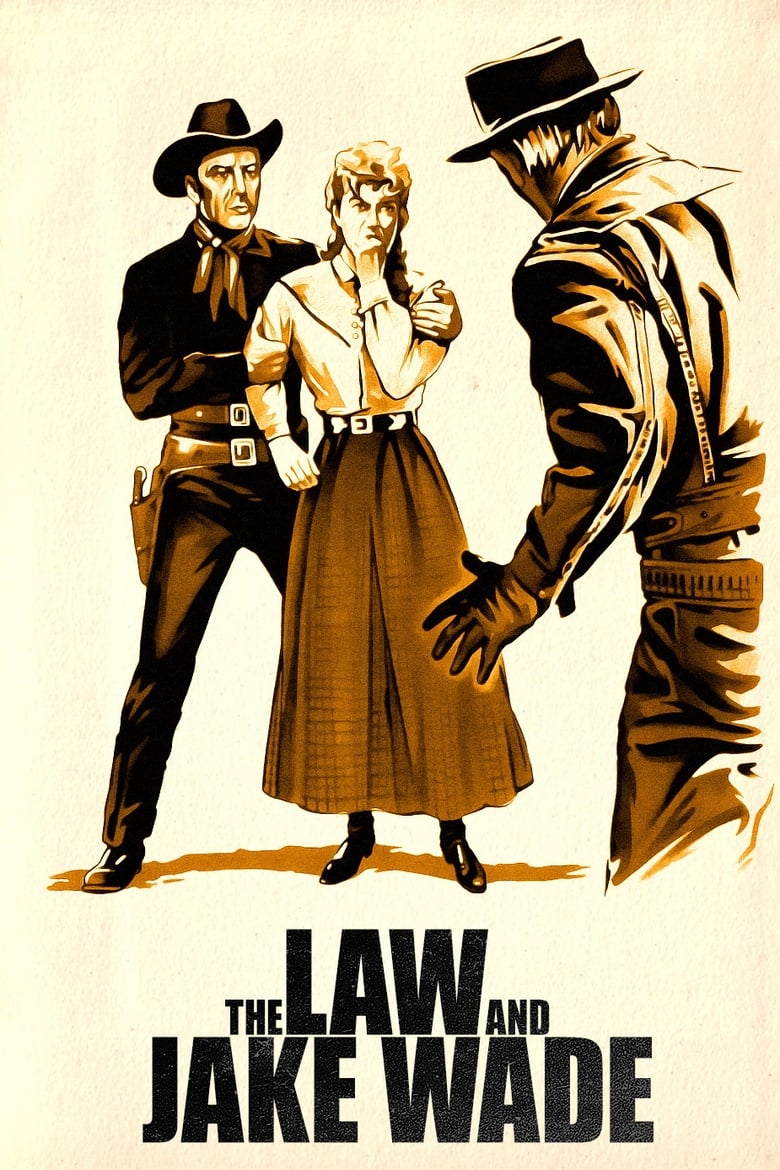
Jake Wade breaks Clint Hollister out of jail to pay off an old debt, though it's clear there is some pretty deep hostility between them. They part, and Jake returns to his small-town marshal's job and his fiancée only to find he has been tracked there by Hollister. It seems they were once in a gang together and Jake knows where the proceeds of a bank hold-up are hidden. Hollister and his sidekicks make off into the hills, taking along the trussed-up marshal and his kidnapped bride-to-be to force the lawman to show them where the loot is.
Overall Score
Limited
Category Breakdown
LGBTQ+ Representation
The film contains no depictions of non-cisnormative identities or same-sex intimacy. The social framework remains strictly heteronormative, focusing entirely on the protagonist's relationship with his fiancée.
Gender Representation
Female characters occupy the 'damsel in distress' archetype, serving primarily as catalysts for male action. The narrative prioritizes masculine competence, leaving the female lead with limited agency.
Racial & Ethnic Diversity
The ensemble is predominantly white, reflecting the historical homogeneity of the mid-century Western. The film does not engage with racial diversity or the complexities of a multi-ethnic frontier.
Religious & Cultural Diversity
The story operates within a traditional Western moral framework centered on frontier justice. It reinforces established institutions like the lawman as a stabilizing force for social order.
Disability Representation
There are no prominent depictions of visible or invisible disabilities. Characters are presented within the standard physical capacities expected of action-oriented genre protagonists.
Strengths
Areas for Improvement
AI Analysis
The Law and Jake Wade is a quintessential mid-century Western that prioritizes traditional social hierarchies and classical moral structures. It functions as a reinforcement of established cinematic norms rather than a disruption of them. The film lacks intersectional complexity, focusing instead on a singular, traditionalist perspective of justice and gender roles. The narrative architecture is designed to uphold the social status quo of the 1950s. Ultimately, the work presents a culturally monolithic environment that offers little engagement with diverse identities or non-traditional perspectives.
1967
1953
1947
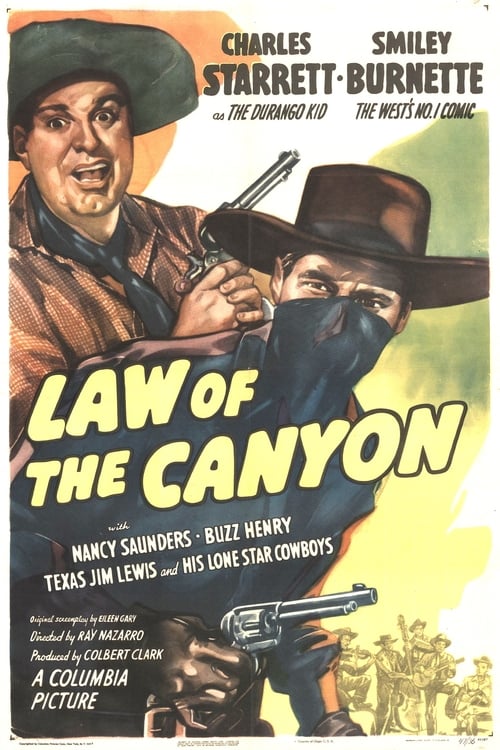
1947
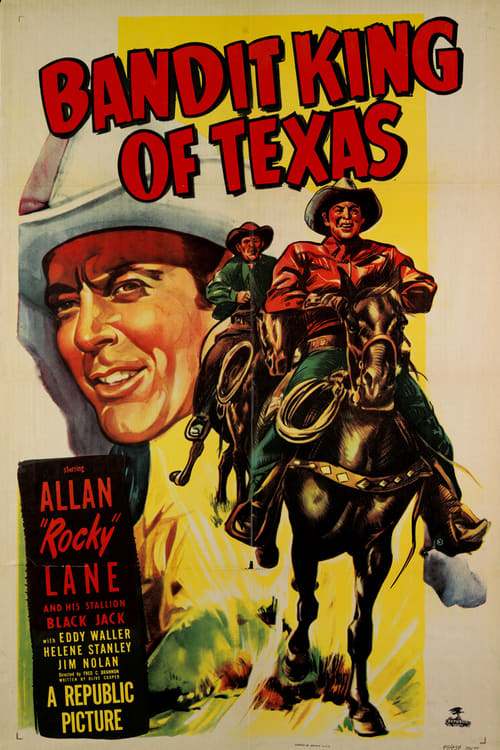
1949
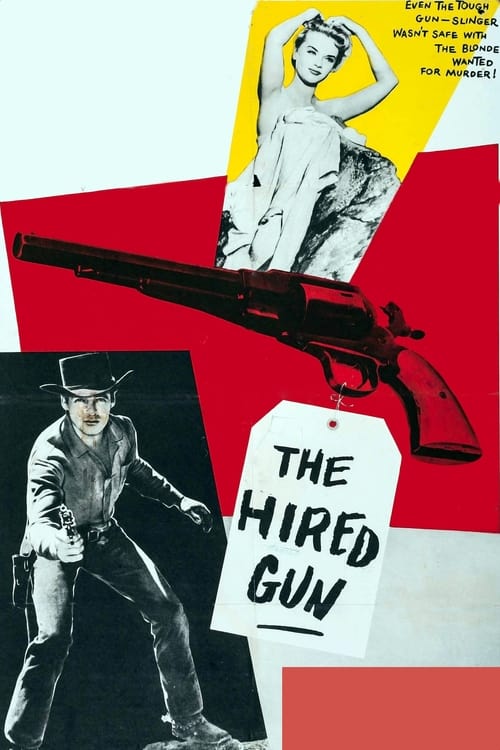
1957
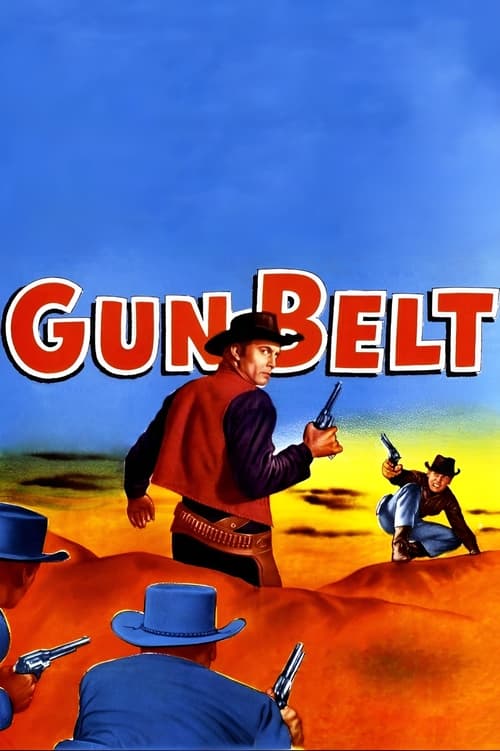
1953
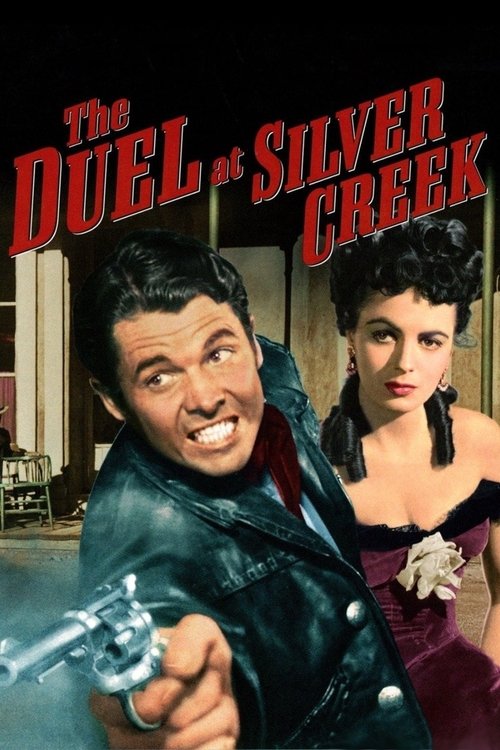
1952
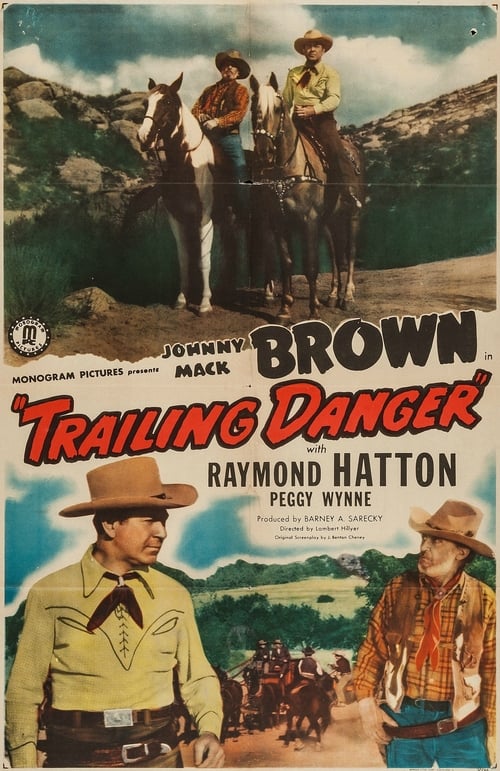
1947
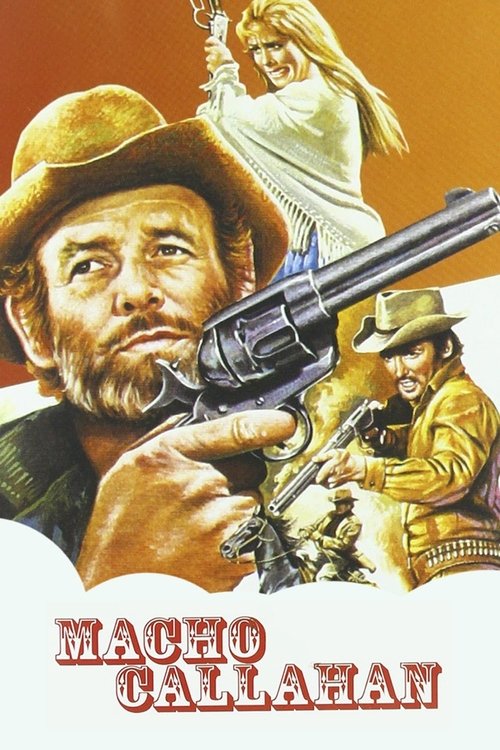
1970
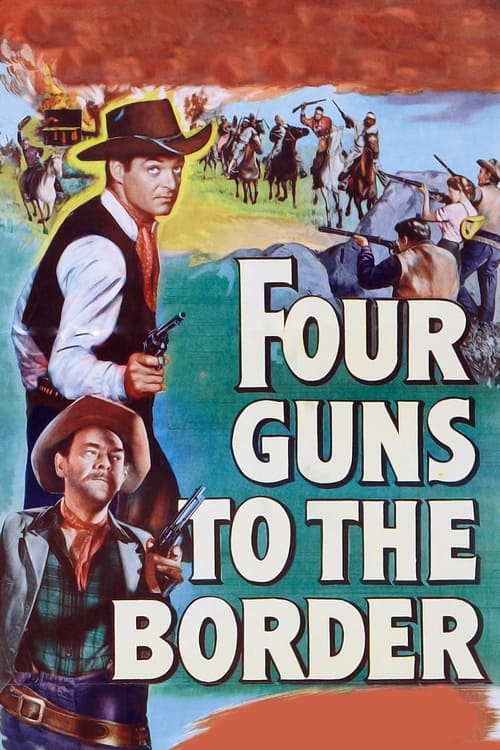
1954
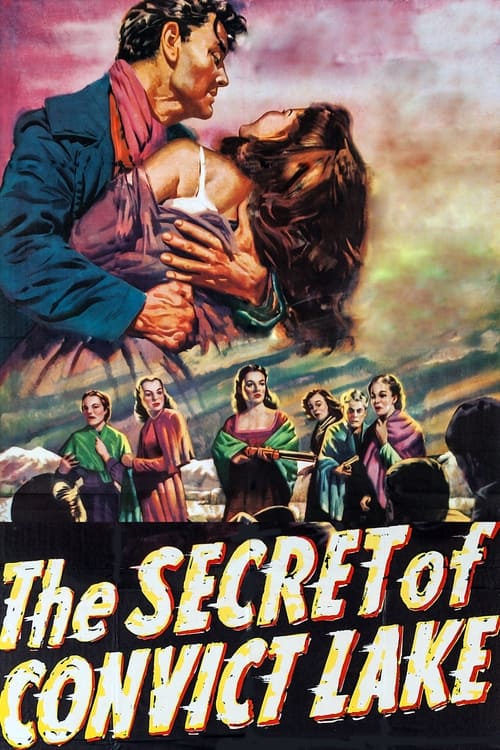
1951
No reviews yet. Be the first to share your thoughts on this movie!
Use the rating form above to leave a star rating and optional review.