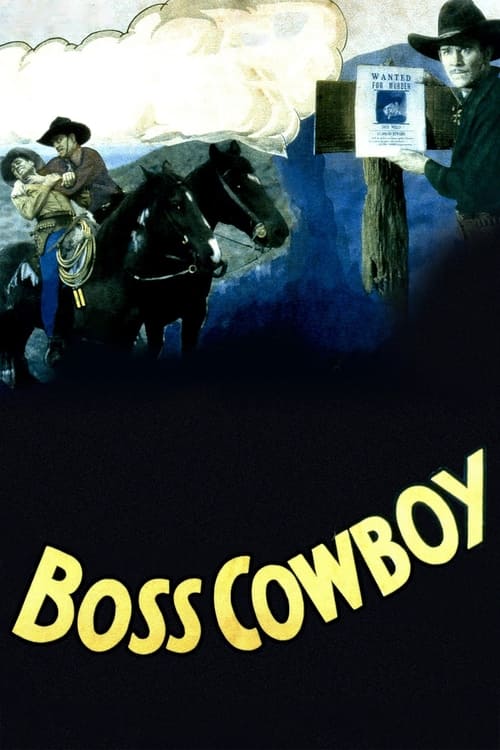
The Boss Cowboy
1934
No user ratings available yet
Representation score: 1.3 out of 10
No Poster Available
Representation Score
Minimal
1934
PassedDirector
Victor Adamson
Runtime
48 minutes
Average Rating
No ratings yetNew Showbiz Analysis
Lightning Bill is a traditional 1930s B-Western that sticks closely to genre conventions. The plot centers on property rights, debt, and frontier justice, reinforcing simple moral binaries rather than delving into social complexities. The film relies heavily on masculine archetypes to fuel the conflict between the protagonist and antagonist. This focus on ranching and cowhands leads to a lack of gender diversity and characters who reflect more than one aspect of diversity. Overall, Lightning Bill functions as a typical genre piece, reinforcing historical Western hierarchies without challenging prevailing norms.
Category Breakdown
The film does not depict any LGBTQ+ identities or same-sex relationships.
The story revolves around masculine roles such as ranchers and cowhands. Female characters have little influence in the main storyline.
The film likely reflects the predominantly white cast typical of Western films from the 1930s. No characters of color are given significant roles.
The plot follows traditional Western themes of property ownership and individual justice, upholding established norms without critique.
There are no characters with visible or invisible disabilities featured in the film.
Present on Screen
Limited or Absent
Official Synopsis
Landis kills Tom Ross but fails to get his money. Now he is after the Ross ranch for the money he knows is there. When he tries to evict Ross with gambling IOU's, Bill drives him away. With the Ross cowhands out after his rustlers, he finds the money. But Bill is right on his trail.
1934
1933
1937

1939
1934

1935
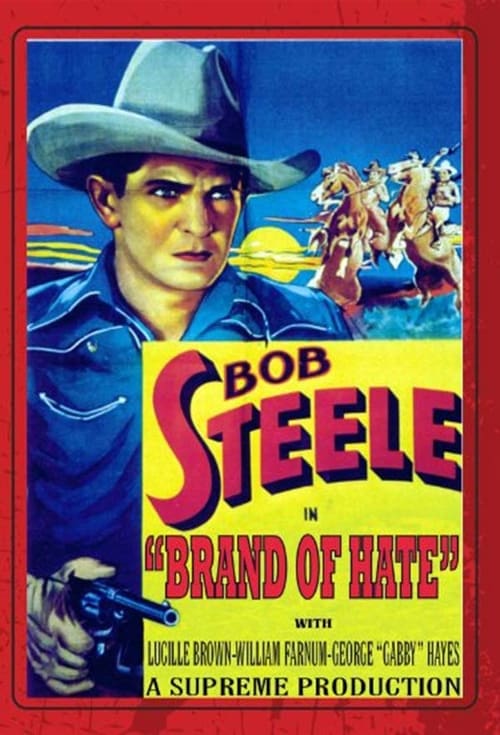
1934
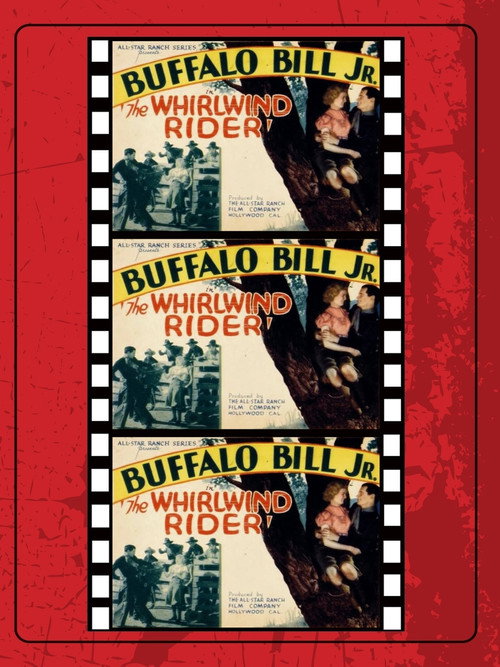
1934
No reviews yet. Be the first to share your thoughts on this movie!
Use the rating form above to leave a star rating and optional review.