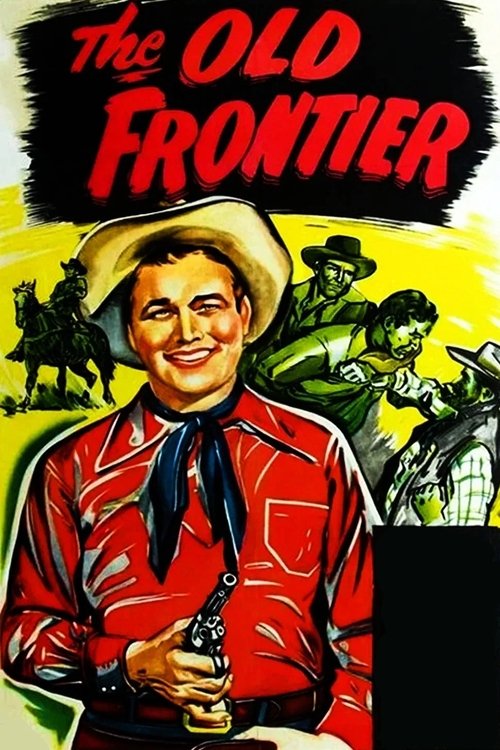
The Old Frontier
1950
No user ratings available yet
Representation score: 0.3 out of 10
Representation Score
Minimal
1949
ApprovedDirector
Philip Ford
Runtime
60 minutes
Average Rating
No ratings yetNew Showbiz Analysis
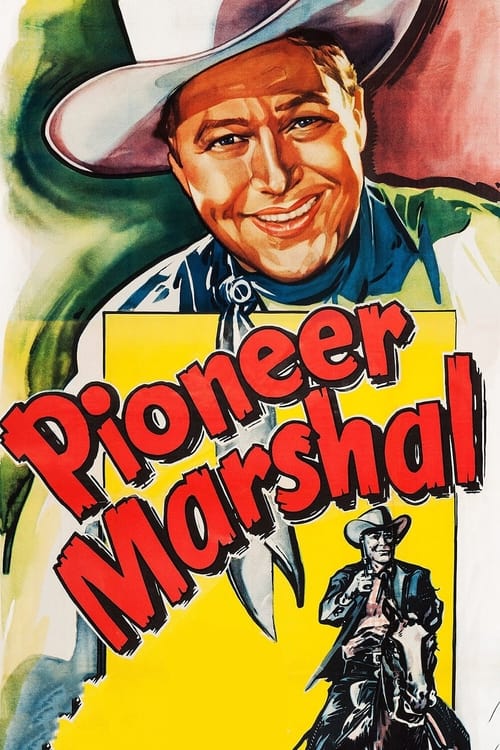
Pioneer Marshal is a quintessential mid-century B-Western that prioritizes established genre clichés over social complexity. The film functions to reinforce the traditional power dynamics of its era rather than disrupt them. The narrative architecture is built around a standard law-and-order pursuit. By centering authority in a singular male figure and maintaining a homogeneous cast, the film adheres strictly to the social hierarchies of 1949.
Category Breakdown
The film does not include any LGBTQ+ characters or non-cisgender identities. It operates entirely within a strictly heterosexual framework typical of 1940s cinema.
The male protagonist, Ted Post, plays a central role in driving the narrative. The story reinforces conventional masculine leadership, positioning the male hero as the sole arbiter of justice.
The cast consists of a homogeneous white ensemble. The film lacks racial or ethnic diversity and does not feature non-white protagonists.
The plot reinforces traditional Western institutions and legal authority. It upholds the stability of the frontier social structure without engaging in cultural critique.
There is no evidence of characters with visible or invisible disabilities. Disability is not utilized for character development or ability to act within the story.
Present on Screen
Limited or Absent
Official Synopsis
Monte Hale is cast as Ted Post, a Texas marshal who's on the trail of embezzler Larry Forester (Myron Healey). His search takes him to a remote frontier town that serves as an outlaw hideaway. All previous lawmen have been disposed of by town boss Bruce Burnett (Damian O'Flynn), who demands a hefty price for his services.
1950
1939
1951
1952
1939
1958
1948
1948
No reviews yet. Be the first to share your thoughts on this movie!
Use the rating form above to leave a star rating and optional review.