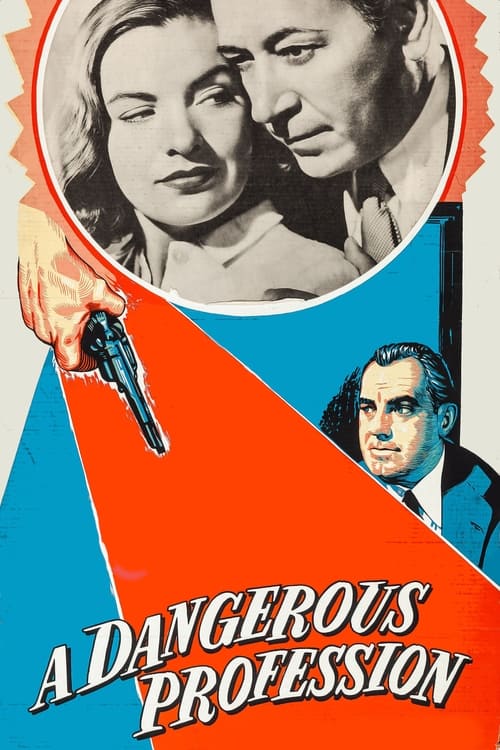
A Dangerous Profession
1949
No user ratings available yet
Representation score: 2.9 out of 10
Representation Score
Minimal
1959
NRDirector
Harold Daniels
Runtime
84 minutes
Average Rating
No ratings yetNew Showbiz Analysis
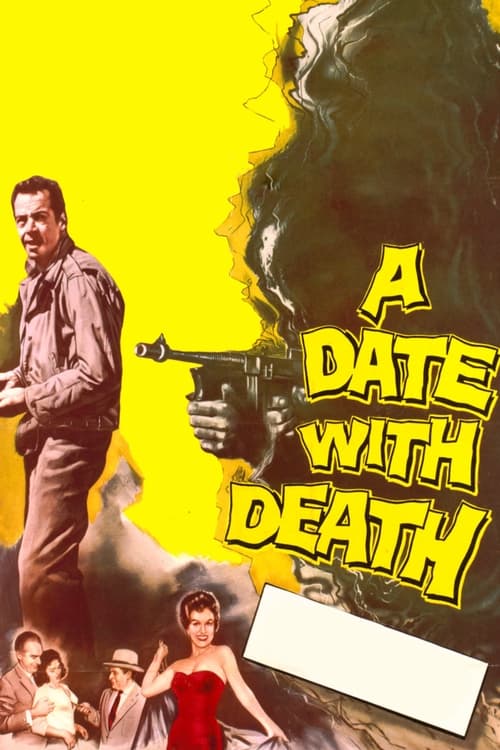
A Date with Death is a conventional crime piece that adheres to the established cinematic norms of the late 1950s. The narrative focuses on male-driven conflict and institutional authority, leaving little room for diverse perspectives. The film reinforces traditional social hierarchies rather than disrupting them. It relies on standard genre clichés, such as the mistaken identity of a drifter, to drive a plot centered on law and order. Ultimately, the production lacks intentionality regarding multi-layered representation. It reflects the homogeneous casting and social constraints of its era, prioritizing a standard Western crime framework over cultural or gendered complexity.
Category Breakdown
The film does not include any representation of LGBTQ+ identities or same-sex relationships. It follows the assumption that everyone is straight or cisgender, which was common in 1959 crime films.
The story revolves around a male character taking on institutional authority. Women in the film have limited roles and do not play a significant part in driving the main conflict.
The setting suggests a typical mid-century crime framework. There is no indication of a non-Anglo-Saxon majority cast or the challenging of period-specific racial stereotypes.
The narrative uses traditional justice frameworks and mistaken identity clichés. It reinforces established social structures rather than questioning Western institutions or emphasizing secular themes.
There is no evidence of characters with visible or invisible disabilities. The story focuses on the drifter's struggle with law and organized crime.
Present on Screen
Limited or Absent
Official Synopsis
A drifter riding the rails gets mistaken for the new sheriff of a small town. He takes the police job and is immediately pressured to crack down on local organized crime.
1949
1949
1954
1969
1953
1952
1951
1951
No reviews yet. Be the first to share your thoughts on this movie!
Use the rating form above to leave a star rating and optional review.