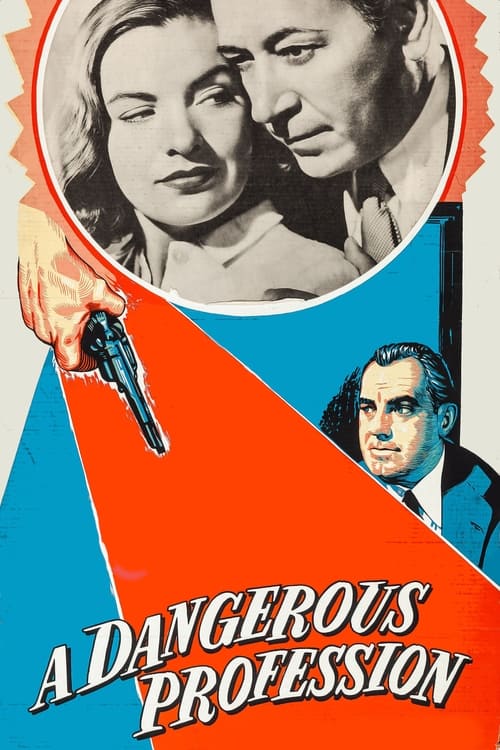
A Dangerous Profession
1949
No user ratings available yet
Diversity score: 2.2 out of 10

1951
NRDirector
Ted Tetzlaff
Runtime
83 minutes
Average Rating
No ratings yetSynopsis
A convicted racketeer becomes prison trustee when an inmate whom he persuaded to escape is killed.
Overall Score
Limited
Category Breakdown
LGBTQ+ Representation
The film operates within a strictly heteronormative framework. The central relationship between Bert and Ruth focuses on professional and romantic dynamics common to the noir genre. No queer subtext or non-cisnormative identities are present.
Gender Representation
Traditional gender roles dominate the narrative. While Ruth Williams shows agency by testifying under oath, her arc is defined by her reaction to the male protagonist. The plot centers on male-driven legal and violent conflicts.
Racial & Ethnic Diversity
The film reflects the demographic homogeneity of early 1950s crime cinema. The cast and settings do not indicate a multi-ethnic ensemble. The story reinforces white-centric social norms typical of the era.
Religious & Cultural Diversity
The story adheres to mid-century moral frameworks, focusing on the tension between crime and the rule of law. It functions as a cautionary tale rather than a critique of Western institutions or capitalism.
Disability Representation
There are no visible or invisible disabilities portrayed in the film. Characters are defined by their social roles, such as gangsters or lawyers, rather than physical or neurodivergent identities.
Strengths
Areas for Improvement
AI Analysis
Under the Gun is a conventional crime noir that functions as a standard product of its era. It prioritizes genre tropes and moral archetypes over the disruption of social hierarchies. The narrative reinforces established mid-century norms regarding race, gender, and morality. The film lacks intentionality regarding intersectional representation. Instead of deconstructing social structures, it follows a traditional path of criminal activity and legal accountability, serving as a period-typical example of genre storytelling.
1949
1941
1950
1955

1950
1949
1951
1949
1955
1951
1948

1950
No reviews yet. Be the first to share your thoughts on this movie!
Use the rating form above to leave a star rating and optional review.