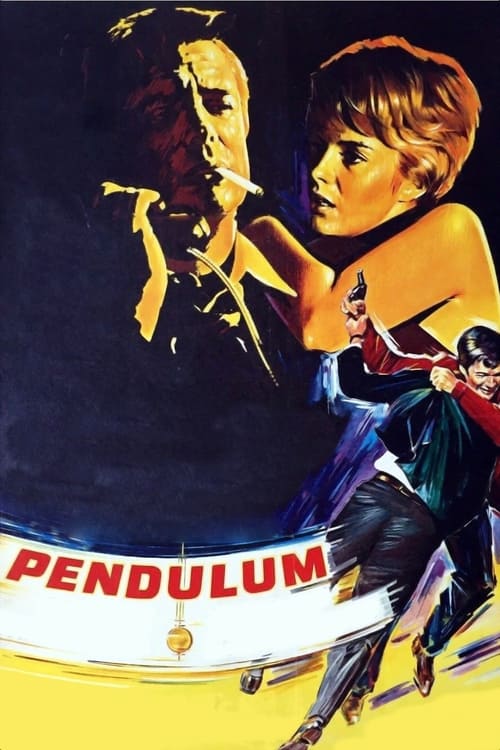
Pendulum
1969
No user ratings available yet
Representation score: 2.2 out of 10

Representation Score
Limited
1968
Not RatedDirector
Pete Walker
Runtime
77 minutes
Average Rating
No ratings yetNew Showbiz Analysis
The Big Switch is a conventional crime thriller that adheres strictly to the genre clichés of its era. The narrative structure prioritizes a traditional male-driven investigation, leaving little room for diverse perspectives or multi-layered identities. The film reflects the standard cinematic norms of 1968, focusing on a 'Playboy' archetype and a seedy underworld. It lacks any significant challenges to social hierarchies or the inclusion of underrepresented groups. Ultimately, the work functions as a period-typical noir-influenced thriller that relies on established, homogeneous storytelling patterns.
Category Breakdown
The film focuses on a heterosexual relationship between the protagonist and a woman. It adheres to the traditional sexual norms of late-1960s crime cinema without exploring non-traditional gender identities.
The narrative centers around a 'wronged man' cliché where the male protagonist is the main driver of the story. The female character serves primarily as a passive catalyst through her victimization.
The story centers on a homogeneous social stratum typical of 1968 British crime films. There is no evidence of a diverse or non-Anglo-Saxon majority cast.
The film aligns with mid-century Western crime clichés and standard procedural elements. It focuses on individual justice rather than systemic issues or diverse cultural critiques.
There is no mention of characters possessing visible or invisible disabilities within the narrative.
Present on Screen
Limited or Absent
Official Synopsis
Playboy John Carter picks up a woman in a discotheque and takes her home. When she is murdered and he is framed for the crime, he finds himself drawn into a seedy underworld plot.
1969

1956

1965
1991

1957

1972

1967

1970
No reviews yet. Be the first to share your thoughts on this movie!
Use the rating form above to leave a star rating and optional review.