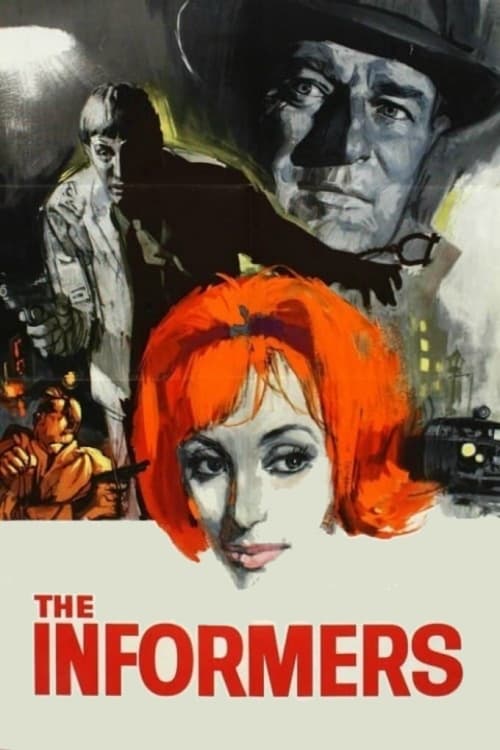
The Informers
1963
No user ratings available yet
Diversity score: 2.3 out of 10

1956
ApprovedDirector
Mark Stevens
Runtime
79 minutes
Average Rating
No ratings yetSynopsis
An insurance detective encounters numerous surprises when he is assigned to investigate a meticulously-planned train robbery in Arizona.
Overall Score
Limited
Category Breakdown
LGBTQ+ Representation
The film adheres to strict heteronormative standards typical of the 1950s. There is no evidence of non-cisnormative identities or narratives that critique traditional social structures.
Gender Representation
The story centers on a male insurance detective, a role common to the era's crime genre. Female characters likely function in traditional, secondary roles rather than as figures of authority.
Racial & Ethnic Diversity
Set in Arizona, the film likely follows the Anglo-centric casting patterns of mid-century Western cinema. It lacks evidence of a diverse or non-white majority cast.
Religious & Cultural Diversity
The narrative reinforces mid-20th-century values regarding law, order, and property protection. It aligns with established institutional norms rather than offering alternative cultural perspectives.
Disability Representation
Disability is not explored through a lens of agency. If present, such traits would likely serve as mere plot devices rather than nuanced character studies.
Strengths
Areas for Improvement
AI Analysis
Time Table is a conventional 1956 crime procedural that reflects the rigid social hierarchies of its era. The narrative architecture prioritizes a linear investigation into a train robbery, focusing on traditional genre tropes rather than identity-driven storytelling. The film functions as a product of its historical moment, reinforcing established institutional norms. It lacks the intersectional complexity or diverse representation necessary to challenge the status quo of mid-century American cinema. Ultimately, the work adheres to the demographic and cultural standards of the 1950s, offering a homogeneous perspective centered on a male protagonist and traditional Western values.
1963
1954
1949
1959
1952
1950
1960
1951
1948
1941
1962
1963
No reviews yet. Be the first to share your thoughts on this movie!
Use the rating form above to leave a star rating and optional review.