
The Mad Bomber
1973
No user ratings available yet
Representation score: 2.1 out of 10

Representation Score
Minimal
1959
ApprovedDirector
Charles F. Haas
Runtime
95 minutes
Average Rating
No ratings yetNew Showbiz Analysis
The film operates as a conventional crime procedural typical of 1959. It adheres to established social hierarchies and mid-century cinematic conventions rather than subverting them. The narrative structure prioritizes traditional roles of authority and victimhood. By centering the plot on a male protagonist's pursuit of a criminal, the film reinforces standard patriarchal and institutional dynamics. Overall, the work lacks complexity in reflecting multiple aspects of identity and adheres strictly to the era's social norms.
Category Breakdown
The film does not include any characters with non-straight or non-cisgender identities. It also does not show any same-sex intimacy. The story focuses on a serial rapist and law enforcement, which suggests a framework based on the assumption that everyone is straight and cisgender.
The story follows a traditional patriarchal structure where a male cop acts as the main agent of justice after his wife is attacked. This positions the female character as a passive recipient of trauma.
The film likely reflects the period-typical homogeneity of the late 1950s. There is no evidence of diverse casting or the inclusion of varied ethnic perspectives within the narrative.
The plot relies on traditional Western institutions like the legal system to resolve conflicts. It emphasizes restorative justice through state authority rather than challenging systemic social structures.
There is no information regarding the inclusion of characters with physical, sensory, or neurodivergent disabilities.
Present on Screen
Limited or Absent
Official Synopsis
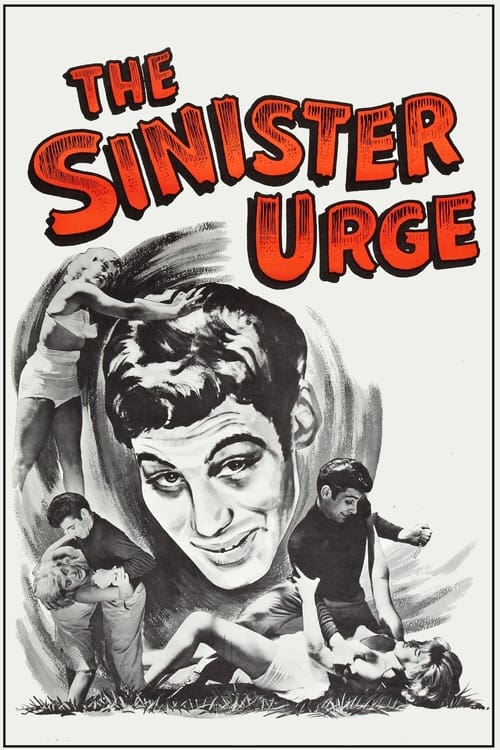
A group of beatniks unwittingly harbor a serial rapist. A cop goes after him after his wife is attacked.
1973

1949
1960

1970
1964

1958

1952

1949
No reviews yet. Be the first to share your thoughts on this movie!
Use the rating form above to leave a star rating and optional review.