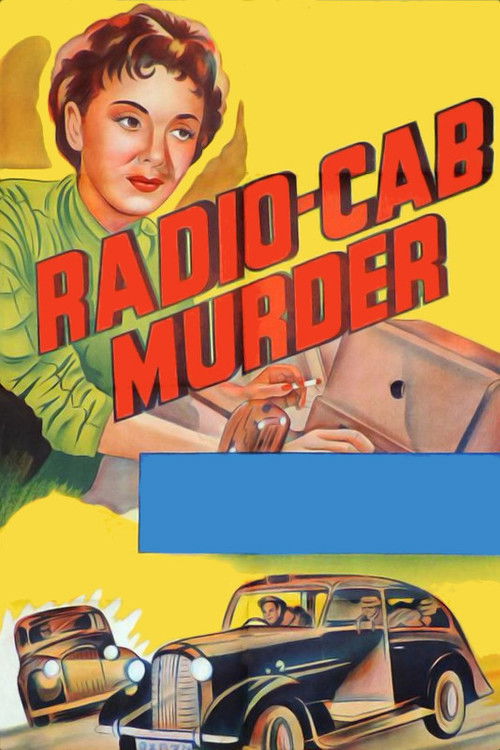
Radio Cab Murder
1954
No user ratings available yet
Representation score: 1.1 out of 10
Representation Score
Minimal
1953
ApprovedDirector
Phil Karlson
Runtime
83 minutes
Average Rating
No ratings yetNew Showbiz Analysis
Phil Karlson’s crime noir is a product of its time, prioritizing gritty genre clichés over social representation. The film focuses on a narrow demographic lens, emphasizing a predominantly white, working-class experience. While the film provides a sophisticated look at institutional failure and the blurred lines between protagonist and antagonist, it does so through a traditional framework. It lacks the depth needed to challenge the social hierarchies of the mid-20th century. Ultimately, the work serves as a quintessential example of 1953 cinematic conventions. It reinforces mid-century gender roles and lacks any meaningful engagement with LGBTQ+ or disability representation.
Category Breakdown
The film follows strict 1950s structures that assume everyone is straight and cisgender. There are no non-cisgender identities or same-sex relationships.
Female characters follow established stereotypes such as the nagging wife or femme fatale. They exert emotional influence but do not have the power to disrupt male-dominated hierarchies.
The cast is mainly white, depicting a homogeneous urban setting. The story does not actively engage with racial or ethnic diversity.
The film offers a cynical critique of social institutions and urban decay, focusing on moral ambiguity rather than organized social manifestos.
There is no representation of physical or neurodivergent disabilities among the main characters or supporting cast.
Present on Screen
Limited or Absent
Official Synopsis
A former boxer turned taxi driver earns the scorn of his nagging wife and gets mixed up with jewel thieves.
1954
1949
1951
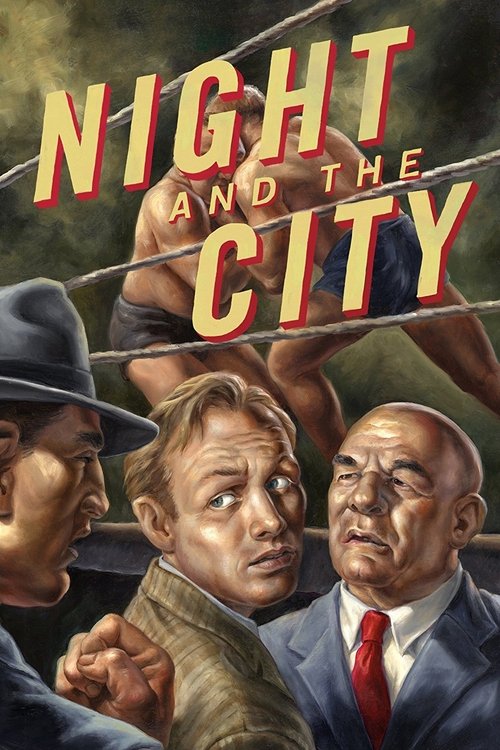
1950
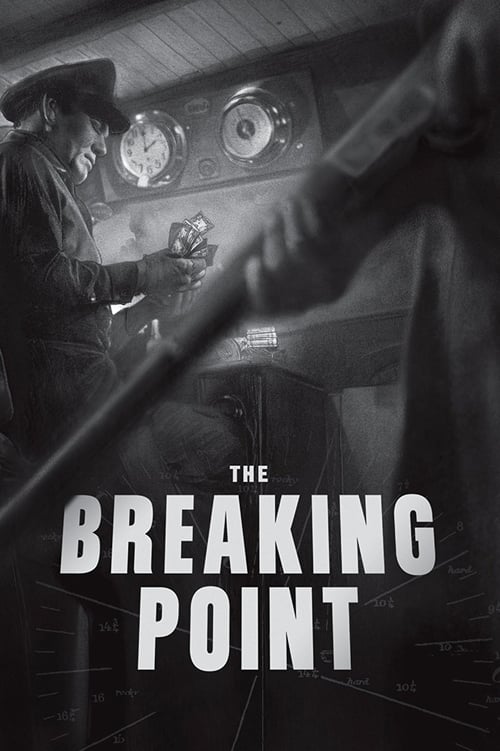
1950

1952
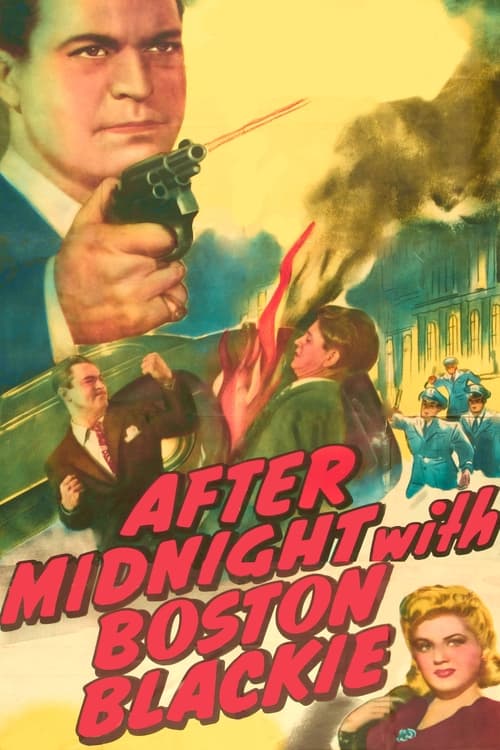
1943
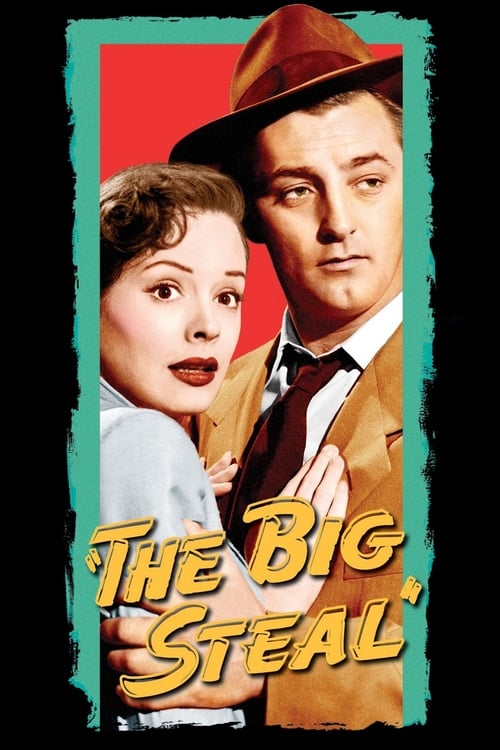
1949
No reviews yet. Be the first to share your thoughts on this movie!
Use the rating form above to leave a star rating and optional review.