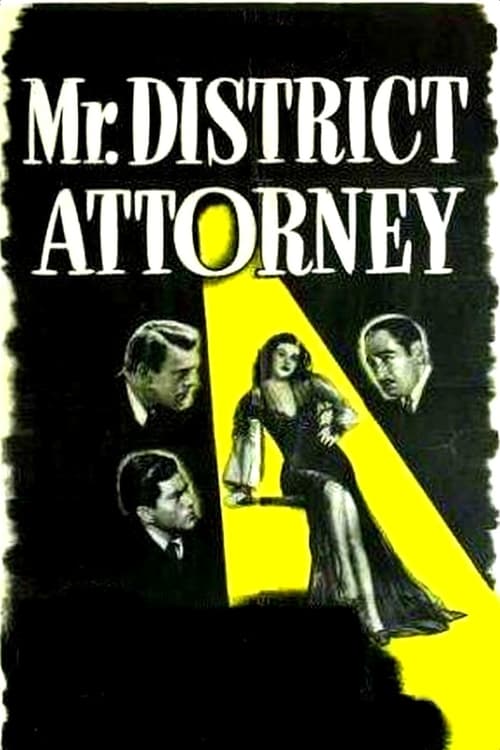
Mr. District Attorney
1947
No user ratings available yet
Diversity score: 1.3 out of 10

1954
NRDirector
Joseph M. Newman
Runtime
82 minutes
Average Rating
No ratings yetSynopsis
Danforth is assigned to take over the police department in a section of a large city saddled with juvenile delinquency, petty crimes, graft and also a recent unsolved murder of a strip-tease dancer. Recognizing the laxity of the department he implements many changes and soon finds himself under fire by the newspapers, the attorney of a racket leader and the denizens of this human jungle.
Overall Score
Minimal
Category Breakdown
LGBTQ+ Representation
The film contains no visible LGBTQ+ characters or non-heteronormative identities. It adheres strictly to the social mores of the 1950s without queer subtext.
Gender Representation
Male characters drive the narrative agency, particularly in authoritative roles. Female characters are largely relegated to romantic interests or subjects needing protection.
Racial & Ethnic Diversity
The cast is predominantly white, following standard mid-century studio practices. Depictions of non-Western cultures rely on colonial adventure tropes rather than nuanced character depth.
Religious & Cultural Diversity
The story operates within a traditional Western framework and emphasizes mid-century values. It does not challenge Western institutional norms or prioritize alternative moralities.
Disability Representation
There is no discernible representation of physical, neurodivergent, or mental health disabilities. Characters are portrayed through a lens of standard physical capability.
Strengths
Areas for Improvement
AI Analysis
The Human Jungle functions as a standard mid-century crime thriller that reinforces the social hierarchies of its era. The narrative architecture prioritizes male agency and traditional authority, leaving little room for diverse perspectives. Representation is limited by the era's studio conventions. The film relies on established tropes regarding race and gender, failing to provide complex or independent agency to non-white characters or women. Ultimately, the film lacks intersectional complexity. It serves as a baseline example of 1950s filmmaking, focusing on maintaining order within a conventional moral and cultural landscape.
1947

1950
1959
1934
1951
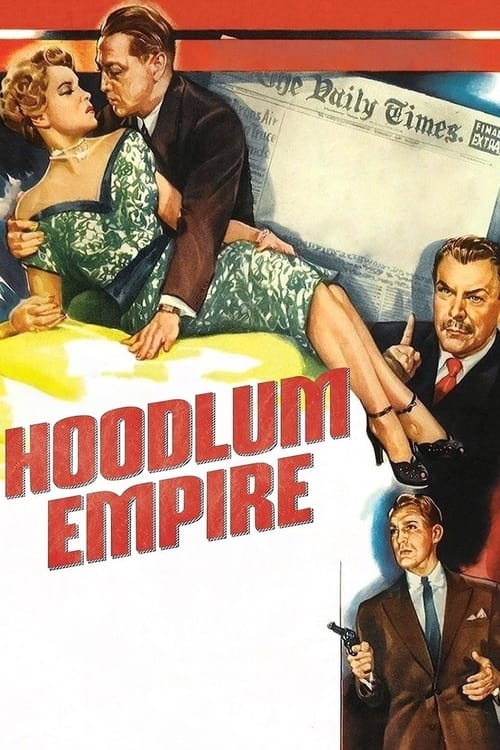
1952
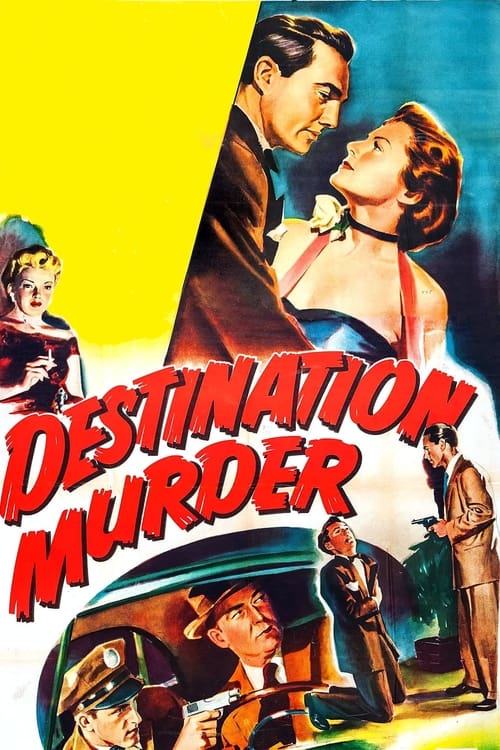
1950
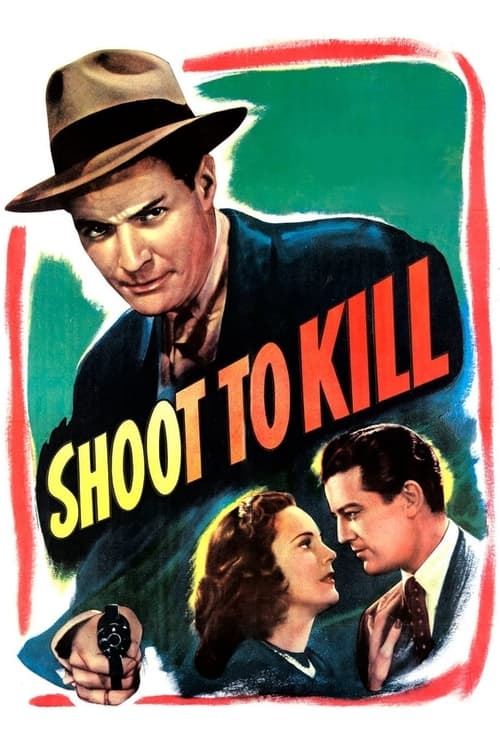
1947
1954
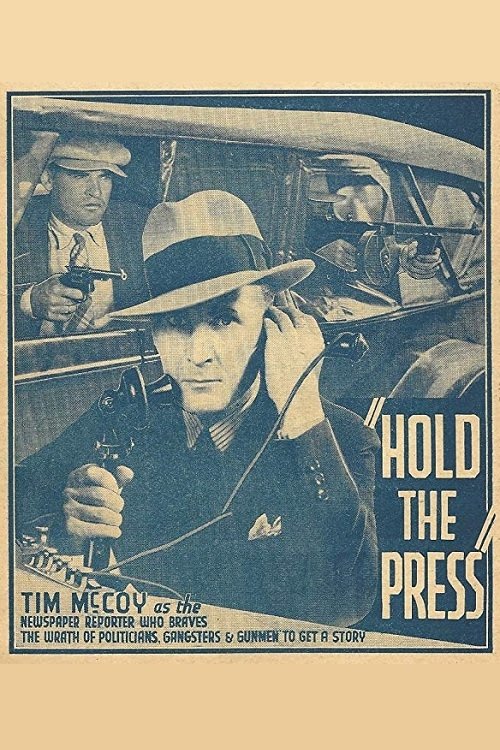
1933
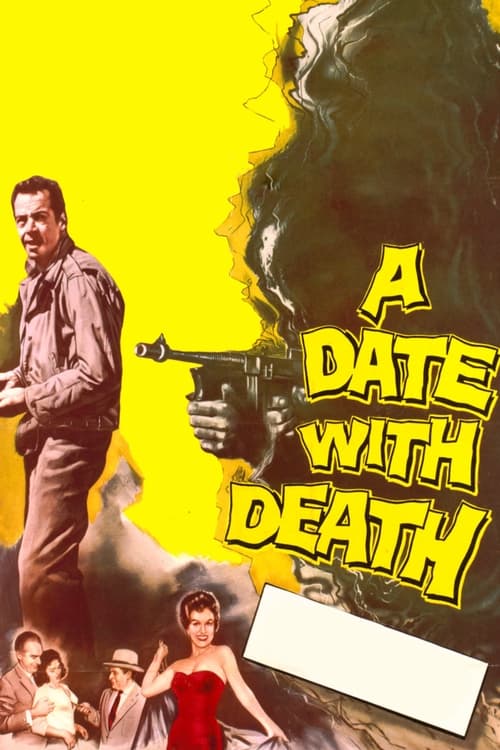
1959
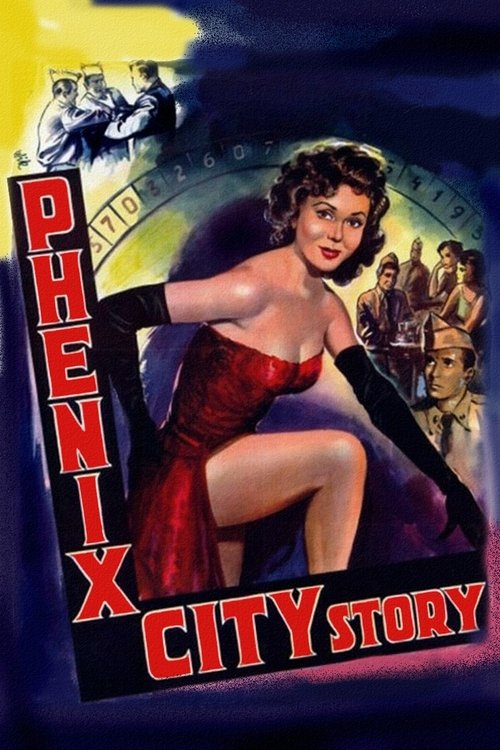
1955
No reviews yet. Be the first to share your thoughts on this movie!
Use the rating form above to leave a star rating and optional review.