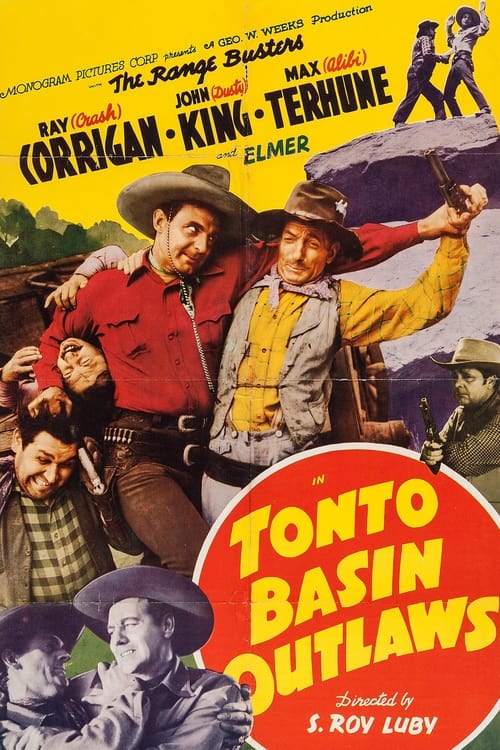
Tonto Basin Outlaws
1941
No user ratings available yet
Diversity score: 2.3 out of 10
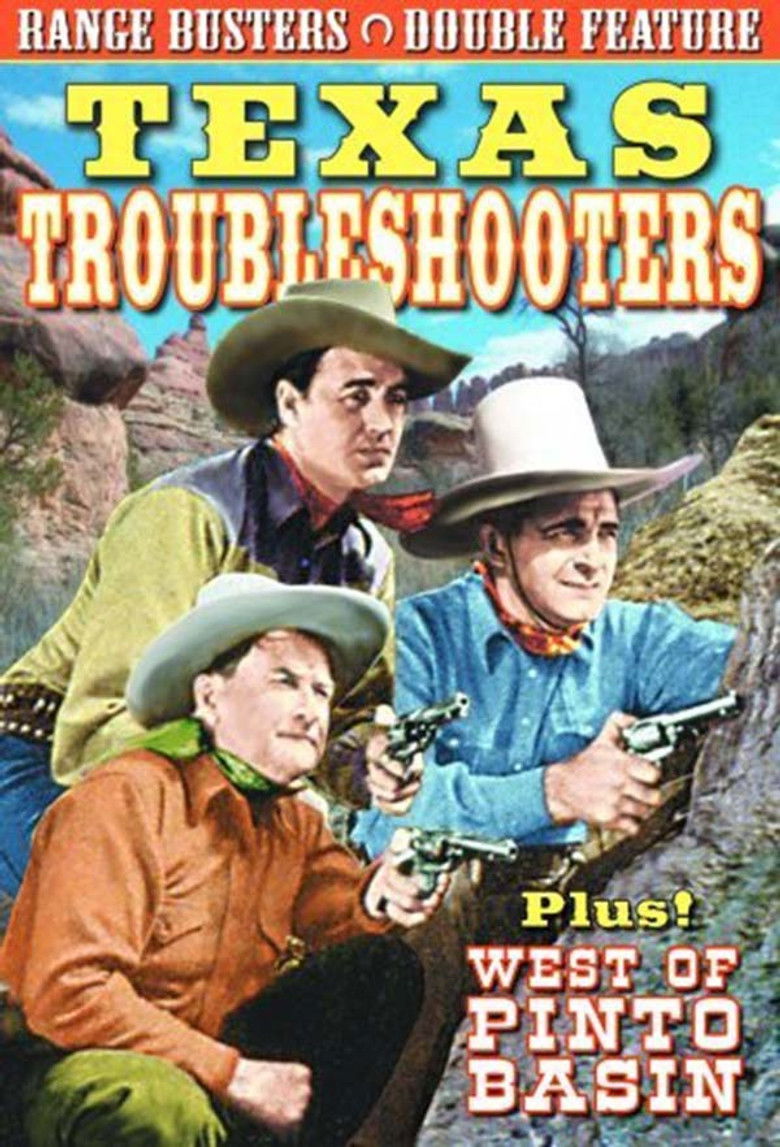
1942
PassedDirector
S. Roy Luby
Runtime
56 minutes
Average Rating
No ratings yetSynopsis
The Range Busters are together again to try and stop a swindle.
Overall Score
Limited
Category Breakdown
LGBTQ+ Representation
The film lacks any depiction of non-cisnormative identities or same-sex intimacy. It adheres to the heteronormative social structures typical of 1942 cinema.
Gender Representation
Female characters function as passive figures within a male-dominated landscape. They typically lack agency, serving primarily as motivation for the protagonists.
Racial & Ethnic Diversity
The film centers on Anglo-Saxon protagonists, reflecting standard casting practices of the era. Any Indigenous or Mexican characters likely occupy archetypal or secondary roles.
Religious & Cultural Diversity
The narrative reinforces established social order and traditional Western values. It focuses on stopping a swindle rather than critiquing Western institutions.
Disability Representation
There is no evidence of characters with visible or invisible disabilities. Disability is not addressed as a matter of identity or agency.
Strengths
Areas for Improvement
AI Analysis
Texas Trouble Shooters is a conventional B-Western that functions as a baseline for 1940s genre storytelling. It relies on clear moral dichotomies and traditional tropes to drive its plot regarding a swindle. The film reinforces the socio-cultural hierarchies of its era. It lacks intersectional complexity, instead prioritizing a standardized narrative structure that centers on male-driven action and established social norms. Ultimately, the work serves as a period-typical example of the Western genre, offering little narrative disruption or progressive representation.
1941
1941
1942
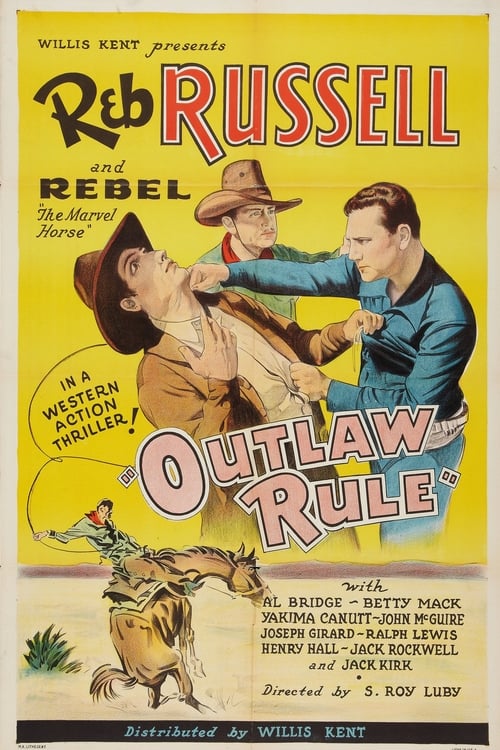
1935
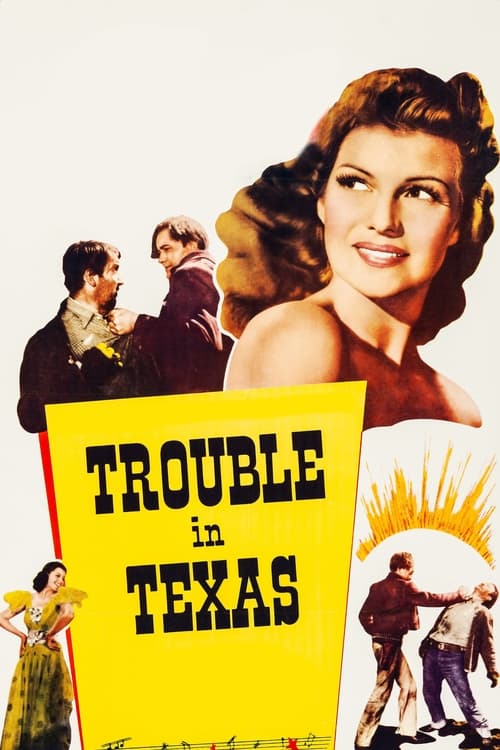
1937
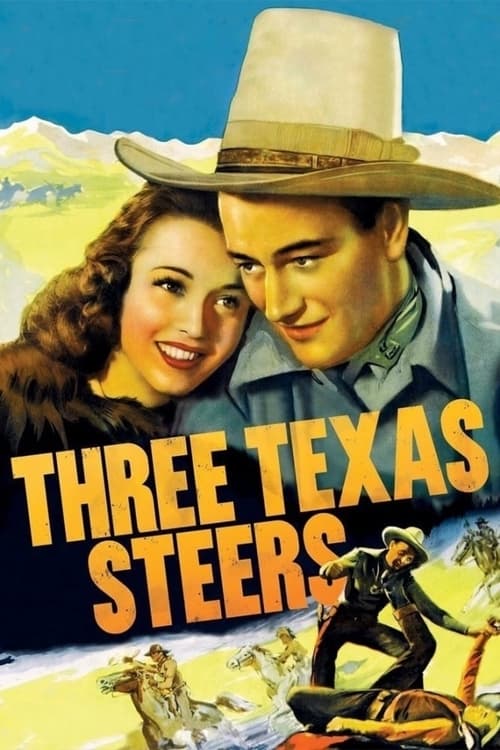
1939
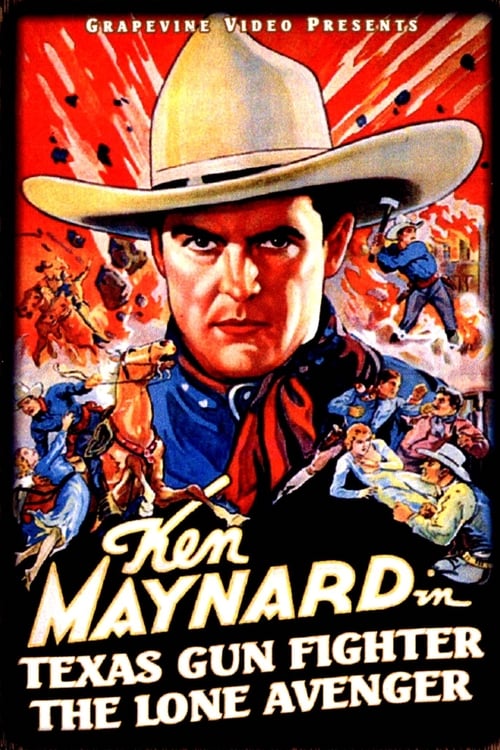
1932
1938
1944

1934
1952
1943
No reviews yet. Be the first to share your thoughts on this movie!
Use the rating form above to leave a star rating and optional review.