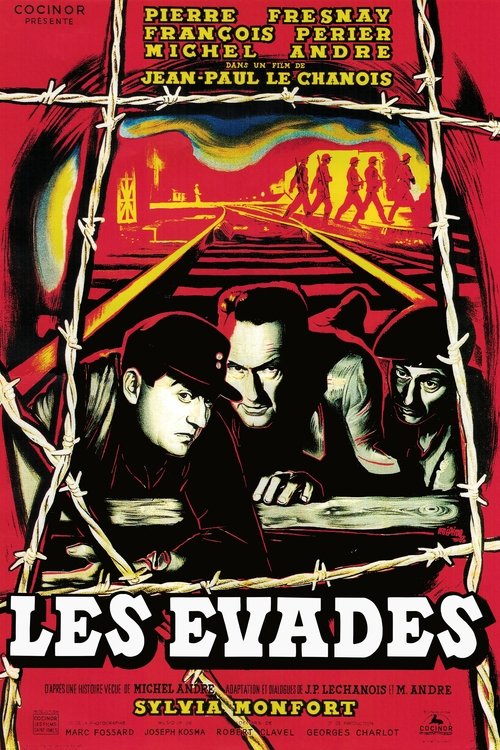
The Fugitives
1955
No user ratings available yet
Representation score: 2.0 out of 10
Representation Score
Fair
1995
Director
Sébastien Grall
Runtime
103 minutes
Average Rating
No ratings yetNew Showbiz Analysis
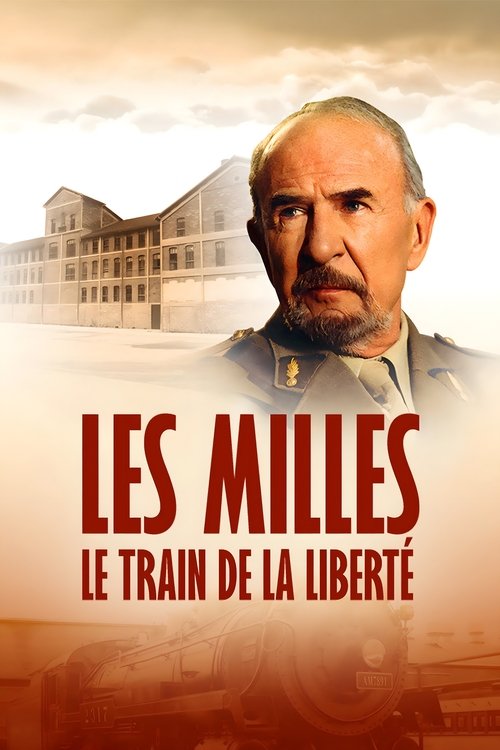
Les Milles is a historical drama that explores the moral complexities of wartime bureaucracy. By focusing on the plight of stateless individuals and challenging the military hierarchy, the film provides a sophisticated critique of institutional authority and nationalist structures. However, the narrative is heavily male-centric, with ability to act concentrated in the protagonist and prisoner leaders. The lack of visible female representation or queer identities suggests a traditional dramatic framework that prioritizes geopolitical conflict over social diversity. Ultimately, the film succeeds as a study of humanism and the struggle of the underrepresented, even if it remains limited in its breadth of social representation.
Category Breakdown
The film does not explicitly include LGBTQ+ characters or representations of non-straight relationships. The main focus is on geopolitical and ethnic tensions during World War II.
Male characters, particularly Commander Charles Perrochon and the male prisoner leaders, play a central role in driving the story. Women are not prominently featured, suggesting a traditional wartime narrative structure.
The story emphasizes the experiences of Germans, Austrians, and stateless individuals. This focus on displaced persons challenges the idea of a homogeneous national identity.
The film critiques state power by showing internment as a systemic injustice. It challenges nationalist structures through the struggles of stateless individuals against the machinery of war.
There is no specific information about the portrayal of physical or neurodivergent disabilities within the narrative.
Present on Screen
Limited or Absent
Official Synopsis
In the beginning of the Second World War, Germans, Austrians and persons without nationality living in France are sent to the concentration camp of Les Milles by France government. Commander Charles Perrochon is the responsible for this camp and he promises to the leaders of the prisoners to protect them from the Nazis. When France is invaded by the Germans, Commander Perronchon will disobey orders and his superiors trying to save these men. He gets a train, a ship and money from USA to send about eight hundred of these prisoners to the safety of Casablanca, in Marrocos.
1955

1966
2006
2009
1981

2024

2015
1987
No reviews yet. Be the first to share your thoughts on this movie!
Use the rating form above to leave a star rating and optional review.