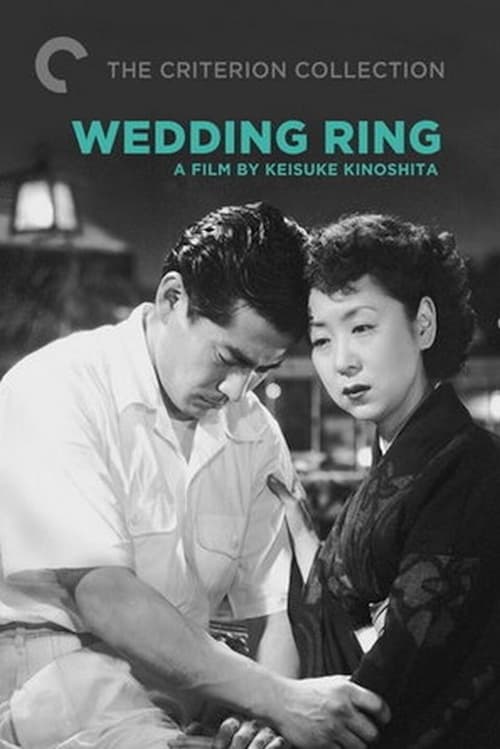
Wedding Ring
1950
No user ratings available yet
Representation score: 4.0 out of 10
Representation Score
Limited
1955
Director
Masaki Kobayashi
Runtime
120 minutes
Average Rating
No ratings yetNew Showbiz Analysis
Masaki Kobayashi’s drama is a sophisticated critique of post-war Japanese society rather than a simple period piece. It succeeds by centering the struggles of the working class and deconstructing traditional hierarchies during the reconstruction era. While the film adheres to traditional demographic structures and lacks LGBTQ+ or disability representation, its strength lies in its cultural depth. It explores the tension between individual survival and collapsing societal norms through a nuanced, non-Western lens.
Category Breakdown
The film lacks LGBTQ+ characters or non-traditional romantic arcs. It focuses on traditional romantic and familial structures through generational continuity.
Women are depicted as central figures managing domestic survival. Their pragmatic resilience often contrasts with the psychological displacement and loss of status seen in male characters.
The cast is ethnically homogeneous, reflecting the historical reality of a Tokyo-based production. It avoids a Western-normative lens by centering a non-Western perspective on post-war occupation.
The narrative critiques the instability of post-war capitalism and the breakdown of traditional social order. It portrays the working class navigating gray ethical territories to survive systemic upheaval.
There is insufficient evidence to assess the depiction of physical or neurodivergent disabilities.
Present on Screen
Limited or Absent
Official Synopsis
A romantic drama depicting the lives of two generations of a family who run a Tokyo florist shop.
1950
1955
1953
1951
1947
1956
1983
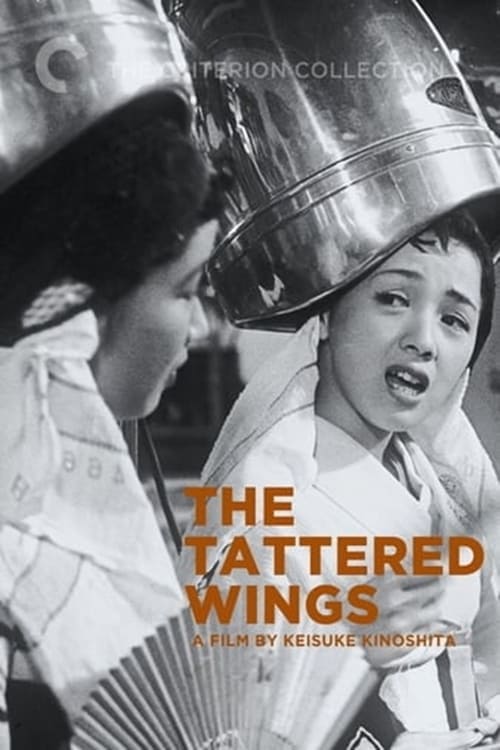
1955
No reviews yet. Be the first to share your thoughts on this movie!
Use the rating form above to leave a star rating and optional review.