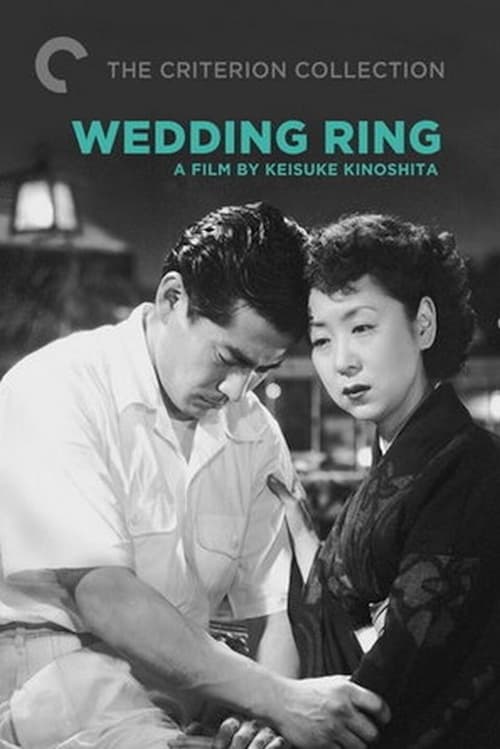
Wedding Ring
1950
No user ratings available yet
Representation score: 4.0 out of 10
Representation Score
Good
1953
Director
Masaki Kobayashi
Runtime
95 minutes
Average Rating
No ratings yetNew Showbiz Analysis
Masaki Kobayashi's direction often breaks down rigid social structures and criticizes institutional authority. This suggests the film may explore the tension between individual freedom and systemic oppression. The film offers a non-Western perspective, though it lacks the diverse ethnic mix seen in modern global cinema. Its strength lies in challenging traditional social constraints through its characters. While the film doesn't explicitly represent multiple aspects of identity, it focuses on a female protagonist's emotional journey and a character with a disability, providing a basis for meaningful representation.
Category Breakdown
The film doesn't explicitly show LGBTQ+ identities. It focuses on a romantic relationship between a student and a girl with a disability.
The story centers on a female protagonist and her inner emotions. This shifts away from traditional male-dominated narratives focused on conquest.
As a 1953 Japanese film, it operates in a culturally uniform setting. However, it provides a non-Western viewpoint that challenges the dominance of Western cinema.
The story explores personal emotions and social boundaries. Kobayashi often highlights how traditional societal duties can limit individuals.
Disability is central to the plot through the character of the girl with a disability. The narrative likely addresses her condition thoughtfully, not just as a plot device.
Present on Screen
Limited or Absent
Official Synopsis
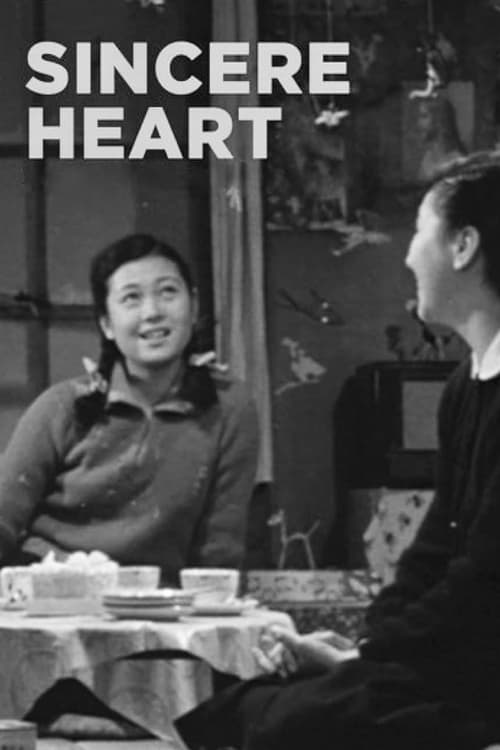
A young student falls for an invalid girl, whom he can only see from afar.
1950
1951
1981
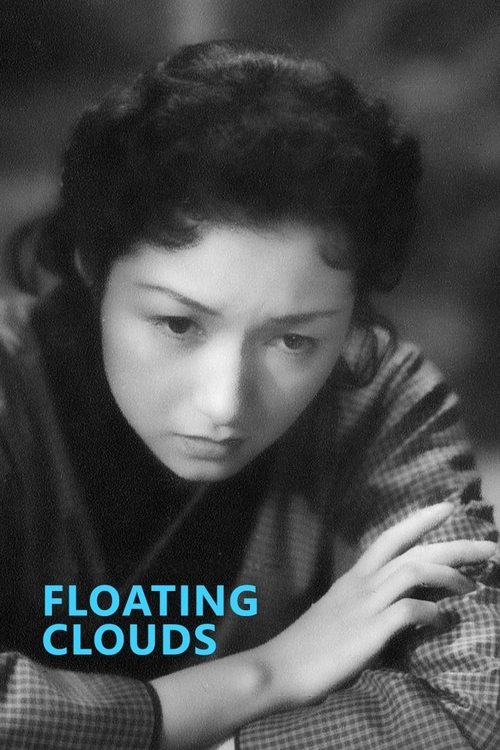
1955
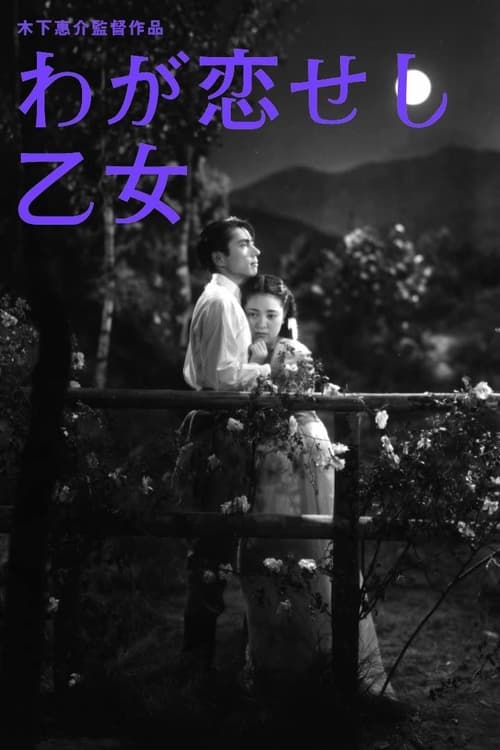
1946
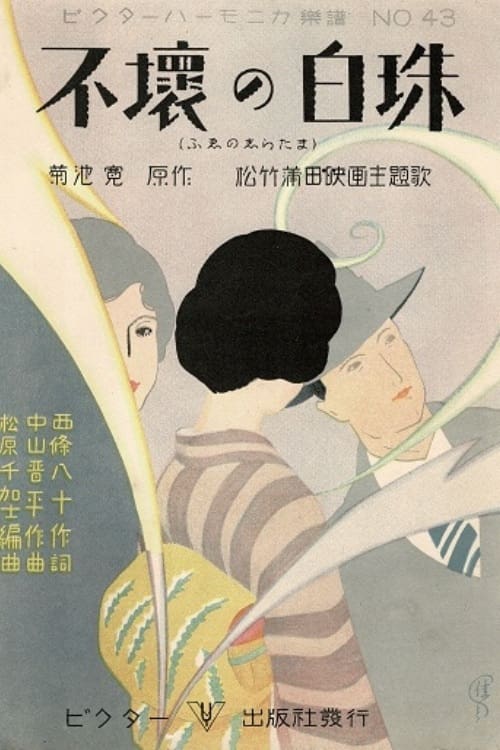
1929
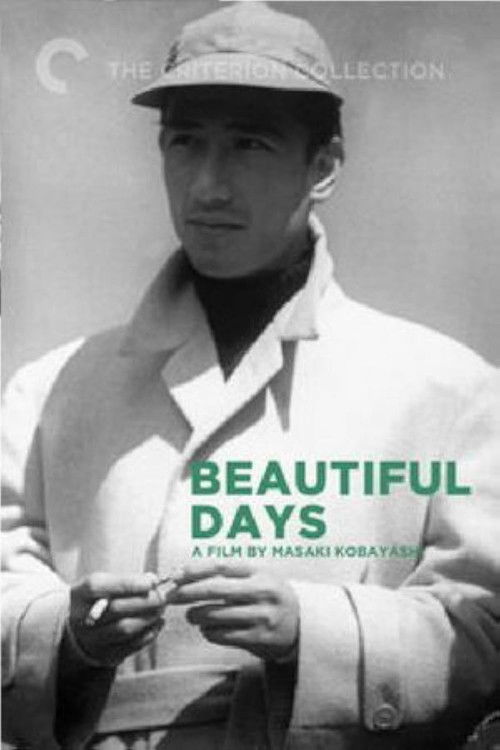
1955
1968
No reviews yet. Be the first to share your thoughts on this movie!
Use the rating form above to leave a star rating and optional review.