
Floating Clouds
1955
No user ratings available yet
Representation score: 4.2 out of 10
Representation Score
Limited
1964
Director
Mikio Naruse
Runtime
98 minutes
Average Rating
No ratings yetNew Showbiz Analysis
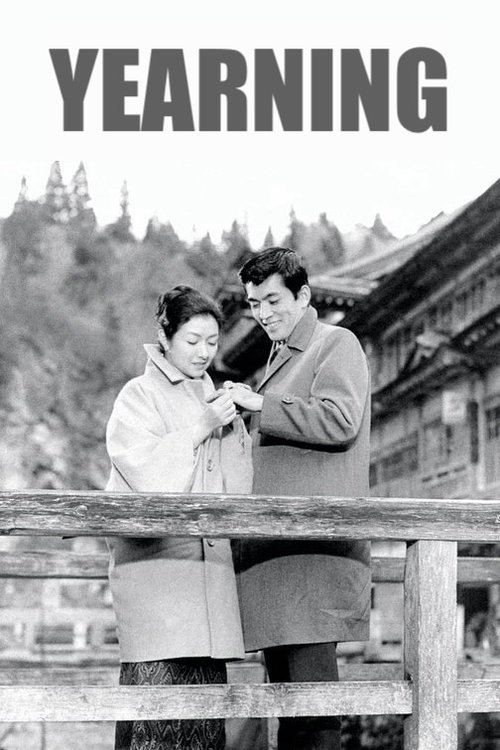
Mikio Naruse’s *Yearning* is a sophisticated study of female subjectivity within a restrictive patriarchal framework. The film succeeds by prioritizing the psychological complexity of its protagonist over traditional romantic clichés. While the film lacks explicit identity-based representation, it offers a progressive deconstruction of how traditional institutions and economic shifts act as oppressive forces. It excels in its nuanced portrayal of gendered emotional labor. Ultimately, the film's strength lies in its realism. It replaces idealized domesticity with a grounded look at individual ability to act against systemic displacement.
Category Breakdown
The film focuses on traditional marriage and social structures that assume everyone is straight or cisgender. There is no evidence of queer subtext or non-cisgender identities within the plot.
Naruse challenges traditional hierarchies by centering the protagonist's intellect and emotional endurance. The protagonist plays a significant role in driving the story by managing a business and navigating intense familial pressures.
The film features a homogeneous Japanese cast reflecting its specific cultural context. It maintains authenticity without adopting a Western-centric perspective.
The narrative critiques emerging capitalist structures through the tension between family shops and modern supermarkets. It explores the ethical complexities of domestic life.
There are no prominent depictions of physical or neurodivergent disabilities that drive the narrative.
Present on Screen
Limited or Absent
Official Synopsis
War widow Reiko rebuilds and runs the grocery shop in the house of her husband's family. Many years later, their business is threatened by a newly built supermarket and Reiko's in-laws plan to convert their small shop into a supermarket, to her detriment.
1955

1948
2011

2010

1960

1961
1955

1968
No reviews yet. Be the first to share your thoughts on this movie!
Use the rating form above to leave a star rating and optional review.