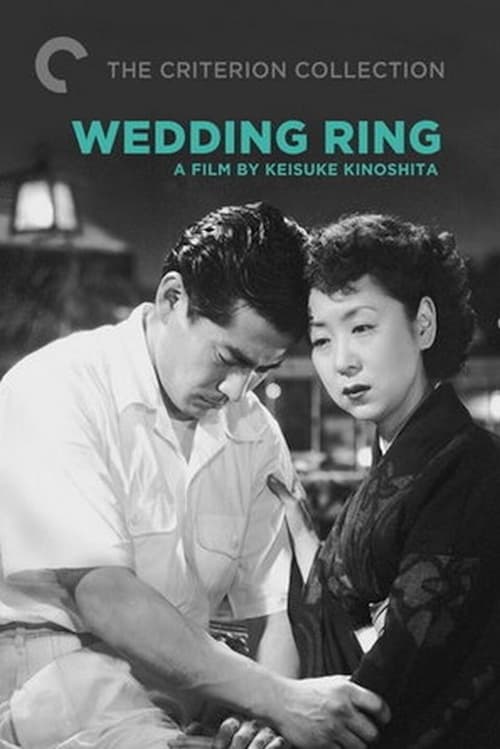
Wedding Ring
1950
No user ratings available yet
Representation score: 4.0 out of 10

Representation Score
Fair
1955
Director
Mikio Naruse
Runtime
123 minutes
Average Rating
No ratings yetNew Showbiz Analysis
Mikio Naruse’s drama excels as a sophisticated study of human vulnerability. By focusing on the psychological and socioeconomic erosion of its characters, the film goes beyond typical melodrama to critique the instability of post-war structures. The film's strength lies in its refusal to offer simple moral clarity. Instead, it explores how systemic changes dictate individual behavior, especially through the breakdown of the traditional family unit. While the cast is ethnically uniform, the film avoids a Western-centric lens by grounding its narrative in the specific realities of Japanese post-war reconstruction.
Category Breakdown
The film focuses solely on a heterosexual relationship and does not include any non-straight or non-cisgender identities or hints of queer subtext.
The film challenges traditional gender roles by showing Nami as resilient and emotionally independent, while Kichiro is portrayed as aimless and unable to provide stable leadership.
The cast is ethnically uniform, reflecting the specific post-WWII Japanese context. It avoids a Western-centric perspective by focusing on a purely Japanese experience of economic change.
The film critiques traditional institutions and social norms. It portrays infidelity and non-conformity as inevitable responses to a fractured, post-war society and growing consumerism.
There are no prominent depictions of physical or neurodivergent disabilities used as central plot devices or character traits.
Present on Screen
Limited or Absent
Official Synopsis
A married Japanese forester during WWII is sent to Indochina to manage forests. He meets a young Japanese typist and promises to leave his wife. He doesn't and after the war, she turns up and the affair resumes.
1950
1948

1956
1964
1958
1939
1955
1952
No reviews yet. Be the first to share your thoughts on this movie!
Use the rating form above to leave a star rating and optional review.