
Still the Water
2014
No user ratings available yet
Representation score: 4.0 out of 10
Representation Score
Limited
2012
Director
Naomi Kawase
Runtime
91 minutes
Average Rating
No ratings yetNew Showbiz Analysis
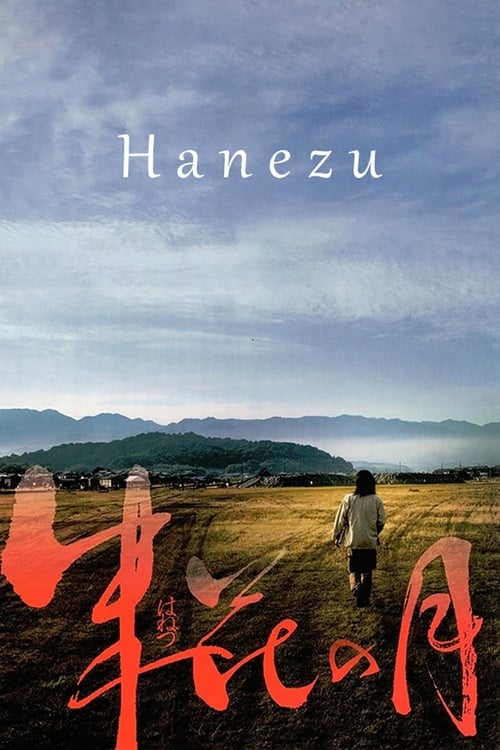
Naomi Kawase’s *Hanezu* is a meditative exploration of human emotions intertwined with the natural world. It avoids high-stakes conflict, choosing instead a sensory, observational style that prioritizes atmospheric storytelling and the quiet empowerment of its female protagonist. The film achieves progressive value by challenging traditional cinematic structures. By focusing on the internal life of Kayoko and a non-industrialized worldview, it deviates from typical commercial drama clichés. However, the work remains culturally specific and traditional in its interpersonal dynamics. It does not engage deeply with identity politics or radical social deconstruction, leading to a score reflective of its localized, conventional romantic framework.
Category Breakdown
The story focuses on a traditional romantic relationship between Kayoko and Takumi. There are no representations of non-straight or non-cisgender identities.
The film centers on the female perspective and emotional autonomy. Kayoko’s role is highlighted through her connection to tradition and sensory experiences, avoiding traditional patriarchal themes.
The cast is culturally uniform, reflecting the specific Japanese setting of Nara Prefecture. This approach ensures authenticity to the local environment.
The narrative emphasizes a naturalist worldview and a connection to ancestral traditions. It highlights agrarian rhythms and a spiritual bond with the land.
There are no prominent depictions of physical or neurological disabilities. The focus remains on the sensory experiences of able-bodied characters.
Present on Screen
Limited or Absent
Official Synopsis
Woodwork artist Takumi moves to the small village Asuka in Nara Prefecture. He remodels old homes and lives a peaceful existence with nature. Takumi then meets Kayoko, a woman who went to the same school as Takumi. Kayoko is fascinated with the color crimson. She dyes scarves with the color of hanezu. Kayoko lives with boyfriend Tetsuya, who works as an editor of a PR magazine. They live together. Soon, Kayoko falls in love with Takumi.
2014

2009
2018
2015

2021

2022

2014
2016
No reviews yet. Be the first to share your thoughts on this movie!
Use the rating form above to leave a star rating and optional review.