Queen for a Night
1943
No user ratings available yet
Diversity score: 2.8 out of 10
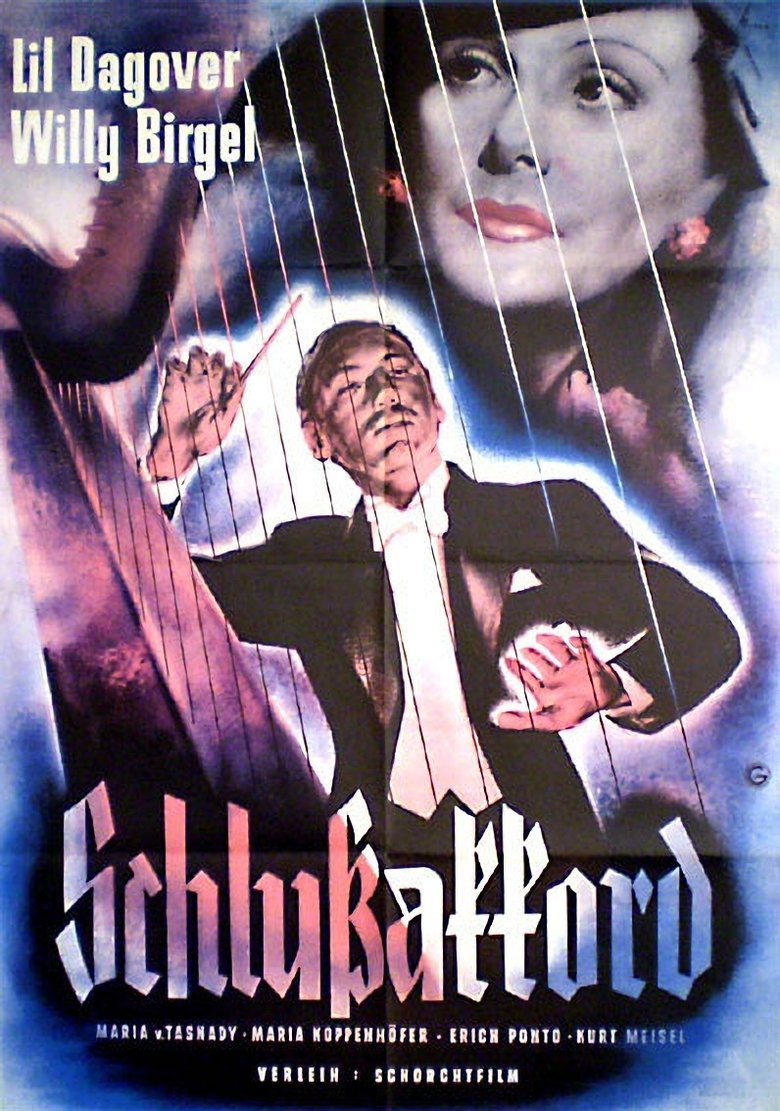
1936
Director
Douglas Sirk
Runtime
100 minutes
Average Rating
No ratings yetSynopsis
After her husband dies, a German woman who gave up her infant for adoption to emigrate to America returns to Germany, discovering that her child is being raised by a married orchestra conductor.
Overall Score
Limited
Category Breakdown
LGBTQ+ Representation
The film lacks explicit evidence of non-heteronormative identities or same-sex intimacy. The narrative focuses on traditional maternal arcs and the domestic structures of a married conductor.
Gender Representation
A female protagonist drives the narrative, with her agency defined by past choices and her return to reclaim a lost connection. Her emotional truth challenges the male-led professional and domestic spheres.
Racial & Ethnic Diversity
Set in Germany with themes of emigration, the story focuses on a homogeneous cast within the German musical establishment. There is no evidence of intersectional racial diversity.
Religious & Cultural Diversity
The film critiques the rigidity of traditional family structures and social status. It explores the tension between individual history and the established institution of the family unit.
Disability Representation
There is no mention of characters navigating physical or neurodivergent disabilities within the plot.
Strengths
Areas for Improvement
AI Analysis
The film functions as a character study of maternal longing and the disruption of social hierarchies. While it lacks demographic breadth, it uses melodrama to explore the friction between individual identity and restrictive 1930s social institutions. The narrative provides a moderate level of progressive architecture by centering on female agency. The protagonist's journey challenges the stability of a male-dominated domestic and professional world. However, the film remains limited by its period-specific focus. It lacks racial diversity and LGBTQ+ visibility, adhering largely to the conventional social frameworks of its era.
1943

1929
1947
1949
1940
1940
1937

1997
1945

1937

1933
1939
No reviews yet. Be the first to share your thoughts on this movie!
Use the rating form above to leave a star rating and optional review.