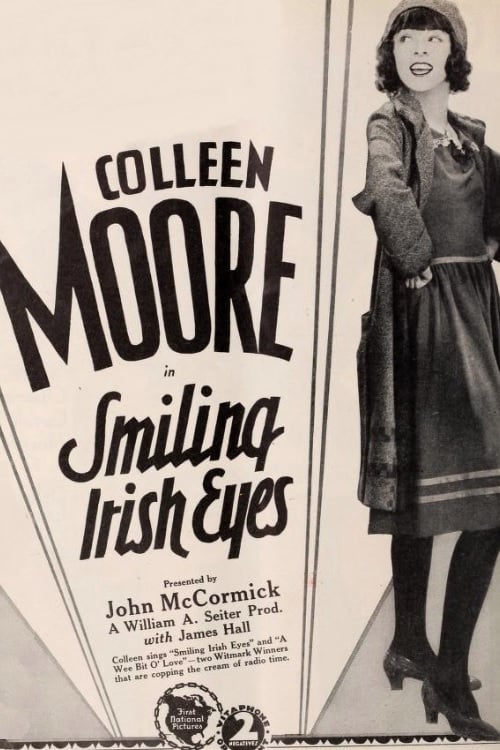
Smiling Irish Eyes
1929
No user ratings available yet
Representation score: 2.4 out of 10
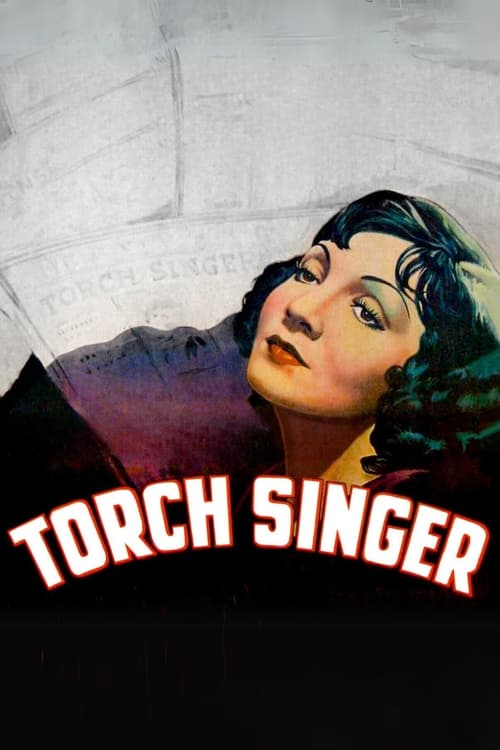
Representation Score
Minimal
1933
NRDirector
Alexander Hall, George Somnes
Runtime
71 minutes
Average Rating
No ratings yetNew Showbiz Analysis
Torch Singer is a classic product of the early 1930s Hollywood studio system. It focuses on traditional melodrama and musical performance rather than challenging social norms. The film centers on a female protagonist whose career drives the narrative, but her role is often secondary to romantic outcomes. Ultimately, the work lacks complexity in representing various identities and backgrounds.
Category Breakdown
The film adheres to the assumptions of the 1930s, where everyone is assumed to be straight or cisgender. There are no LGBTQ+ identities or same-sex relationships in the film.
Alice Faye's role as a performer drives the plot, but her identity is tied to traditional melodramatic stories and romantic involvement with men.
The cast is mostly white and uniform, lacking diverse ethnic representation or actors playing roles outside their traditional backgrounds.
The story follows a typical path of personal redemption within a traditional moral framework. It reinforces social stigmas related to illegitimacy without questioning them.
There are no visible or hidden disabilities shown. None of the characters have identities defined by physical or neurological differences.
Present on Screen
Limited or Absent
Official Synopsis
When she can't support her illegitimate child, an abandoned young woman puts her up for adoption and pursues a career as a torch singer. Years later, she searches for the child she gave up.
1929
1955
1937
1936
1933
1921
1934

1932
No reviews yet. Be the first to share your thoughts on this movie!
Use the rating form above to leave a star rating and optional review.