Swingtime Johnny
1944
No user ratings available yet
Representation score: 0.4 out of 10
Representation Score
Minimal
1942
ApprovedDirector
Edward F. Cline
Runtime
65 minutes
Average Rating
No ratings yetNew Showbiz Analysis
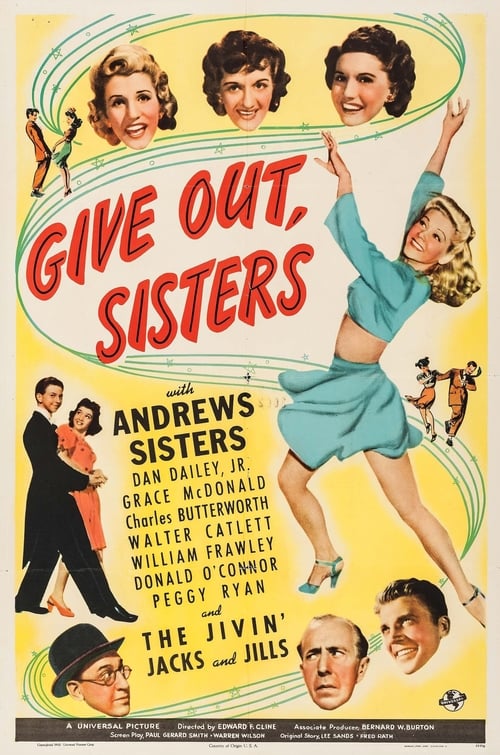
Give Out, Sisters is a typical 1940s musical comedy that prioritizes escapism over social critique. While it highlights the professional capabilities of The Andrews Sisters, the film adheres closely to the social norms of its time. The story focuses on maintaining class reputation and traditional courtship, reinforcing the existing social hierarchy rather than challenging it. Ultimately, the film upholds the status quo through its narrative and casting choices.
Category Breakdown
The film includes no queer narratives or characters with non-binary gender identities.
The Andrews Sisters showcase professional competence as headline performers. However, the plot adheres to traditional social roles and family dynamics.
The film reflects the homogeneous casting standards of 1942, with no significant racial diversity or characters of color.
The narrative emphasizes Western social hierarchies and class distinctions. The convent setting is used for comedic misunderstandings without deeper critique.
No visible or invisible disabilities are identified within the character descriptions or narrative context.
Present on Screen
Limited or Absent
Official Synopsis
The Andrews Sisters headline this musical. They play the lead act at a popular nightclub. The trouble begins when they hire a few students from a financially foundering dance school for their newest production. One of the dancers, a rich young socialite, desperately wants to be in it too, but her prurient maiden aunts refuse to allow her to disgrace their family by becoming a common chorine. She and the club owner (who must have the aunt's permission because the girl is underage) try to convince them, but it's not easy.
1944

1954
1945
1945

1946

1945

1938

1936
No reviews yet. Be the first to share your thoughts on this movie!
Use the rating form above to leave a star rating and optional review.