
Hit the Deck
1929
No user ratings available yet
Representation score: 1.8 out of 10
Representation Score
Minimal
1929
NRDirector
A. Edward Sutherland
Runtime
61 minutes
Average Rating
No ratings yetNew Showbiz Analysis
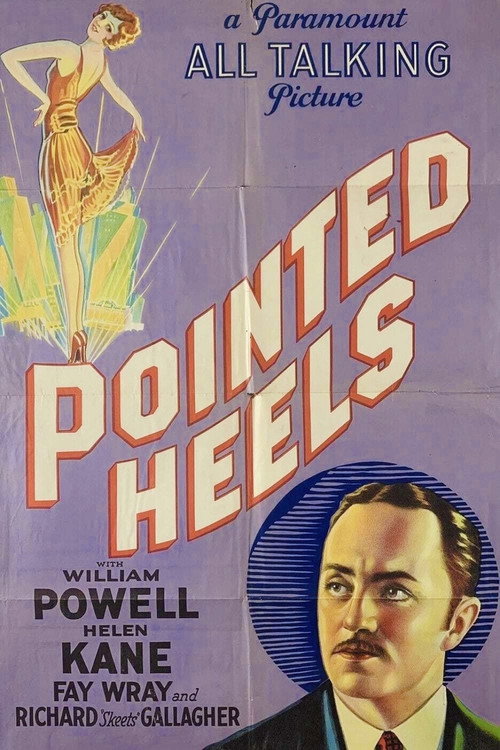
Pointed Heels is a typical romantic comedy of its time, adhering to the social and demographic norms of 1929. The narrative structure emphasizes traditional romantic formulas and reinforces established class and gender hierarchies. The film operates within the standard studio system of its era, providing minimal disruption to conventional social frameworks. It centers on a wealthy socialite and a showgirl, highlighting traditional Western archetypes. Ultimately, the work mirrors the homogeneous demographic standards of the late 1920s rather than challenging them.
Category Breakdown
The film does not include any LGBTQ+ identities or non-straight relationships. The story focuses on heterosexual romance.
Fay Wray's character has professional independence, but the narrative emphasizes male romantic pursuits. Gender dynamics support traditional hierarchies where male influence is central.
The story centers on wealthy white socialites, reflecting the homogeneous demographics of the late 1920s. It highlights upper-class Western archetypes.
The film upholds traditional Western social structures and the intersection of wealth and entertainment. It promotes conventional moral conduct and social etiquette.
There is no depiction of physical or neurodivergent characters in this film.
Present on Screen
Limited or Absent
Official Synopsis
Fay Wray plays a beautiful showgirl who falls for a rich Park Avenue guy played by Phillips Holmes. William Powell is a producer in love with Miss Wray, but he won't use his influence to take any advantage... as usual, he's a perfect gentleman.
1929
1935

1935
1933
1930

1934

1934
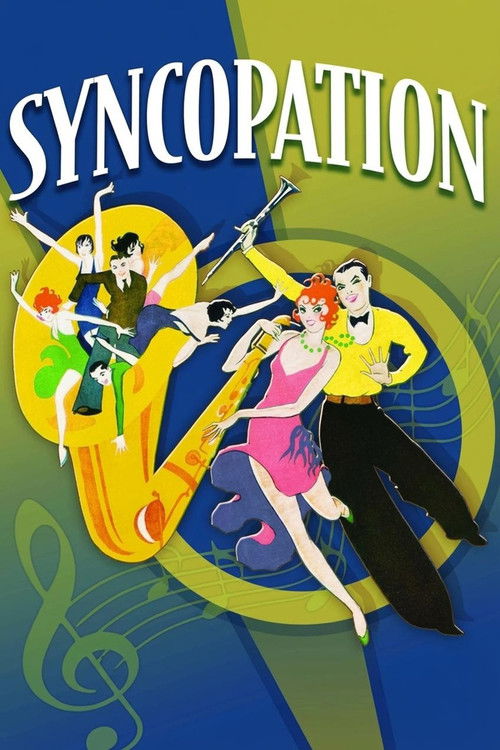
1929
No reviews yet. Be the first to share your thoughts on this movie!
Use the rating form above to leave a star rating and optional review.