Melody and Moonlight
1940
No user ratings available yet
Representation score: 1.1 out of 10
Representation Score
Minimal
1945
ApprovedDirector
Frank McDonald
Runtime
67 minutes
Average Rating
No ratings yetNew Showbiz Analysis
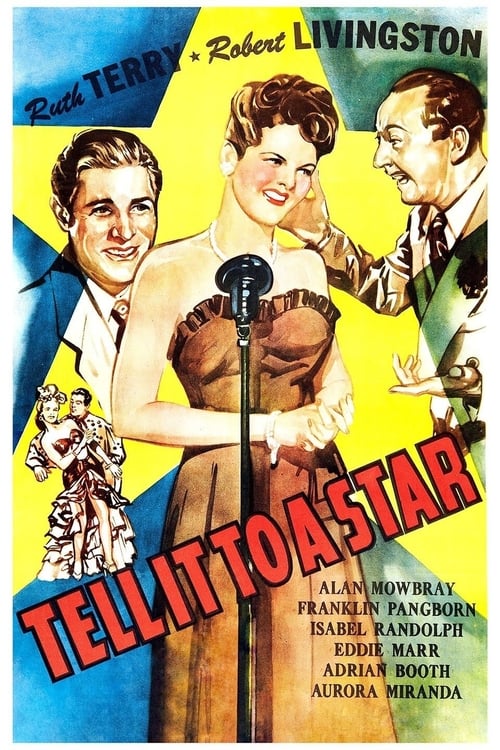
Tell It to a Star is a quintessential product of the mid-1940s studio system, prioritizing conventional musical comedy clichés over any meaningful social or systemic subversion. While the film provides a central female character with professional ambitions, it fails to challenge the era's rigid social hierarchies. The narrative remains anchored in a homogeneous, white, and able-bodied world, offering a narrow view of success that reinforces the status quo of its time.
Category Breakdown
The film does not include any queer identities or subtext, operating within a strictly heterosexual framework.
The female protagonist, Carol, drives the plot through her singing ambitions, but her success remains tied to seeking validation from male authority figures.
The production reflects the homogeneous casting standards of 1945, focusing on a privileged, predominantly white social class in Palm Springs.
The story reinforces traditional Western values and capitalist frameworks, emphasizing individual ambition and the importance of family connections within established social structures.
The characters function within a standard able-bodied framework, with no portrayal of physical disabilities or neurodivergence in the central plot.
Present on Screen
Limited or Absent
Official Synopsis
Carol (Ruth Terry), the cigarette girl at a swank Palm Springs hotel, dreams of singing in the establishment's nightclub. She gets a chance when her well-to-do uncle, "Colonel" Morgan (Alan Mowbray), and a pal blow into town ... until their visit turns out to be a con job. Carol's voice impresses the bandleader (Robert Livingston), but the hotel manager (Franklin Pangborn), still smarting from Morgan's chicanery, isn't ready to give her a chance.
1940
1946

1946
1942

1934
1939
1947
1933
No reviews yet. Be the first to share your thoughts on this movie!
Use the rating form above to leave a star rating and optional review.