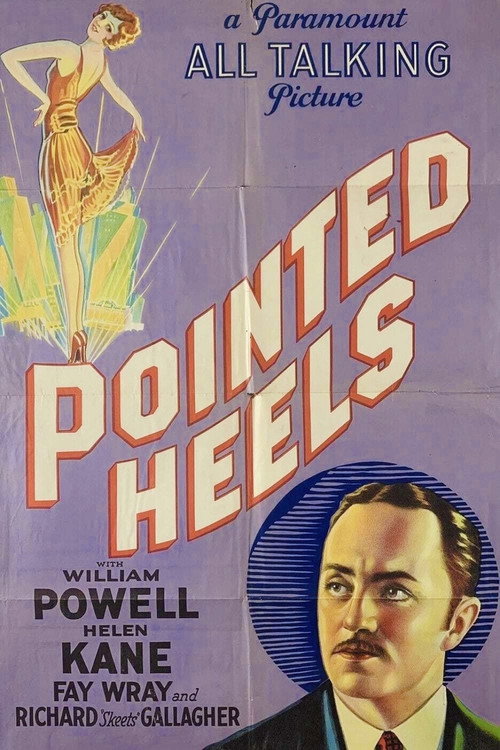
Pointed Heels
1929
No user ratings available yet
Diversity score: 2.3 out of 10

1929
NRDirector
Millard Webb
Runtime
95 minutes
Average Rating
No ratings yetSynopsis
A young woman, who wants to be in the Follies, is making ends meet by working at a department store's sheet music department, where she sings the latest hits. She is accompanied on piano by her childhood boyfriend, who is in love with her, despite her single-minded interest in her career. When a vaudeville performer asks her to join him as his new partner, she sees it as an opportunity to make her dream come true. Upon arriving in New York City, our heroine finds out that her new partner is only interested in sleeping with her and makes this a condition of making her a star. Soon, however, she is discovered by a representative of Ziegfeld.
Overall Score
Limited
Category Breakdown
LGBTQ+ Representation
The film centers on traditional heterosexual romantic tension. There is no evidence of queer narratives or non-cisnormative identities present in the story.
Gender Representation
The protagonist shows professional ambition, disrupting the passive female trope. However, the plot relies on a predatory male character attempting to commodify her sexuality.
Racial & Ethnic Diversity
The narrative focuses on a singular protagonist within the American entertainment industry. It lacks mention of a diverse cast or non-white performers.
Religious & Cultural Diversity
The film celebrates early 20th-century American commercialism and the pursuit of stardom. It reinforces traditional notions of success and upward mobility.
Disability Representation
There is no information available regarding the portrayal of characters with physical or neurodivergent disabilities.
Strengths
Areas for Improvement
AI Analysis
The film acts as a period-specific artifact that largely reinforces the social and demographic hierarchies of the late 1920s. While the heroine displays professional drive, the narrative remains anchored in conventional structures. Representation is limited by the era's homogeneous casting norms and heteronormative social standards. The story prioritizes a singular, idealized vision of American success through capitalist structures like vaudeville and Ziegfeld productions. Ultimately, the film lacks meaningful diversity, focusing instead on a traditional dream-realization arc that avoids deconstructing Western institutions or exploring non-traditional identities.
1929
1938
1936
1942

1935
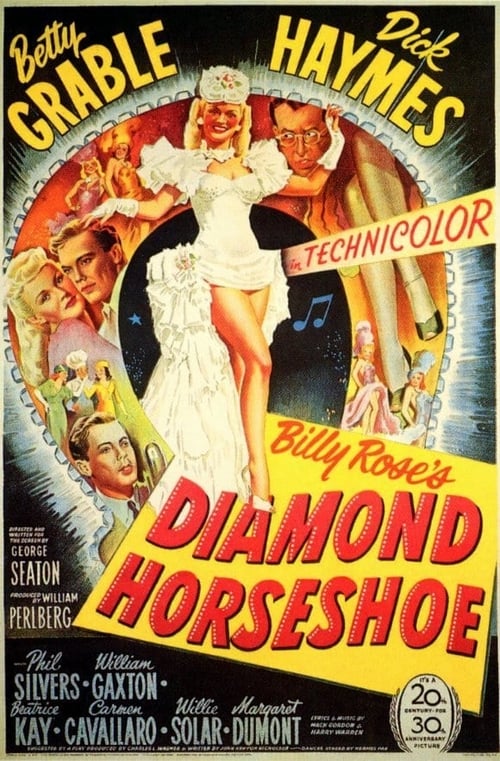
1945
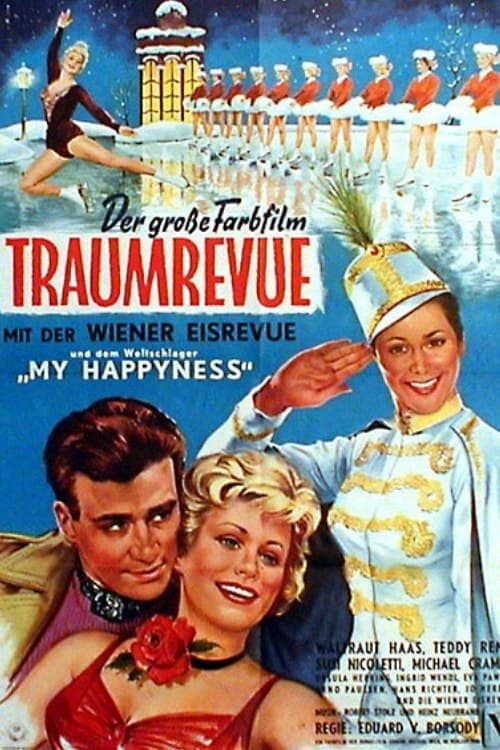
1959
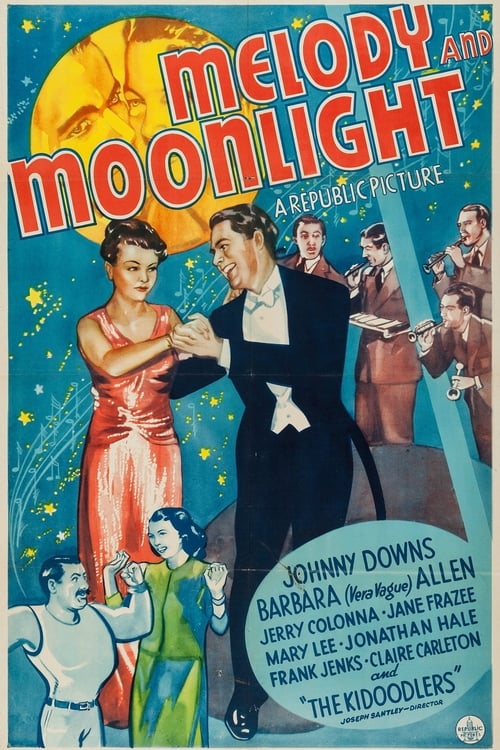
1940
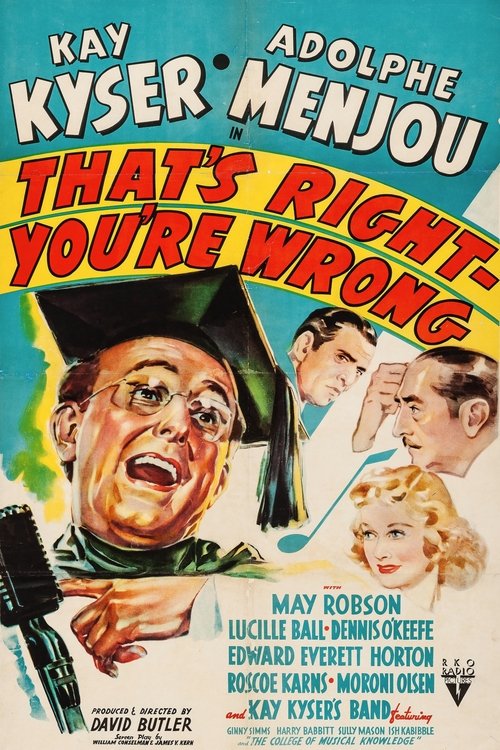
1939

1934

1929
1937
No reviews yet. Be the first to share your thoughts on this movie!
Use the rating form above to leave a star rating and optional review.