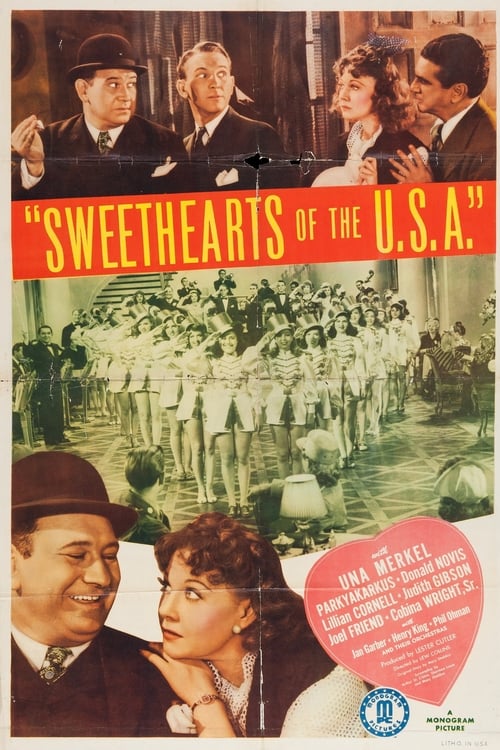
Sweethearts of the U.S.A.
1944
No user ratings available yet
Representation score: 2.7 out of 10
No Poster Available
Representation Score
Minimal
1944
ApprovedDirector
Edward F. Cline
Runtime
61 minutes
Average Rating
No ratings yetNew Showbiz Analysis
Swingtime Johnny is a classic example of its time, designed for mainstream entertainment and patriotic reinforcement. Its narrative structure is built around traditional hierarchies of gender, race, and social duty. While the film highlights the Andrews Sisters' professional visibility and influence, it primarily upholds the cultural norms of the 1940s. It does not aim to disrupt these norms. Ultimately, the film promotes social cohesion and national duty through wartime industry and musical entertainment.
Category Breakdown
The film follows the heterosexual and cisgender norms of the 1940s. There is no indication of diverse gender identities or same-sex relationships.
The Andrews Sisters play key roles as central performers. However, the story centers on typical romantic relationships and traditional gender roles.
The film reflects the uniform casting practices of the wartime period. It does not challenge the era's racial norms or social hierarchies.
The story serves as wartime morale-boosting media, reinforcing traditional Western institutions such as patriotism and collective effort in the war industry.
There are no characters with visible or invisible disabilities in the film. It focuses on able-bodied performers and factory workers using standard comedic formulas.
Present on Screen
Limited or Absent
Official Synopsis
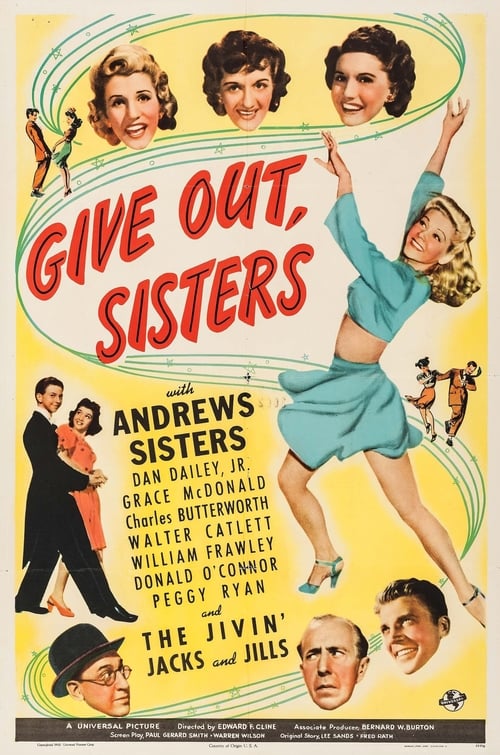
The Andrews Sisters take a hiatus from show business to aid the war effort. They take on jobs at a pipe-organ plant now making artillery shells. But they still find time for plenty of singing and dancing.
1944
1954
1942
1954
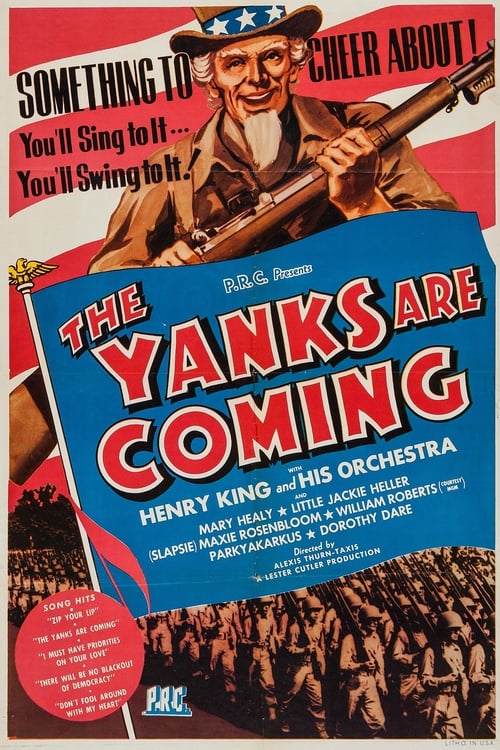
1942
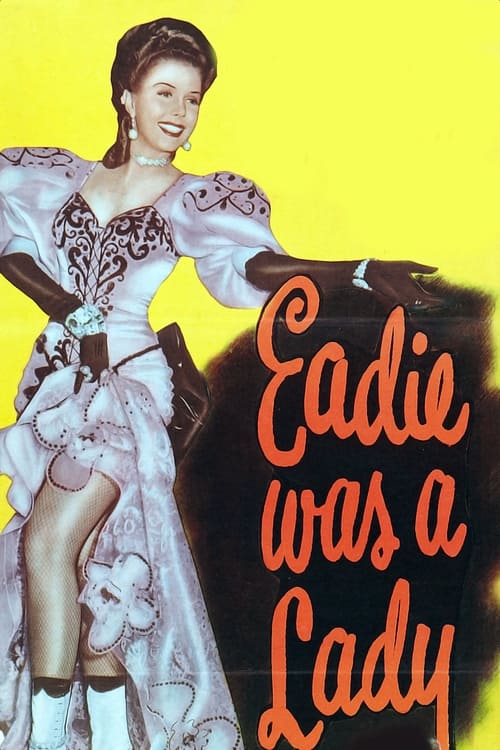
1945
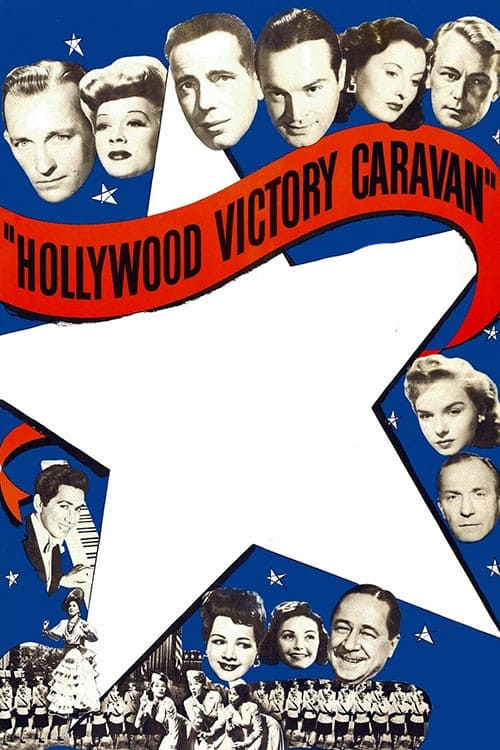
1945
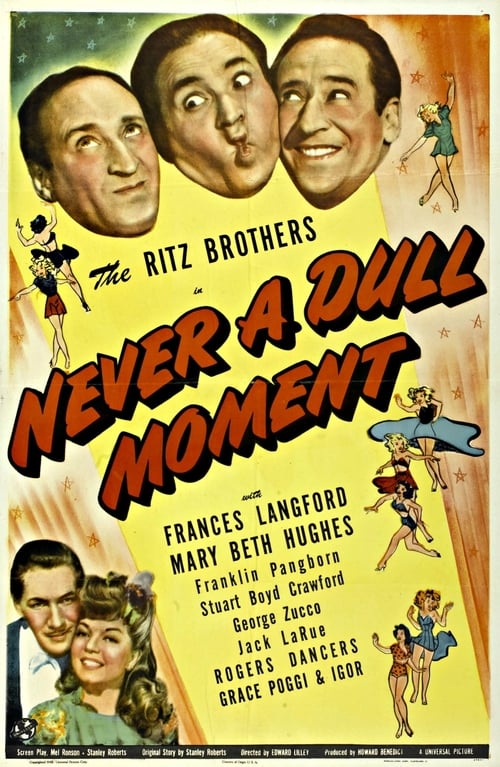
1943
No reviews yet. Be the first to share your thoughts on this movie!
Use the rating form above to leave a star rating and optional review.