
Bab'Aziz
2006
No user ratings available yet
Diversity score: 6.9 out of 10
1986
Director
Nacer Khemir
Runtime
95 minutes
Average Rating
No ratings yetSynopsis
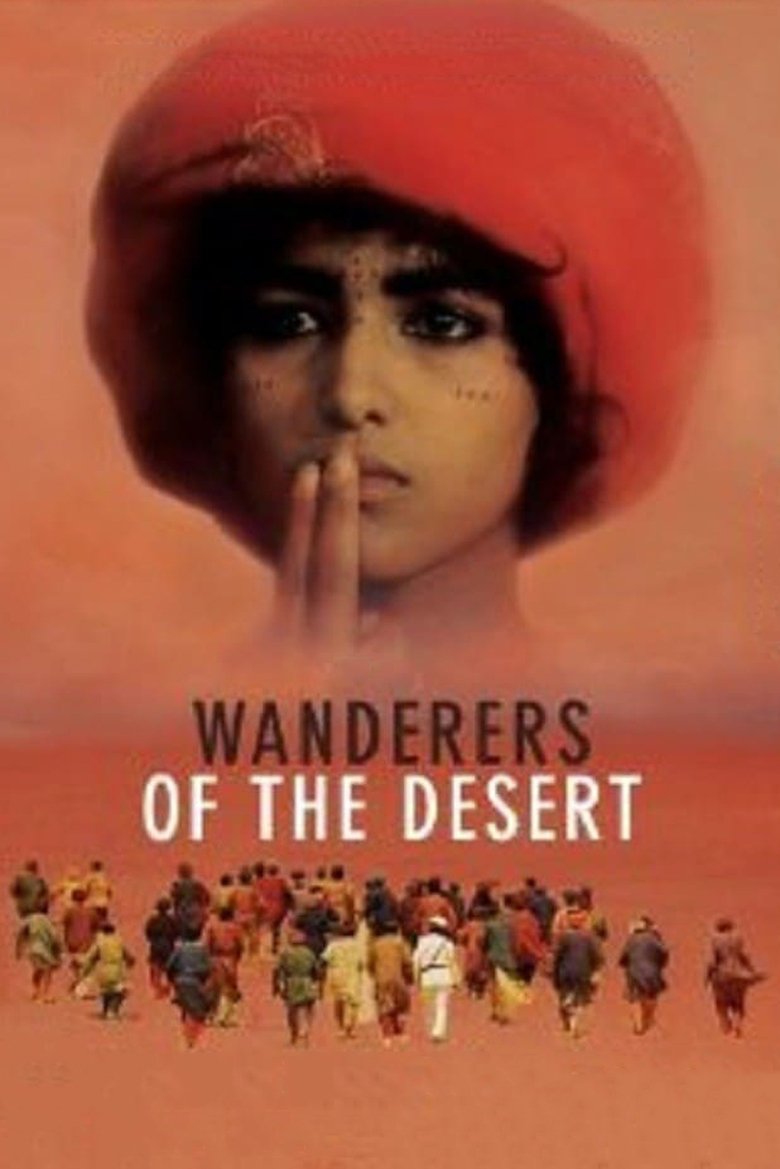
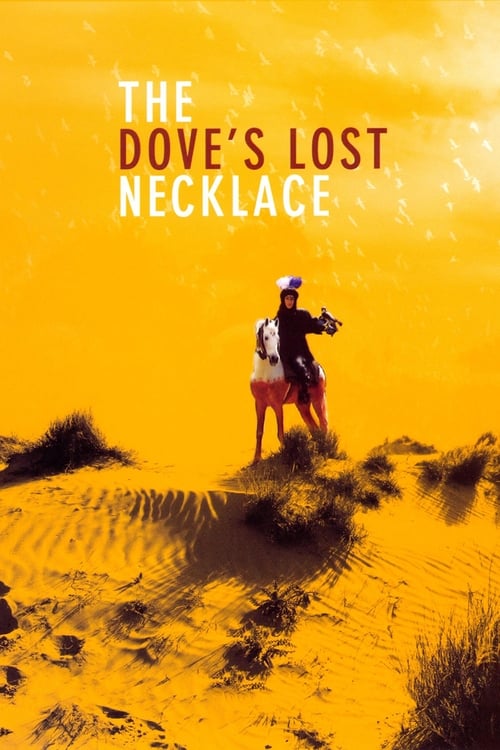
The first of Nacer Khemir's highly-regarded Desert Trilogy that includes The Dove's Lost Necklace and Bab'Aziz - The Prince Who Contemplated His Soul. Khemir creates an exotic world with Wanderers of the Desert when a young teacher arrives to take over a village school isolated in the shimmering desert. Legendary figures materialize out of wells and the desert itself, groups of children hurry through a labyrinth of underground corridors, the teacher is whisked away to a mysterious rendezvous and never returns.
Overall Score
Good
Category Breakdown
LGBTQ+ Representation
The film focuses on nomadic existence and spiritual mysticism. While it lacks explicit depictions of same-sex intimacy, its departure from heteronormative Western storytelling allows for a more fluid approach to character connections.
Gender Representation
The narrative disrupts traditional hierarchies by prioritizing myth and spiritual longing over rigid social roles. Character agency is tied to metaphysical connections rather than adherence to traditional gendered functions.
Racial & Ethnic Diversity
This work excels in centering North African and Arab identities. It functions as cultural reclamation, utilizing a non-Anglo-Saxon cast to deconstruct colonialist tropes of the desert landscape.
Religious & Cultural Diversity
The film embraces Sufi-inflected mysticism and non-linear, mythic structures. It challenges Western rationalism by framing traditional nomadic ways of life as a vital counter-narrative to modernity.
Disability Representation
There is no significant evidence regarding the portrayal of physical or neurodivergent disabilities within the film's thematic overview.
Strengths
Areas for Improvement
AI Analysis
Nacer Khemir’s work is a profound act of cultural reclamation. By centering North African identities and Sufi mysticism, the film successfully subverts Eurocentric narrative frameworks and colonialist tropes of the desert. The film's strength lies in its structural rejection of Western cinematic norms. It replaces traditional, plot-driven storytelling with a poetic, non-linear approach that prioritizes spiritual depth and indigenous mythology. However, the film lacks overt representation regarding LGBTQ+ identities and disability. While it avoids reinforcing patriarchal tropes, it does not explicitly engage with modern identity politics or specific marginalized social identities.
2006
1992
1986
2018

1964
1968

2013
2016
1975
2000
1986
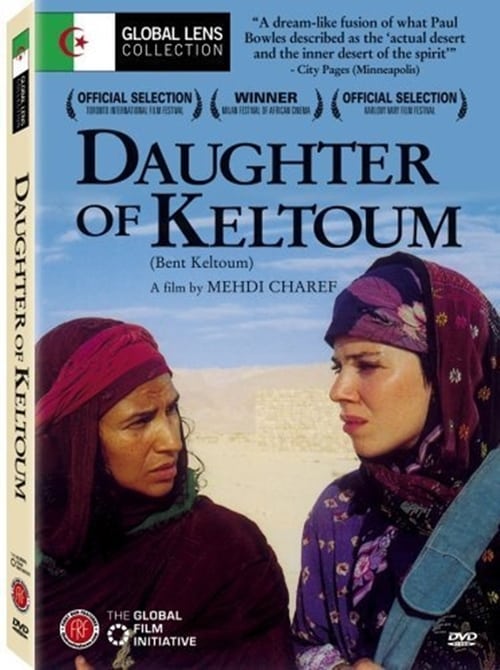
2001
No reviews yet. Be the first to share your thoughts on this movie!
Use the rating form above to leave a star rating and optional review.