Honey
2010
No user ratings available yet
Representation score: 3.0 out of 10
Representation Score
Fair
2000
Director
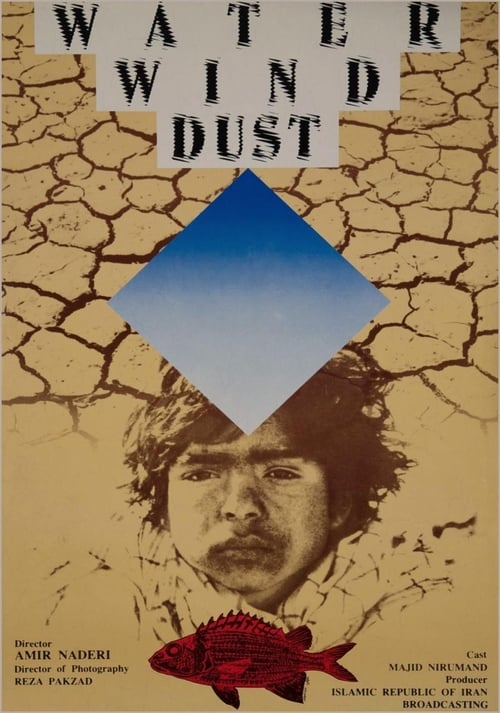
Amir Naderi
Runtime
75 minutes
Average Rating
No ratings yetNew Showbiz Analysis
Amir Naderi’s work stands as a significant contribution to non-Western cinema, effectively challenging Hollywood's dominant narrative structure. The film's strength lies in its cultural authenticity and its exploration of the intersection between human ability to act and environmental crisis. However, the film lacks diversity in terms of gender and LGBTQ+ representation. The perspective remains focused on a singular male protagonist, limiting the exploration of diverse identities. Ultimately, the film excels at offering a regional, Iranian perspective that challenges Western-centric norms, despite its narrow character demographics.
Category Breakdown
The film focuses on a single protagonist navigating a desolate landscape. There are no visible LGBTQ+ characters or themes that challenge the assumption that everyone is straight or cisgender.
The story revolves around a young male protagonist. The film lacks detailed depictions of female characters or challenges to traditional gender roles.
As part of Iranian cinema, the film showcases a non-Western cultural landscape. It breaks away from Western-centric storytelling by focusing on a local village setting.
The film examines environmental and systemic collapse through a rural perspective. It offers an existential morality that avoids Western-centric religious or capitalist frameworks.
There is no evidence of characters with visible or invisible disabilities in the provided context.
Present on Screen
Limited or Absent
Official Synopsis
A young teenager returns home after an absence to find his village in Iran deserted because of an incredibly severe drought. He begins a search to find his family, traveling through an amazingly bleak and desolate landscape. Primarily an essay on the issue of humans vs. nature, the film is of interest for technical and cultural reasons.
2010
1963
2006
1971

2016
2005
2006

1984
No reviews yet. Be the first to share your thoughts on this movie!
Use the rating form above to leave a star rating and optional review.