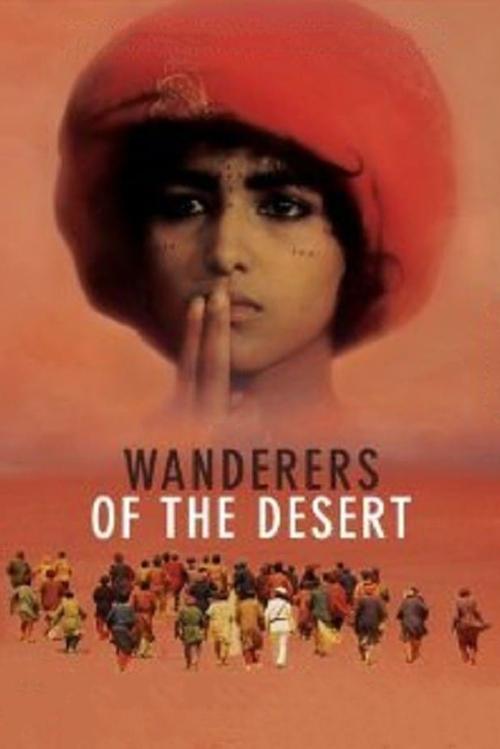
Wanderers of the Desert
1986
No user ratings available yet
Representation score: 6.2 out of 10

Representation Score
Excellent
2006
Not RatedDirector
Nacer Khemir
Runtime
96 minutes
Average Rating
No ratings yetNew Showbiz Analysis
Bab'Aziz is a profound exploration of cultural authenticity, focusing on North African aesthetics and Sufi-inspired mysticism. By using an indigenous cast and setting, Nacer Khemir avoids the Western gaze, creating a space for non-materialist, nomadic storytelling. The film's greatest strength lies in its nuanced handling of disability and gender. Bab'Aziz is a powerful protagonist whose blindness is a source of spiritual ability to act rather than pity, while Ishtar provides a vital, active presence in the desert journey. However, the film lacks engagement with queer identities or modern political themes. While it challenges Western socioeconomic hierarchies, it remains focused on a traditional spiritual framework that does not explore LGBTQ+ themes.
Category Breakdown
The film does not include explicit LGBTQ+ characters or relationships that challenge the assumption that everyone is straight or cisgender. Instead, it focuses on the spiritual bond between Bab'Aziz and Ishtar.
Ishtar plays a significant role in the story, demonstrating strong ability to act as a companion rather than a passive observer. The film avoids traditional patriarchal clichés by emphasizing her spiritual strength.
The film features an entirely North African cast and setting, celebrating indigenous identity through Middle Eastern folklore. It avoids the whitewashing common in global cinema.
The story prioritizes Sufi-inspired mysticism over organized religion. Its dreamlike structure serves as a post-colonial reclamation of narrative ability to act and myth.
Bab'Aziz's blindness is portrayed as a heightened state of spiritual perception rather than a deficit. His disability is integrated into his identity as a source of wisdom.
Present on Screen
Limited or Absent
Official Synopsis
The story of a blind dervish named Bab'Aziz and his spirited granddaughter, Ishtar. Together they wander the desert in search of a great reunion of dervishes that takes place just once every thirty years. With faith as their only guide, the two journey for days through the expansive, barren landscape.
1986

1959
2007

2010
2001

2005

2006

2010
No reviews yet. Be the first to share your thoughts on this movie!
Use the rating form above to leave a star rating and optional review.