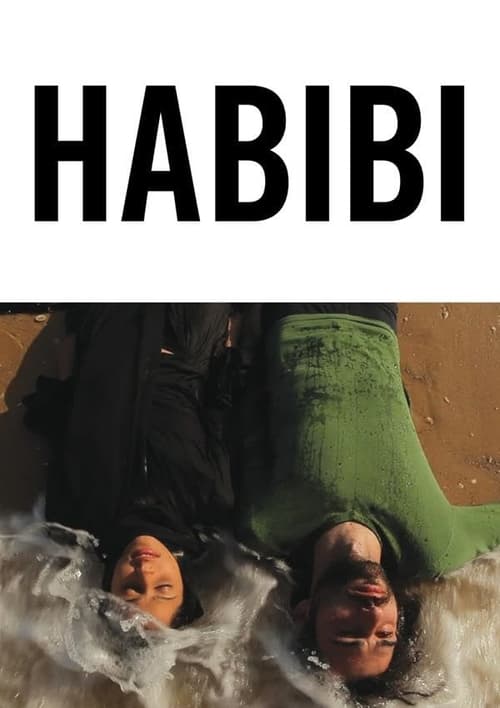
Habibi
2011
No user ratings available yet
Representation score: 6.6 out of 10
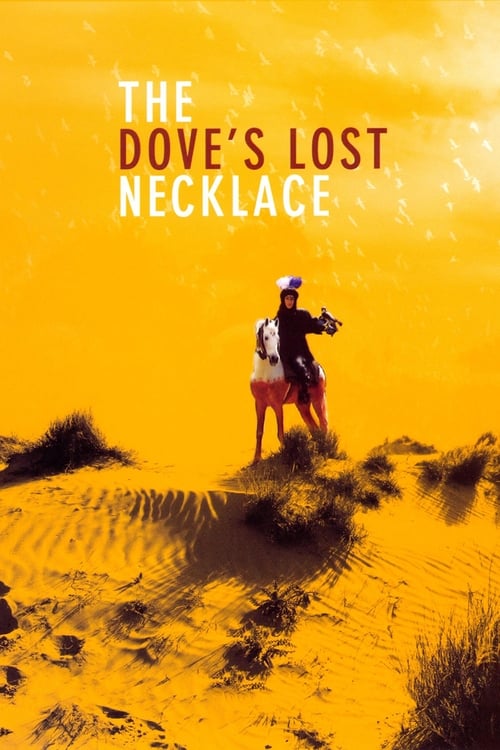
Representation Score
Good
1992
Not RatedDirector
Nacer Khemir
Runtime
86 minutes
Average Rating
No ratings yetNew Showbiz Analysis
Nacer Khemir’s film is a poetic reclamation of North African identity that rejects Western cinematic norms. It replaces linear, plot-driven structures with a dreamlike architecture rooted in Sufi mysticism and oral traditions. The film excels in its cultural expression, centering indigenous aesthetics and non-Western knowledge systems. By focusing on the spiritual pursuit of beauty and calligraphy, it offers a sophisticated deconstruction of traditional storytelling norms. While the film lacks contemporary LGBTQ+ narratives or disability representation, its profound impact lies in its post-colonial reclamation of Arab intellectual and spiritual depth.
Category Breakdown
The film focuses on classical romanticism and Sufi allegory. It does not explicitly depict non-traditional gender identities or modern LGBTQ+ storylines.
Gender roles are portrayed through mythic archetypes rather than everyday social dynamics. The protagonist avoids traditional masculine dominance by emphasizing vulnerability and spiritual longing.
This work highlights North African and Arab identity exceptionally well. It challenges a Western-centric perspective by centering an indigenous cast and worldview.
The narrative emphasizes Sufi mysticism and spiritual subjectivity over Western rationalism. It uses rhythmic, visual poetry to align with indigenous storytelling traditions.
There are no prominent depictions of physical or neurodivergent disabilities in the narrative.
Present on Screen
Limited or Absent
Official Synopsis
The story revolves around Hassan, who is studying Arabic calligraphy from a grand master. Coming across a manuscript fragment, Hassan searches for the missing pieces, believing that once he finds them, he will learn the secrets of love.
2011
1965
2001
1974
2006
2005

2021

2005
No reviews yet. Be the first to share your thoughts on this movie!
Use the rating form above to leave a star rating and optional review.