
Barren Lives
1963
No user ratings available yet
Representation score: 7.8 out of 10
Representation Score
Good
1975
Director
Haile Gerima
Runtime
150 minutes
Average Rating
No ratings yetNew Showbiz Analysis
Haile Gerima’s film is a vital disruption to Western cinematic hegemony. By utilizing documentary and storytelling techniques, it centers the lived experiences of Ethiopian peasants rather than viewing them through a colonial lens. The film excels in racial and cultural representation, providing a sophisticated study of ability to act and systemic endurance. It replaces the typical spectacle of the Global South with a meditative, authentic exploration of agrarian life. While the film offers deep cultural immersion, it lacks explicit information regarding LGBTQ+ or disability representation. Its primary impact remains its commitment to decolonizing the cinematic narrative.
Category Breakdown
The film focuses on the communal lives of Ethiopian peasants. There is no explicit evidence of LGBTQ+ narratives or non-cisgender identities within the provided details.
The narrative explores the labor and domestic roles essential to rural existence. It highlights the ability to act of women within agricultural frameworks, challenging male-centric Western drama clichés.
This work provides actively leading representation by centering an Ethiopian cast. It disrupts the Anglo-centric canon by focusing on the specific socio-economic realities of non-Western cultures.
The film aligns with post-colonial frameworks by highlighting the friction between traditional lifestyles and systemic forces. It prioritizes a critique of struggle through a lens of socio-economic reality.
There is no specific information regarding the portrayal of physical or neurodivergent disabilities in this work.
Present on Screen
Limited or Absent
Official Synopsis
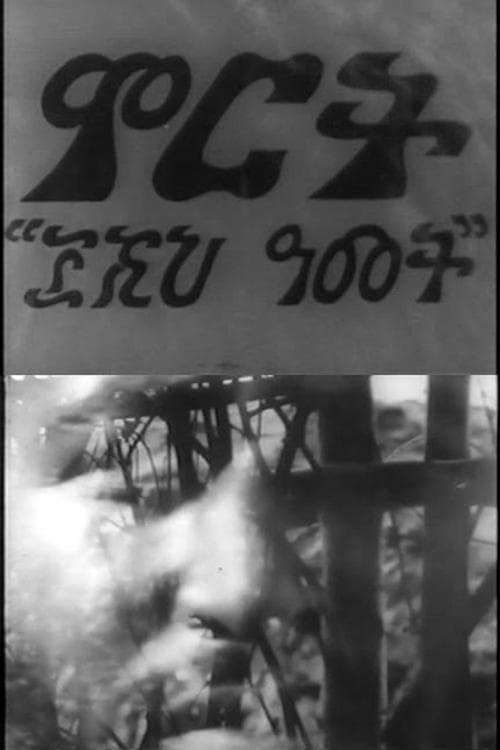
In this meditative film the everyday lives of poor Ethiopian peasants are shown using documentary as well as storytelling techniques, with its drama arising out of the timeless yet persistent issues of their lives.
1963
1978

1959

1978

2008

1964
1981

1987
No reviews yet. Be the first to share your thoughts on this movie!
Use the rating form above to leave a star rating and optional review.