The Orphanage
2019
No user ratings available yet
Diversity score: 7.0 out of 10
2016
Director
Shahrbanoo Sadat
Runtime
86 minutes
Average Rating
No ratings yetSynopsis
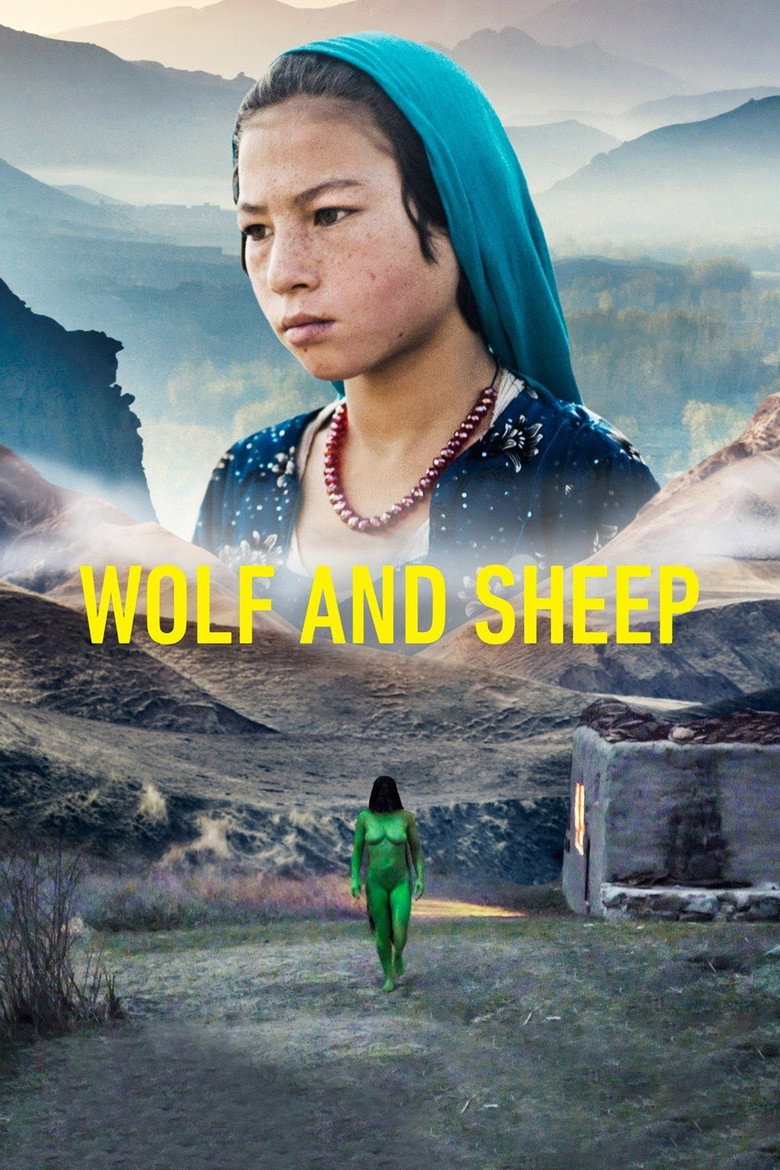
In rural Afghanistan, people are storytellers who make up and tell each other tales of mystery and imagination to explain the world in which they live. The shepherd children own the mountains and, although no adults are around, they know the rules; they know that boys and girls are not allowed to be together. The boys practice with their slings to fight wolves. The girls smoke secretly and play at getting married, dreaming of finding a husband soon. They gossip about Sediqa; she’s eleven years old and an outsider. The girls think she is cursed. Qodrat, also eleven years old, becomes the subject of gossip when his mother remarries an old man with two wives. Qodrat roams alone in the most isolated parts of the mountains, where he meets Sediqa and they become friends.
Overall Score
Good
Category Breakdown
LGBTQ+ Representation
The film depicts children testing social boundaries through play. While explicit non-heteronormative identities are absent, the narrative explores how children perform gender roles to navigate a restrictive environment.
Gender Representation
The story centers the agency of young girls who engage in secret rebellions, such as smoking, to assert autonomy. It challenges female passivity by highlighting the internal lives of girls facing social pressures.
Racial & Ethnic Diversity
The film offers high ethnic specificity by centering an Afghan cast and setting. It avoids a Western gaze, focusing instead on the cultural nuances of rural mountain life.
Religious & Cultural Diversity
The narrative uses a post-colonial lens to critique rigid social structures and community gossip. It explores how traditional family hierarchies and communal rules impact individual survival and identity.
Disability Representation
There is no explicit evidence regarding the portrayal of physical or neurodivergent disabilities within the narrative.
Strengths
Areas for Improvement
AI Analysis
Wolf and Sheep succeeds by centering the lived experiences of marginalized Afghan youth. It avoids Western cinematic tropes, instead providing a nuanced look at how children navigate complex social and gendered landscapes through small acts of rebellion. The film excels in ethnic and cultural specificity, moving beyond tokenism to present a deeply embedded regional identity. By focusing on the subjective experiences of outsiders like Sediqa and Qodrat, it critiques traditional communal hierarchies. While the film lacks explicit LGBTQ+ identities or disability representation, its strength lies in its intersectional approach to childhood agency and social survival.
2019
2017
1996

2006
2019
2015
2021
2013
2019
2021
2019
2001
No reviews yet. Be the first to share your thoughts on this movie!
Use the rating form above to leave a star rating and optional review.