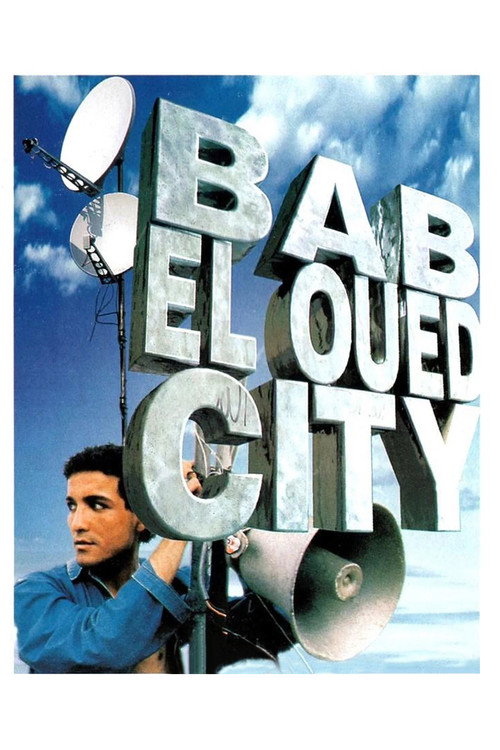
Bab El Oued City
1994
No user ratings available yet
Representation score: 4.4 out of 10

Representation Score
Fair
2013
Director
Merzak Allouache
Runtime
94 minutes
Average Rating
No ratings yetNew Showbiz Analysis
The Rooftops stands as a significant piece of decolonial cinema. By centering the narrative entirely within the Algerian urban landscape, it successfully disrupts Western-centric storytelling norms and prioritizes North African lived experiences. The film's strength lies in its social realism, which provides a sophisticated look at identity within a post-colonial environment. It challenges traditional hierarchies by focusing on the interaction between individual ability to act and systemic societal structures. While the film excels in racial and cultural authenticity, it lacks specific evidence regarding LGBTQ+ or disability representation. This creates a profile of high ethnic ability to act but limited visibility for other specific identity markers.
Category Breakdown
The film avoids common Western stereotypes through its social realist approach. There is no clear depiction of same-sex relationships or queer-focused storylines.
The narrative challenges traditional gender roles by focusing on characters navigating urban life. It moves away from submissive female archetypes toward more independent figures.
This work provides a deep exploration of post-colonial identity. By centering the Algerian landscape, it rejects the Western perspective in favor of North African ability to act.
The film examines the tension between traditional religious structures and modern urban life. It favors moral relativism over a single, traditional moral viewpoint.
There is no information available regarding the portrayal of physical disabilities or neurodivergence in this film.
Present on Screen
Limited or Absent
Official Synopsis
A sprawling, masterful depiction of a day in the life of Algiers by arguably Algeria’s greatest living filmmaker, Merzak Allouache.
1994
2012
2017
2010
2013

2017
2003
2001
No reviews yet. Be the first to share your thoughts on this movie!
Use the rating form above to leave a star rating and optional review.