
Wanderers of the Desert
1986
No user ratings available yet
Diversity score: 7.3 out of 10
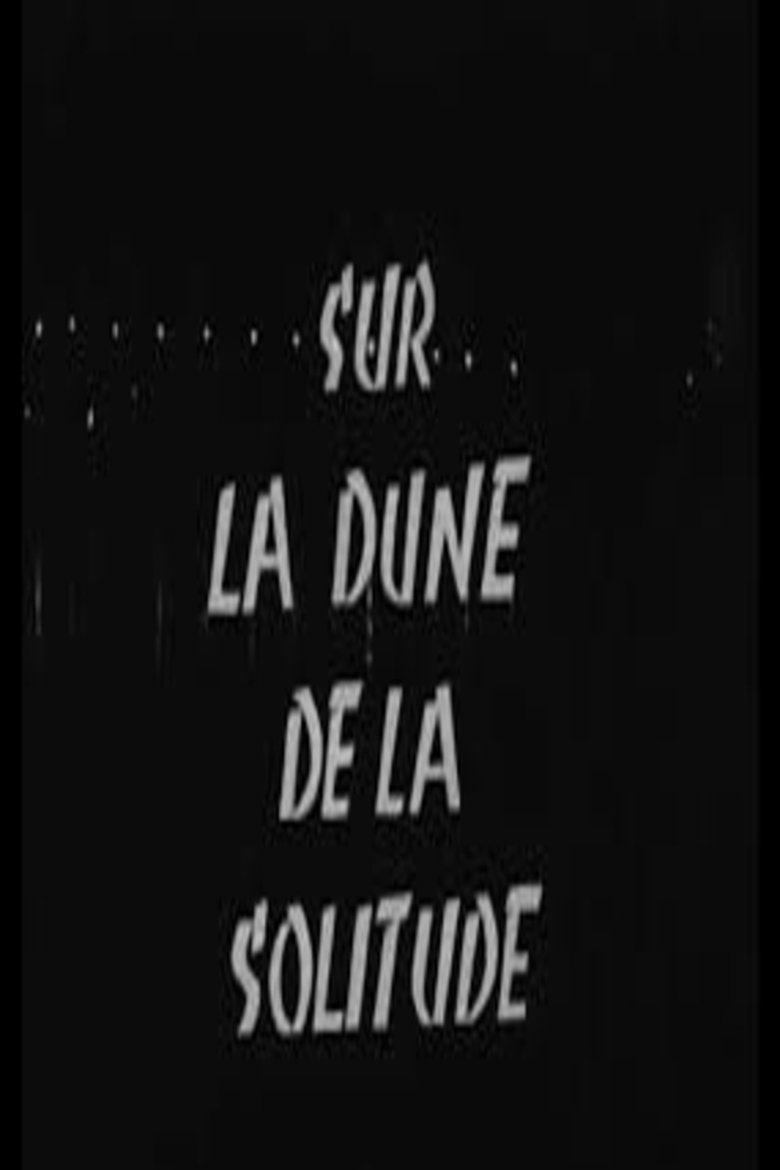
1964
Director
Timité Bassori
Runtime
32 minutes
Average Rating
No ratings yetSynopsis
Suggested by Mama Watta, a legendary water goddess who seduces men into captivity, the film depicts the symbolic encounter of a man and a woman one night on the beach. The two share dreams on the sand but with daylight comes disorientation and death.
Overall Score
Good
Category Breakdown
LGBTQ+ Representation
The film focuses on a symbolic encounter between a man and a woman. There is no explicit depiction of non-heteronormative identities or same-sex intimacy within the narrative.
Gender Representation
The story disrupts traditional hierarchies by centering Mama Watta, a powerful water goddess. This female deity acts as a seductive and predatory force that drives the plot.
Racial & Ethnic Diversity
The film prioritizes indigenous perspectives by utilizing West African mythology. This approach moves away from the Western gaze and emphasizes local folklore and spiritualism.
Religious & Cultural Diversity
The narrative challenges Western rationalism through a dream-like, symbolic reality. It utilizes non-Western spiritualism and a complex moral framework centered on legendary deities.
Disability Representation
The film provides no information regarding characters with visible or invisible disabilities.
Strengths
Areas for Improvement
AI Analysis
Timité Bassori’s work serves as a significant departure from the Eurocentric cinematic norms of the 1960s. By centering West African mythology and the goddess Mama Watta, the film subverts Western-centric storytelling and traditional gender hierarchies. The narrative prioritizes indigenous ontological perspectives over linear Western logic. While the film excels in cultural and racial positioning, it remains limited in its depiction of diverse identities. The focus on a singular symbolic encounter between a man and a woman leaves little room for broader representation of LGBTQ+ or disability themes.
1986
1968

1973

2015

1971
1993

1976

1984

1998

1962

1988
1973
No reviews yet. Be the first to share your thoughts on this movie!
Use the rating form above to leave a star rating and optional review.