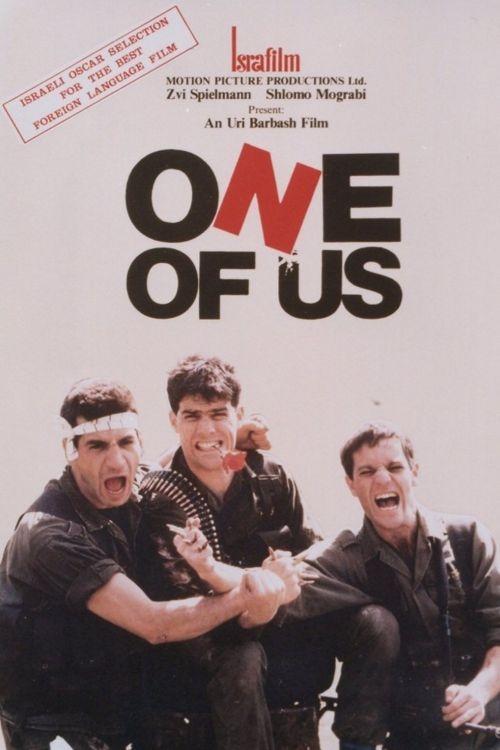
One of Us
1989
No user ratings available yet
Representation score: 4.0 out of 10
Representation Score
Good
1986
Director
Shimon Dotan
Runtime
95 minutes
Average Rating
No ratings yetNew Showbiz Analysis
The film excels in its portrayal of ethnic and cultural complexity, moving beyond simple binaries to explore the human connections between Israelis and Palestinians. By focusing on the ability to act of both the military and the local population, it offers a nuanced look at geopolitical friction. However, the film is limited by a male-dominated perspective and a lack of representation for LGBTQ+ identities. The narrative architecture focuses on political and humanitarian struggles, leaving little room for diverse gender or sexual identities. Ultimately, the work is a strong critique of state authority and institutional power, using individual moral choices to challenge established hierarchies.
Category Breakdown
The film does not include explicit representations of LGBTQ+ identities or relationships. The story focuses primarily on the political tensions between military administration and local activists.
The story centers around male characters but challenges traditional masculinity through Dr. Rami Danon, who emphasizes humanitarian compassion over military dominance.
The film explores the complexities of both Israeli and Palestinian identities. The friendship between Danon and Tuncel Kurtiz highlights the bridging of ethnic divides during wartime.
The film critiques institutional power by depicting military actions as systemic oppression. It emphasizes individual empathy and subjective morality over strict adherence to nationalistic or legal duties.
There are no visible or invisible disabilities portrayed as central to the character arcs within the provided context.
Present on Screen
Limited or Absent
Official Synopsis
This Israeli-made film is set along the battle-torn West Bank. Military governor Makram Khouri tries to flush out some fugitive PLO activists by hanging the rotting, stinking carcass of a dead donkey in a village square. Israeli doctor Rami Danon forgets his animosity towards the PLO and, out of compassion, cuts the carcass down. For disobeying Khouri's orders, Danon becomes as much a fugitive as the Palestinians. While in hiding, Danon befriends Arab hermit Tuncel Kurtiz, whose adopted son is a member of the PLO.
1989
1990
2012
2008
2004

2009

1992
2003
No reviews yet. Be the first to share your thoughts on this movie!
Use the rating form above to leave a star rating and optional review.