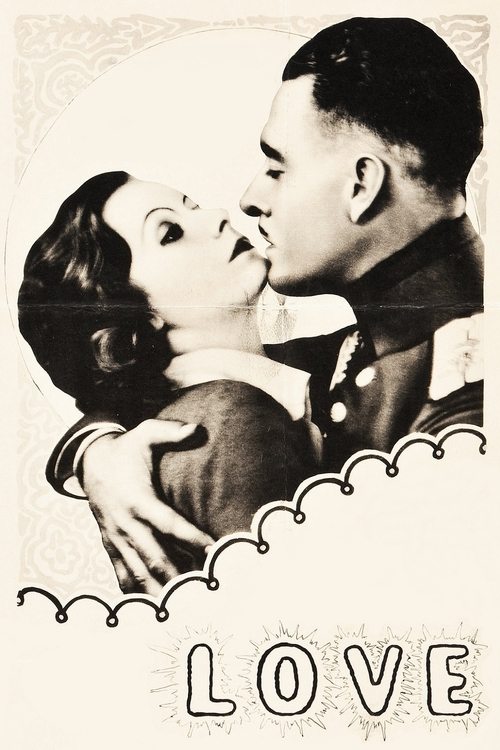
Love
1927
No user ratings available yet
Diversity score: 2.3 out of 10
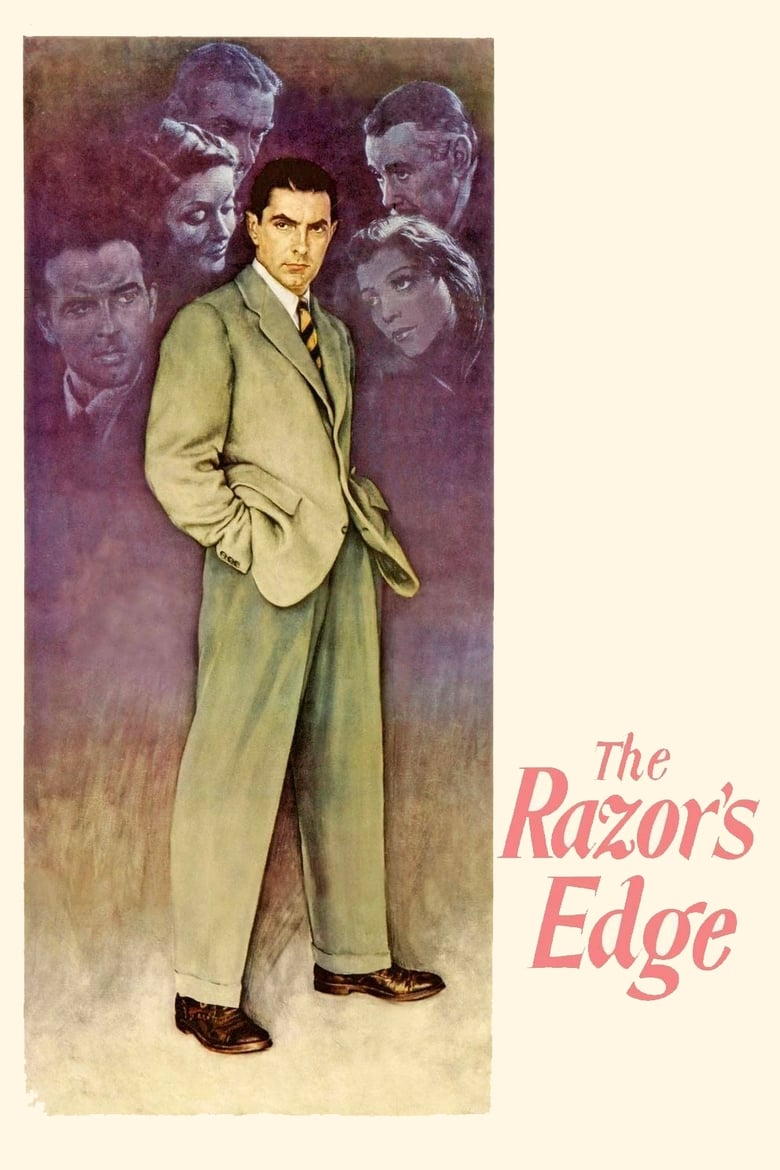
1946
NRDirector
Edmund Goulding
Runtime
145 minutes
Average Rating
No ratings yetSynopsis
An adventurous young man goes off to find himself and loses his socialite fiancée in the process. But when he returns 10 years later, she will stop at nothing to get him back, even though she is already married.
Overall Score
Fair
Category Breakdown
LGBTQ+ Representation
The film focuses entirely on romantic tension between the protagonist and his female counterparts. There is no visible presence of queer subtext or non-cisnormative identities.
Gender Representation
The narrative subverts mid-century norms by centering a male protagonist who rejects patriarchal expectations of marriage and social leadership. It portrays the traditional pursuit of wealth as hollow.
Racial & Ethnic Diversity
The story uses a Western-centric lens to explore Eastern spirituality. While the journey includes India, the culture serves as a backdrop for Western discovery rather than centered ethnic agency.
Religious & Cultural Diversity
The film offers a profound critique of Western materialism and capitalist structures. It prioritizes individual spiritualism and moral relativism over established religious dogma and institutional authority.
Disability Representation
The film explores the psychological aftermath of WWI through the protagonist's disillusionment. It uses war trauma as a catalyst for character growth rather than a mere plot device.
Strengths
Areas for Improvement
AI Analysis
The film excels at deconstructing Western institutional values, specifically capitalism and rigid social hierarchies. By framing the protagonist's non-conformity as liberation rather than failure, it challenges the era's standard for male competence. However, the work is limited by the cinematic constraints of 1946. The exploration of Eastern culture remains filtered through a Western perspective, and there is a complete absence of LGBTQ+ representation.
1927

1954
1956
1957
1964

1955

1955

1933
1934
1942
1939
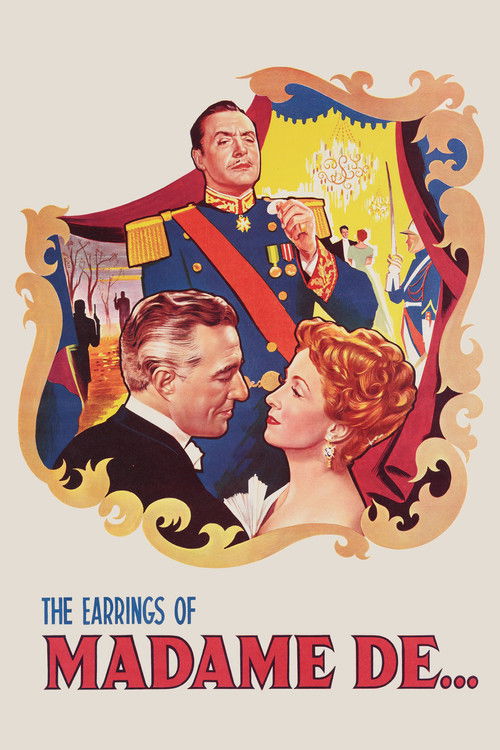
1953
No reviews yet. Be the first to share your thoughts on this movie!
Use the rating form above to leave a star rating and optional review.