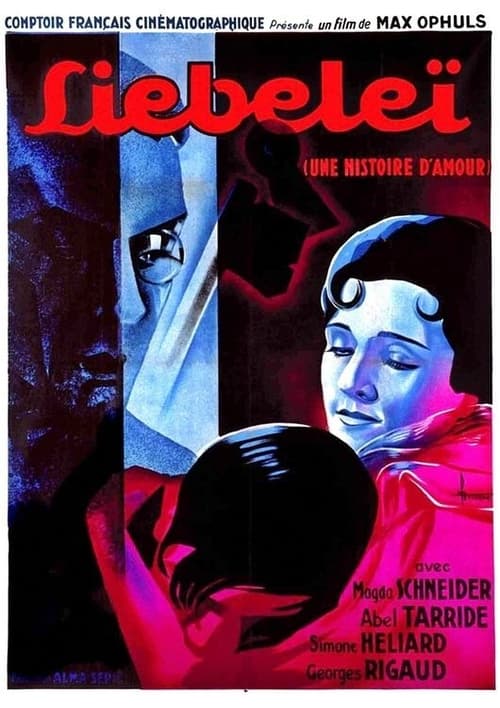
Love Story
1933
No user ratings available yet
Representation score: 1.8 out of 10
Representation Score
Limited
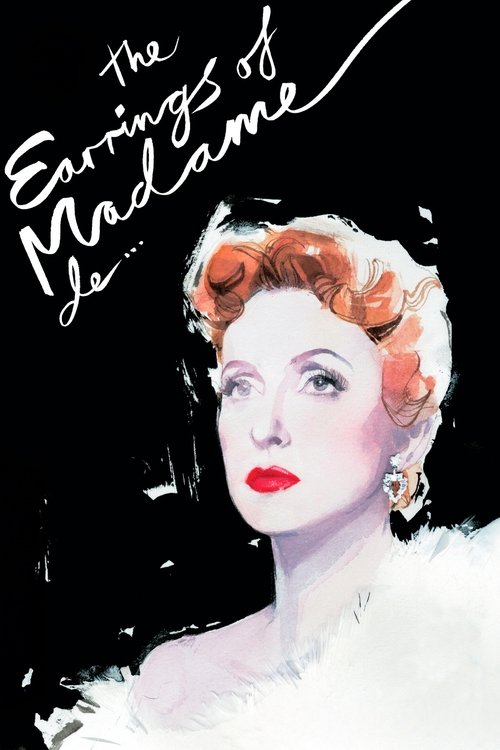
1953
Not RatedDirector
Max Ophüls
Runtime
105 minutes
Average Rating
No ratings yetNew Showbiz Analysis
Max Ophüls creates a sophisticated drama centered on Louise's complex decision-making and psychological autonomy. This approach challenges traditional patriarchal hierarchies typical of period dramas. However, the film's strict adherence to its 19th-century European setting limits racial and LGBTQ+ diversity. The cast reflects the homogeneous nobility of the time. Ultimately, the film deconstructs moral binaries and gender roles while remaining within a narrow demographic scope.
Category Breakdown
The film follows a traditional straight-centered romantic structure. There is no evidence of queer subtext or non-assuming gender matches what was assigned at birth identities within this historical framework.
The film highlights Louise's strategic decisions and psychological depth, moving beyond the cliché of the passive wife. Her actions drive the emotional and moral complexity of the story.
Set in the 19th-century French aristocracy, the film reflects the homogeneous social structures of the time. It lacks diverse racial representation.
The story examines moral relativism through Louise's deceptions as survival mechanisms. It focuses on individual navigation of class systems without critiquing Western institutions systemically.
There are no prominent depictions of physical or neurodivergent disabilities that affect the narrative arc.
Present on Screen
Limited or Absent
Official Synopsis
In late 19th century France, the Countess Louise, wife of a wealthy general, sells the earrings her husband gave her on their wedding day to pay off her secret debts, then claims to have lost them. Her husband quickly learns of the deceit, which is the beginning of many tragic misunderstandings, all involving the earrings, the general, the countess, and her new lover, the Italian Baron Donati.
1933
1945
1958
1976
1933
1952
1940
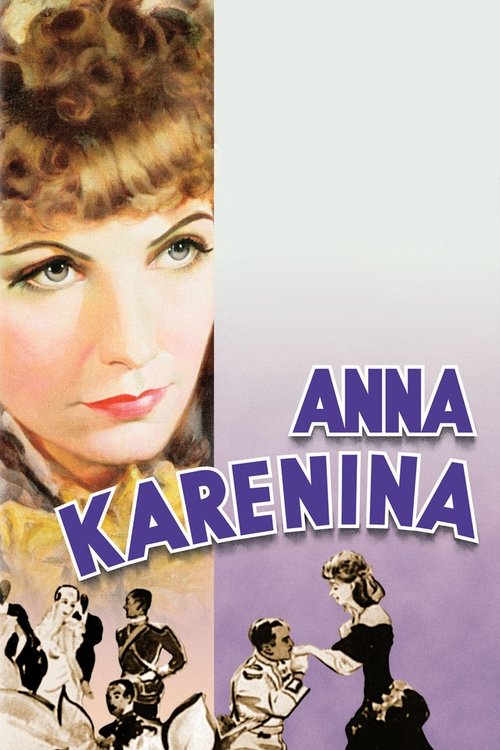
1935
No reviews yet. Be the first to share your thoughts on this movie!
Use the rating form above to leave a star rating and optional review.