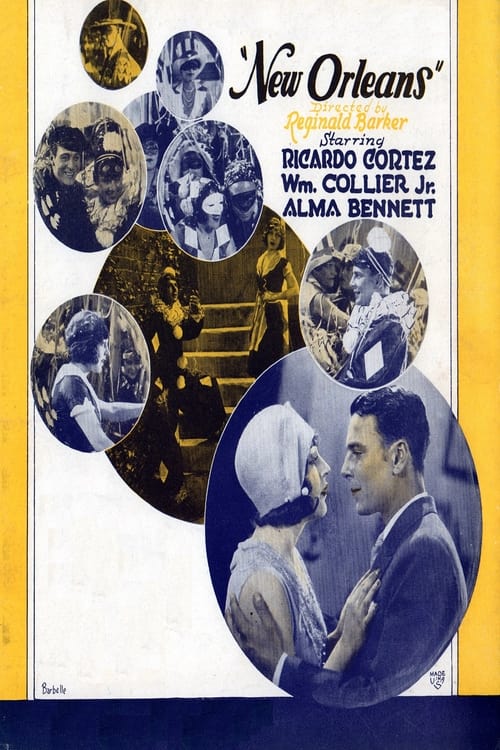
New Orleans
1929
No user ratings available yet
Representation score: 0.4 out of 10
Representation Score
Limited
1934
PassedDirector
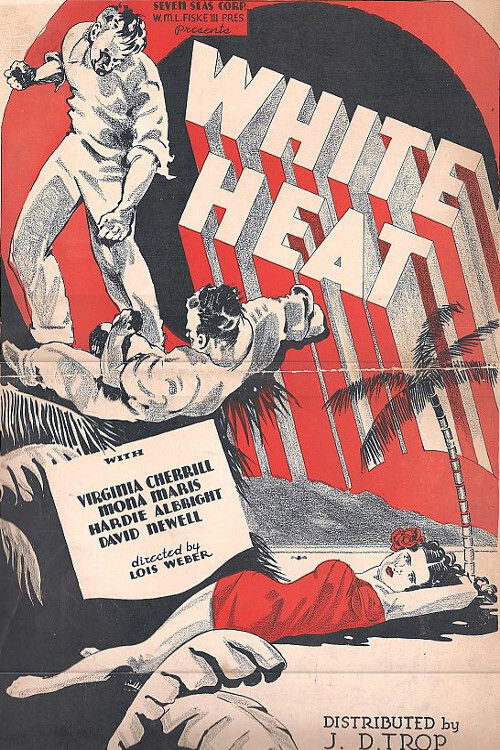
Lois Weber
Runtime
62 minutes
Average Rating
No ratings yetNew Showbiz Analysis
Lois Weber's melodrama explores the conflict between colonial economic structures and personal desires. The film stands out by allowing its female protagonist to exercise destructive ability to act, disrupting the plantation's social and economic order through a climactic act of arson. While the narrative employs traditional romantic clichés and ultimately restores a conventional romantic pairing, it avoids the era's typical domestic passivity. The setting highlights the clash between imported Western norms and local realities. Ultimately, the film's impact is limited by its reliance on colonial power dynamics and a lack of layered complexity, though it remains a notable study of women navigating restrictive social hierarchies.
Category Breakdown
The film focuses solely on heterosexual relationships and does not include any non-straight or non-cisgender identities or critiques of heterosexuality.
The narrative centers on the female protagonist's ability to drive the story and internal dissatisfaction. She challenges traditional submissive roles by using arson to resolve her personal issues.
Interracial relationships are explored through a Native American protagonist and a plantation manager. However, the Native American character primarily serves as a catalyst for the white characters' emotional development.
The story examines the tension between Western social dominance and the Hawaiian environment. It critiques the social conditioning of the Western woman through her inability to adapt to the local context.
There are no depictions of visible or invisible disabilities in this film.
Present on Screen
Limited or Absent
Official Synopsis
In this melodrama filmed on location in Hawaii, a sugar plantation manager finds himself falling in love with a native girl, but instead of committing to her, he marries a socially prominent young woman from San Francisco. The spoiled girl does not easily adapt to the rigors of plantation life and she gets terribly bored. She is just about to give in to the romantic overtures of a persistent native when her former lover shows up. The husband gets jealous and is about to attack him when the wife sets fire to the cane field. The husband's native lover saves him from death. Afterward, his wife leaves to be with her old flame, and the manager is free to be with the woman he's loved all along.
1929

1952

1933

1932
1934

1930

1952

1935
No reviews yet. Be the first to share your thoughts on this movie!
Use the rating form above to leave a star rating and optional review.