Zaza
1939
No user ratings available yet
Diversity score: 4.7 out of 10
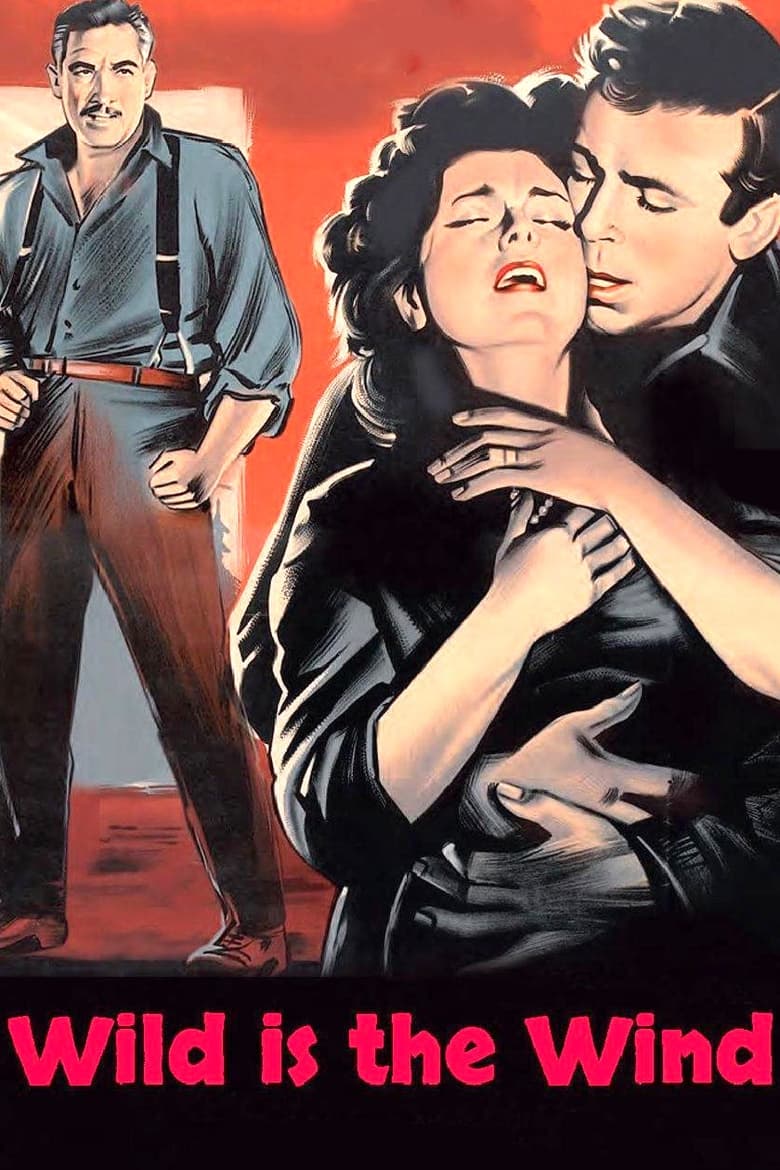
1957
NRDirector
George Cukor
Runtime
114 minutes
Average Rating
No ratings yetSynopsis
A widowed Nevada rancher goes to Italy and marries the sister of his deceased wife and brings her back to the ranch, but his haunting memories of his lost love and her tendency to drift away to other men cause the two to have a tough time at keeping a marriage together.
Overall Score
Limited
Category Breakdown
LGBTQ+ Representation
The film centers on a heteronormative romantic struggle. There is no evidence of non-cisnormative gender identities or same-sex intimacy within the primary character arcs.
Gender Representation
The film disrupts mid-century hierarchies through a female protagonist with significant emotional volatility and sexual agency. She challenges the 'nurturing wife' trope by prioritizing her own psychological needs over social decorum.
Racial & Ethnic Diversity
The cast is predominantly white and Anglo-Saxon within a Western setting. The narrative focuses on a homogeneous social environment, reflecting the era's cinematic constraints.
Religious & Cultural Diversity
The narrative utilizes moral relativism to explore grief and obsession. It prioritizes individual emotional reality and psychological instability over the preservation of traditional institutional stability.
Disability Representation
Profound psychological distress and grief serve as character drivers within the melodrama. There is no specific depiction of neurodivergence or characters with disabilities.
Strengths
Areas for Improvement
AI Analysis
Wild Is the Wind distinguishes itself from standard 1950s melodrama by subverting traditional gendered expectations of emotional restraint. The film's strength lies in its psychological depth, particularly through a female lead who possesses high agency and refuses to conform to domestic docility. However, the film remains limited by the era's social constraints. It lacks meaningful racial or LGBTQ+ diversity, focusing instead on a homogeneous, white ranching community in the American Southwest. Ultimately, the film functions as a sophisticated study of human passion. It trades conservative moral frameworks for a more subjective exploration of grief and the breakdown of social decorum.
1939

1949
1953
1955
1949
1953
1966
1954
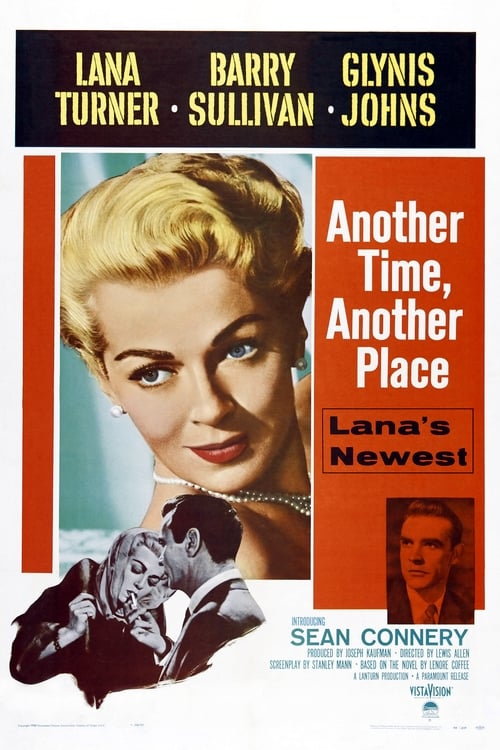
1958
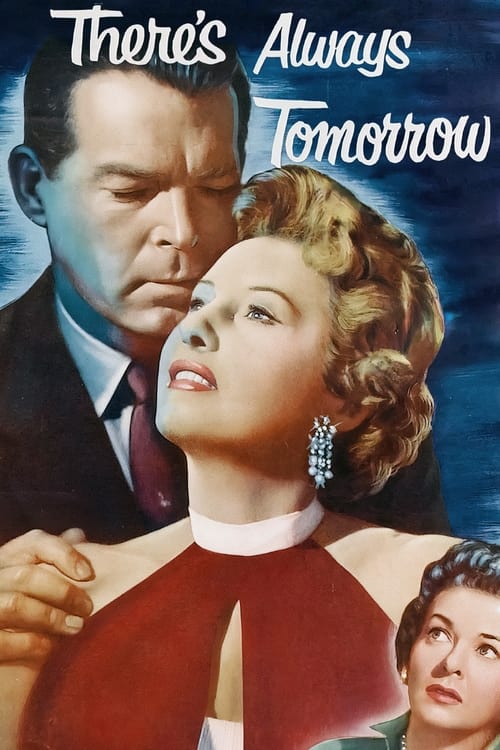
1956
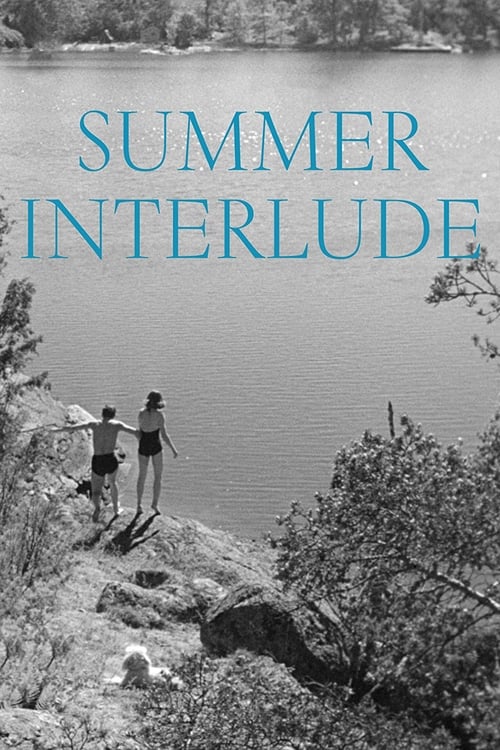
1951
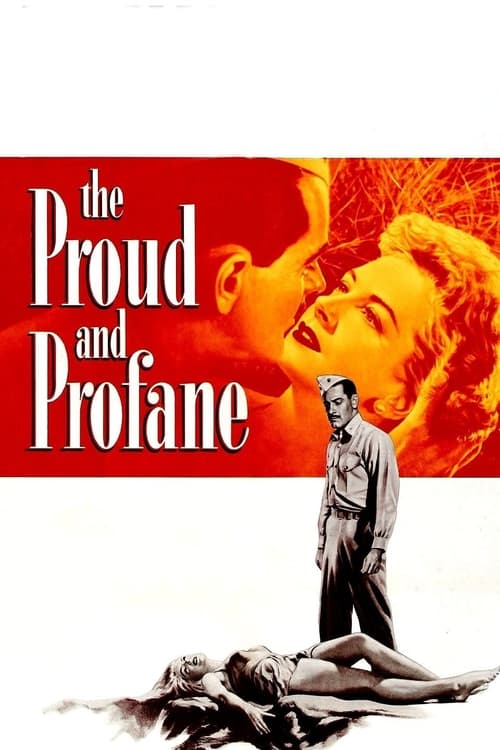
1956
No reviews yet. Be the first to share your thoughts on this movie!
Use the rating form above to leave a star rating and optional review.