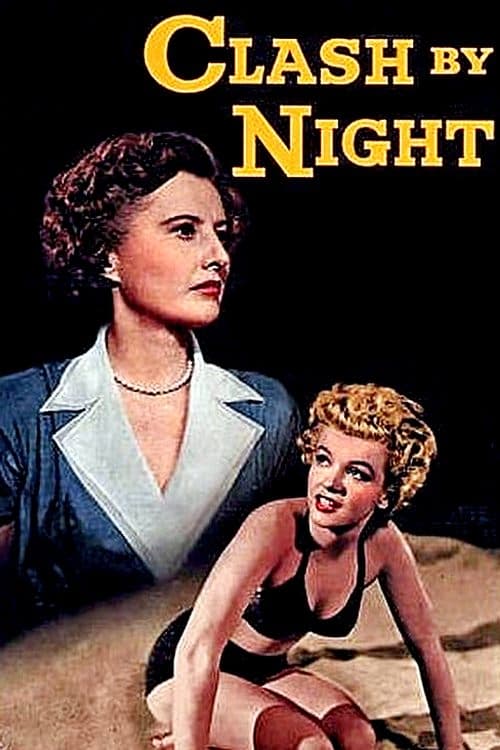
Clash by Night
1952
No user ratings available yet
Representation score: 2.1 out of 10

Representation Score
Limited
1955
NRDirector
Daniel Mann
Runtime
117 minutes
Average Rating
No ratings yetNew Showbiz Analysis
The film distinguishes itself by subverting traditional domestic hierarchies specific to the 1950s. By focusing on a strong, ethnically distinct female protagonist, it diverges from passive female archetypes common during that period. The film's emphasis on an Italian-American immigrant community offers a unique, non-homogenous perspective on mid-century life. This cultural specificity enriches the narrative by challenging the standard Hollywood norms of the time. However, the film's scope is limited to a specific socioeconomic and racial context, lacking broader multi-layered dynamics or representation of LGBTQ+ and disability-centric narratives.
Category Breakdown
The film does not include any LGBTQ+ characters or narratives. Romantic tension is solely focused on the heterosexual relationship between the widow and her suitor.
Serafina is portrayed as a powerful matriarchal figure who drives the emotional direction of the household. The story challenges mid-century stereotypes by emphasizing her personal desires over passive mourning.
The film focuses on an Italian-American immigrant community, avoiding the homogeneity typical of the era. Specific cultural customs add depth to the portrayal of a working-class setting.
The narrative examines the tension between rigid communal traditions and individual emotional authenticity. It portrays social honor and religious obligations as complex, burdensome structures for the protagonist.
There are no significant depictions of physical or neurodivergent disabilities central to the story.
Present on Screen
Limited or Absent
Official Synopsis
A grieving widow embarks on a new romance when she discovers her late husband had been cheating on her.
1952

1965

1943

1954
1957
1958

1953
1945
No reviews yet. Be the first to share your thoughts on this movie!
Use the rating form above to leave a star rating and optional review.