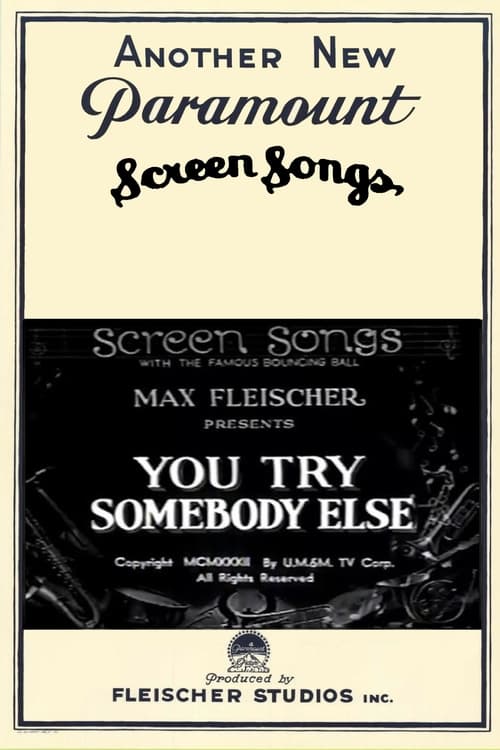
You Try Somebody Else
1932
No user ratings available yet
Representation score: 0.2 out of 10

Representation Score
Minimal
1936
ApprovedDirector
Dave Fleischer
Runtime
8 minutes
Average Rating
No ratings yetNew Showbiz Analysis
I Don't Want to Make History serves primarily as a technical showcase for Fleischer Studios, using the 'Screen Song' format to synchronize animation with musical performance. The content is driven by a parody newsreel and a rhythmic musical number rather than character-driven storytelling. Because the short is a product of 1936, it adheres to the homogeneous media landscape of its era. It lacks the narrative complexity or intentionality needed to address diverse identities or social hierarchies. Ultimately, the film functions as pure entertainment, prioritizing technical craftsmanship and musical synchronization over social or cultural representation.
Category Breakdown
The short focuses entirely on a musical performance by Vincent Lopez and His Orchestra. It contains no depictions of LGBTQ+ identities or same-sex intimacy.
Gendered dynamics are largely absent from the story. The animation relies on standard 1930s clichés without providing much character development or challenging traditional roles.
The production reflects the homogeneous casting standards of the mid-1930s. There is no evidence of diverse ethnic representation or race-bent casting within the newsreel parody.
This musical entertainment piece operates within traditional paradigms. It lacks engagement with systemic critiques, secularism, or the deconstruction of Western institutions.
There are no visible or invisible depictions of disability or neurodivergence. No characters are shown with ability to act regarding physical or mental health conditions.
Present on Screen
Limited or Absent
Official Synopsis
Fleischer Studios Screen Song. Vincent Lopez and His Orchestra play the title tune, sung by an uncredited crooner with castanets and a Bouncing Ball. Animated sequence: a parody newsreel at the New News Theatre.
1932
1931
1931
1933
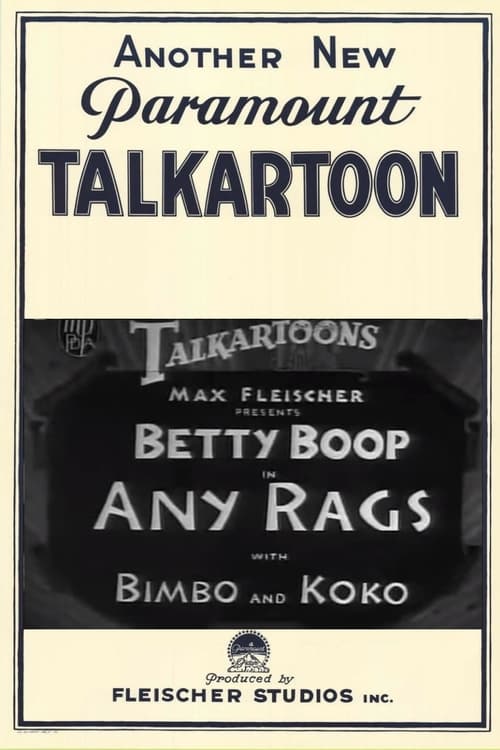
1932
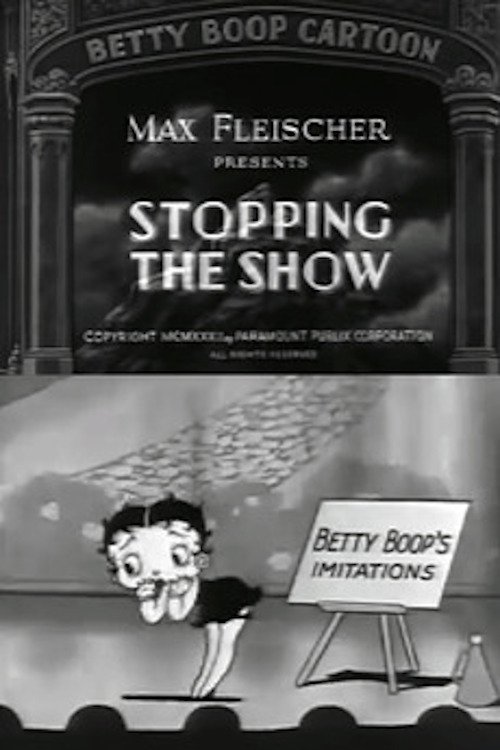
1932
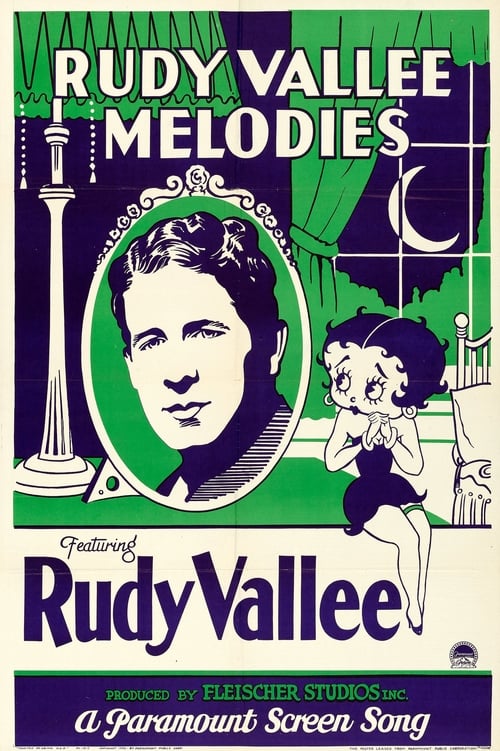
1932
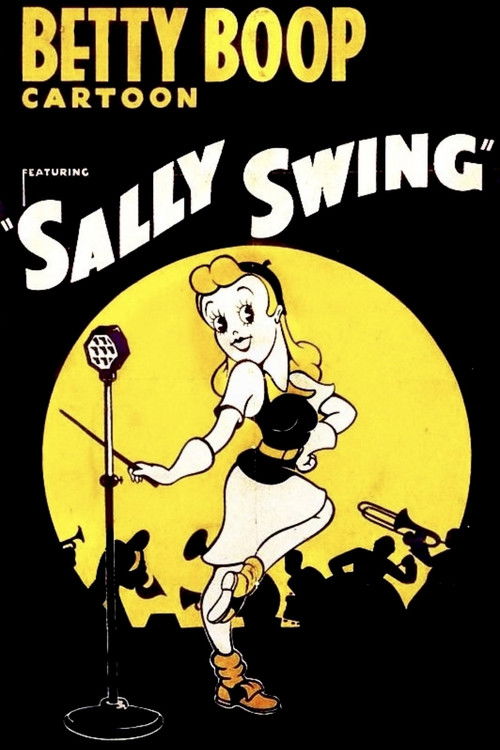
1938
No reviews yet. Be the first to share your thoughts on this movie!
Use the rating form above to leave a star rating and optional review.