Katnips of 1940
1934
No user ratings available yet
Diversity score: 1.2 out of 10
1935
ApprovedDirector
Sid Marcus, Arthur Davis
Runtime
7 minutes
Average Rating
No ratings yetSynopsis
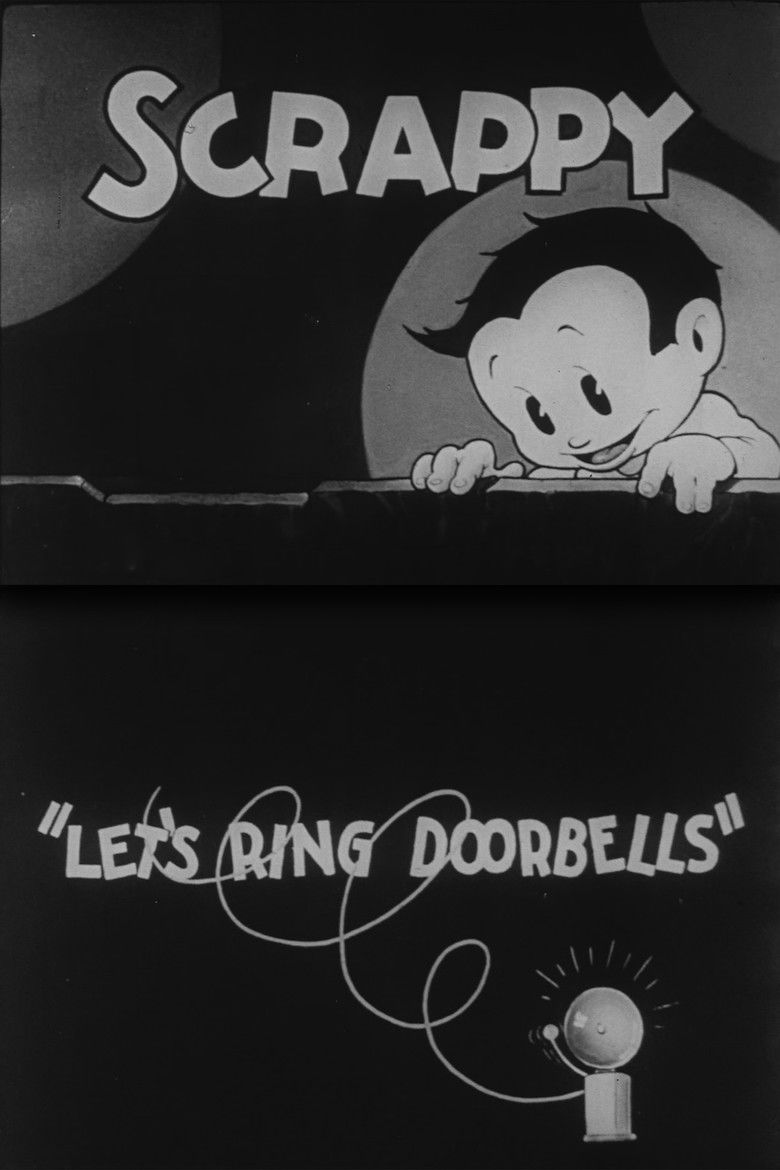
A Columbia Scrappy cartoon released November 7, 1935.
Overall Score
Minimal
Category Breakdown
LGBTQ+ Representation
There is no evidence of queer narratives or non-cisnormative identities. The film lacks any depiction of LGBTQ+ characters.
Gender Representation
The film reflects the traditional gender hierarchies common in 1930s animation. There is no evidence of female intellectual dominance or subverted masculinity.
Racial & Ethnic Diversity
The animation lacks documented characters of color with high agency. It appears to rely on the homogeneous archetypes typical of the era.
Religious & Cultural Diversity
The work reinforces traditional Western values and singular moral frameworks. It lacks anti-institutional or secularist themes.
Disability Representation
No characters with visible or invisible disabilities are identified. The film lacks nuanced portrayals of neurodivergence or physical disability.
Strengths
Areas for Improvement
AI Analysis
Let's Ring Doorbells is a product of its 1935 historical context, functioning as a standard Columbia Scrappy cartoon. It lacks the intentionality required to disrupt social hierarchies or provide intersectional representation. The film relies on the slapstick tropes and traditional social structures prevalent in 1930s animation. There is a notable absence of diverse character arcs or progressive narrative architecture. Ultimately, the short serves as a baseline example of early animation, offering little in the way of modern representation or character agency.
1934
1935
1933
1937
1935
1937
1943

1932
1948
1935
1935

1935
No reviews yet. Be the first to share your thoughts on this movie!
Use the rating form above to leave a star rating and optional review.