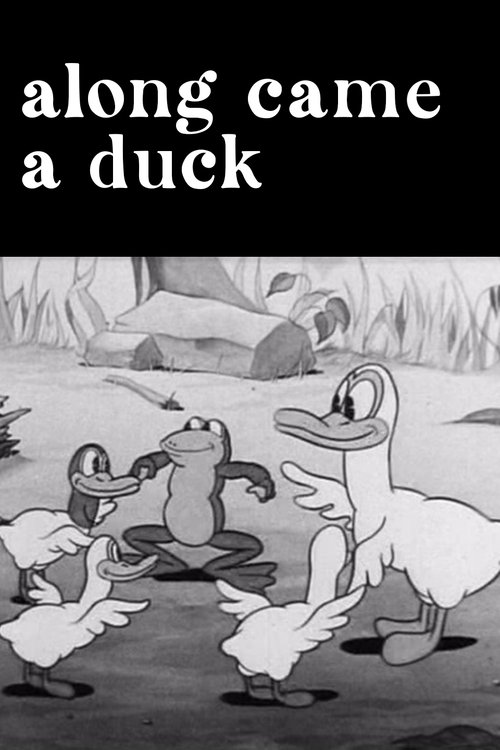
Along Came a Duck
1934
No user ratings available yet
Diversity score: 2.7 out of 10
1934
ApprovedDirector
Burt Gillett, Steve Muffati
Runtime
7 minutes
Average Rating
No ratings yetSynopsis
2nd Cartoon in the Rainbow Parade Series by Van Beuren.
Overall Score
Minimal
Category Breakdown
LGBTQ+ Representation
The film lacks any evidence of non-cisnormative gender identities. It adheres to the rigid social binaries typical of 1934 animation.
Gender Representation
Character arcs likely reinforce traditional gender roles. There is no indication of non-traditional masculinity or the subversion of domestic hierarchies.
Racial & Ethnic Diversity
The production likely utilizes homogeneous character designs common to the era. There is no visual confirmation of diverse ethnic metaphors or race-bent casting.
Religious & Cultural Diversity
The narrative focuses on slapstick comedy rather than deconstructing Western institutions. It functions within the bounds of conventional morality and established social orders.
Disability Representation
No characters with visible or invisible disabilities are documented as having agency. Physical impairments in this era often served as comedic devices.
Strengths
Areas for Improvement
AI Analysis
The Parrotville Fire Department is a product of its time, reflecting the systemic constraints of 1930s animation. The film lacks intentionality regarding progressive narrative interventions or the disruption of social hierarchies. Without specific character data or a verified synopsis, the film appears to rely on the standard, non-diverse modeling prevalent in Van Beuren Studios' output. It functions as a conventional musical short rather than a tool for social representation. Ultimately, the work provides no evidence of diverse identities, instead favoring the homogeneous and traditional structures of the mid-1930s.
1934
1935
1929

1936
1937
1930
1933
1935
1931
1941
1933

1932
No reviews yet. Be the first to share your thoughts on this movie!
Use the rating form above to leave a star rating and optional review.