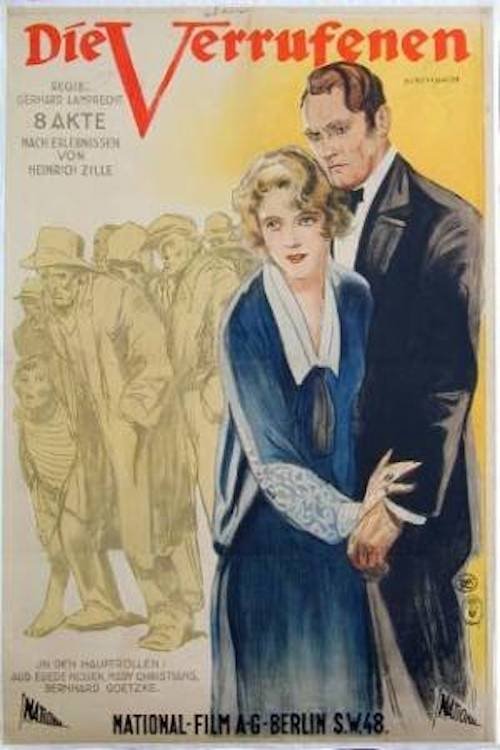
In the Slums of Berlin
1925
No user ratings available yet
Representation score: 5.6 out of 10
Representation Score
Fair
1926
Director
Gerhard Lamprecht
Runtime
96 minutes
Average Rating
No ratings yetNew Showbiz Analysis
Gerhard Lamprecht’s drama serves as a powerful social critique of systemic neglect in Weimar-era Berlin. It highlights the resilience of disenfranchised children abandoned by traditional societal pillars. The film stands out by challenging conventional middle-class views of morality and family sanctity. However, it lacks diversity in terms of sexual orientation and ethnic representation, reflecting the demographic realities of its historical setting.
Category Breakdown
The film does not include any documented LGBTQ+ characters or stories focused on non-straight identities. Instead, it centers on socioeconomic struggles in Berlin during the Weimar Republic era.
The characters are shown as resourceful individuals navigating the foster care system. This portrayal suggests a departure from traditional domestic roles due to the lack of stable family structures.
Set in the slums of 1920s Berlin, the film likely reflects the homogeneous demographics of the time. There is no indication of significant ethnic diversity among the cast.
The narrative criticizes established social institutions and the traditional family structure. It portrays the urban poor as resilient survivors rather than passive victims.
The film does not provide specific details about characters with disabilities. While poverty can have physical consequences, it is unclear whether disabled characters play a significant role in driving the story.
Present on Screen
Limited or Absent
Official Synopsis
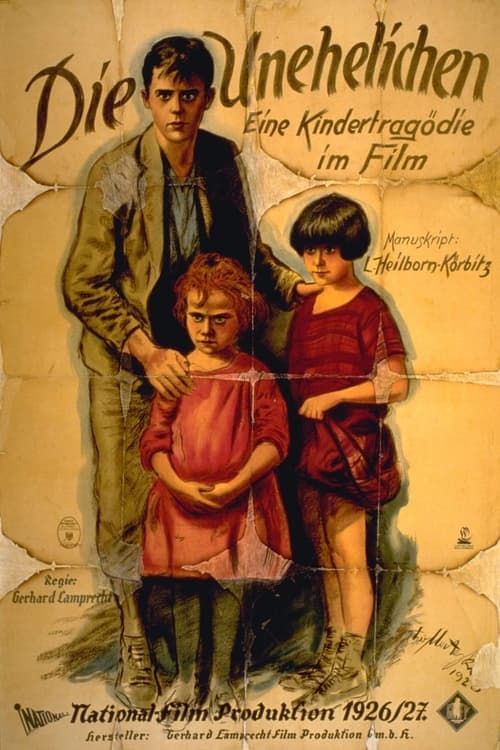
If watching a fellow facing indifference/rejection in the slums of Berlin didn't convey enough pathos, Gerhard Lamprecht gathered much of the same crew from Die Verrufenen and turned his attention to the city's population of unwanted children for the heart-tugging Die Unehelichen, released the following year. The trio of foster children at the center of Die Verrufenen are survivors who use their own resourcefulness to get by when the kids' guardians and the system itself let them down.
1925

1929

1941

1948
1929

2002
1939
1937
No reviews yet. Be the first to share your thoughts on this movie!
Use the rating form above to leave a star rating and optional review.